If you have been fitting solar for a few years, you have a list of homeowners with panels and no battery. Many of them said no to a battery at the time because of the price. Some were never offered one. They know your name, they have your kit on their roof, and most of them have not heard from you since the handover.
The Warm Homes loan gives you a genuine reason to get back in touch. Standalone batteries, and batteries added to existing panels, are eligible measures. That is new information for a past customer, not a sales gimmick. This post covers what you can include in a retrofit offer under the scheme, how to message it honestly, and how to run the campaign without burning the goodwill you have built.
For the general retrofit campaign (ads, landing pages, homes with other installers' panels), see battery retrofit campaigns. This piece is about the scheme angle and your own customer list.
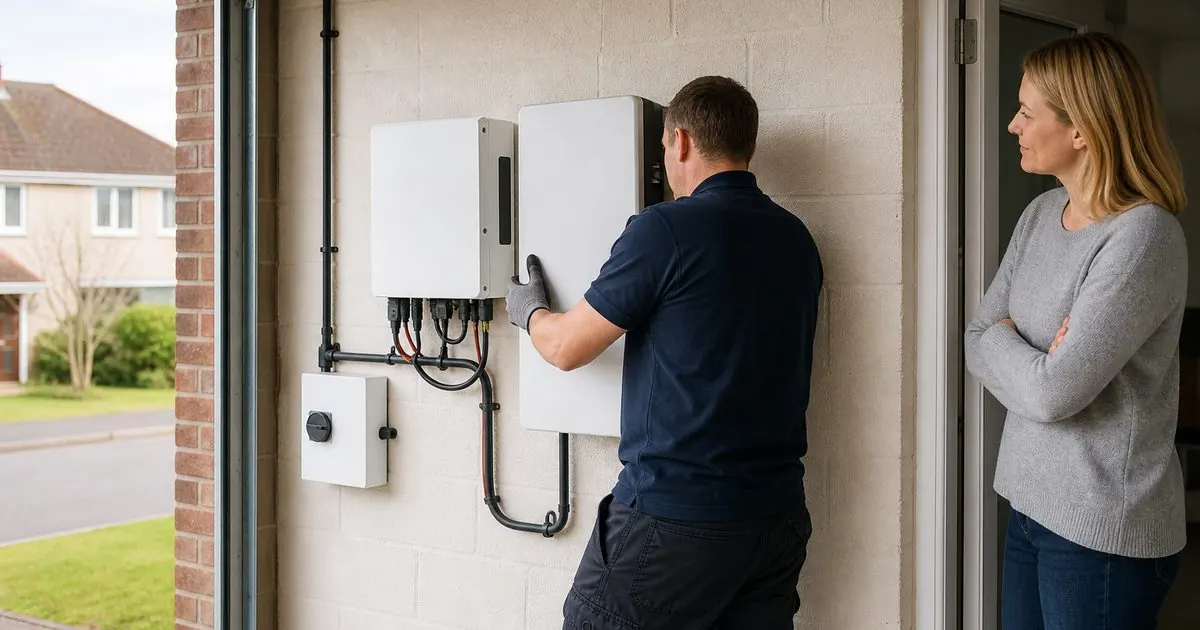
What a retrofit job can include
As of November 2026, the Warm Homes Loan Scheme rules say:
- Batteries are eligible standalone or paired with solar, with a loan cap of £15,000 for the battery.
- A battery quote can include ancillary work, such as integration with the existing PV system, monitoring apps or control systems, and isolators, breakers or protection devices.
- Adding panels to an existing system counts as solar PV, which has its own cap of £15,000.
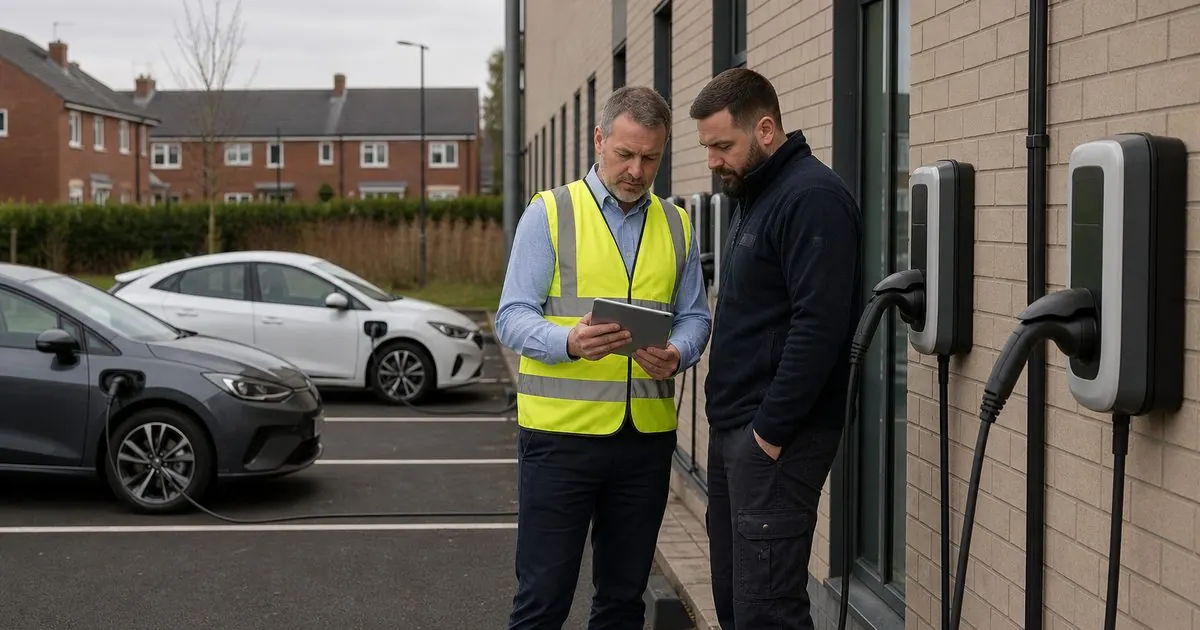
- An EV charger can be included as an ancillary cost of a solar or battery install (not on its own), as long as the chargepoint and installer are OZEV approved and the charger has not already had a grant.
- The installer must be MCS-certified for the measure, and the homeowner applies to a participating lender (directly, through an installer arranging finance, or through their mortgage provider) and passes its checks.
That opens up an upgrade offer that is bigger than "add a battery": battery, a few extra panels on an unused roof face, and a charger for the EV they bought since you last saw them, on one quote, with each measure inside its cap.
And the market is real. The government's Warm Homes Plan notes that MCS accredited the installation of over 18,000 batteries in existing homes in 2024.
Who to contact first
Not every past customer is the same. Pull your list and sort it before anyone sends a message:
- Declined a battery at the time. They wanted one but not at that price. Lead with the finance option.
- Installed before batteries were common. Probably never offered one. Lead with what has changed: battery prices, time-of-use tariffs, and the loan.
- Bought an EV since. If you know, or a quick question reveals it, lead with the battery and charger together.
- System size and inverter. Some systems will need an AC-coupled battery or an inverter change. Your surveyor should know which before the call, so the message can be specific.
Before you send anything, check you have permission to market to these customers. Look at what your privacy notice and contract said when they bought, and what consent you recorded. If you're not sure, get advice first. A message to a customer who opted out does more harm than no message.
What to say, and what not to
The scheme is the hook, not the promise. Keep it factual:
A first WhatsApp message (example): "Hi Sarah, it's Dan from [your company name]. We fitted your panels back in 2022. Quick one: batteries added to existing panels can now be paid for with a Warm Homes loan from lenders taking part in the government scheme. Rates and approval are up to the lender. If you'd like, we can look at your system data and tell you honestly whether a battery makes sense for you. Just reply 'yes' and we'll book a quick call."
What to avoid:
- "Government-funded battery" or "free battery". It is a loan, and the customer repays it.
- Monthly payment figures, unless your finance partner has supplied them in an approved format. See how to advertise the Warm Homes Plan without breaking finance rules.
- Savings promises. The GOV.UK factsheet's "up to £550 a year" figure is for a heat pump, battery and solar together, not a battery on its own. Do the sums for their house instead.
- Implying they must act now because the scheme is closing. It isn't.
There is one real date. HMRC says retrofit and standalone batteries are zero-rated for VAT while the zero rate lasts, and the zero rate for energy-saving installations in homes ends on 31 March 2027, going to 5% from 1 April. It's fine to mention that once, factually.
The sequence
- Message 1 (WhatsApp, or email if that's what you have): the note above, personal and short.
- Day 3: a 45 second video of your team fitting a battery on a similar house, ideally one of your own past customers.
- Day 7: a short case study: a customer's generation and usage before and after a battery, with their permission.
- Day 14: a last check-in. "Shall we take a look at your data, or leave it for now?"
- Replies: answered in seconds, with the check booked straight into a surveyor's diary.
Our WhatsApp AI handles the first replies, answers questions about the scheme using wording you've approved, and books the check, day or night. Leads who don't reply go into a slower nurture track run by our AI follow-up rather than being forgotten. The wider principles of working old enquiries are in reviving old leads with AI follow-up.
The survey and the quote
A retrofit survey should confirm:
- Existing system details, from your own records or the original MCS certificate if another installer fitted it.
- Inverter compatibility, and whether the battery will be AC or DC coupled.
- Consumer unit and space for protection devices.
- Roof space for extra panels, and roof condition (roof repairs are not fundable).
- EV ownership, and whether a charger has already been grant-funded.
- Payment preference: cash, Warm Homes loan, or a mix.
Then quote each measure as a separate itemised section, with system sizes in kW and kWh. Lenders need an itemised breakdown, your MCS number and the system size, and separate sections make it easy to see each measure sits inside its cap.
Measure it like a campaign
Track replies, checks booked, quotes sent and jobs won from the reactivation, separately from your paid ads. In most businesses, this list produces jobs at a far lower cost than cold traffic, because the trust is already there. If you can see that in the numbers, you'll keep doing it every year instead of once.
Want us to run it?
We build reactivation campaigns as part of the system we install for solar and battery installers: segmented lists, personal WhatsApp sequences, AI replies and booking, and reporting on every job won. If you've got a few hundred past solar customers and no battery offer in front of them, book a video call with Tom.
Sources
- GOV.UK: Warm Homes Loan Scheme rules, September 2026 (PDF)
- GOV.UK: Warm Homes Loan Scheme factsheet (27 October 2026)
- GOV.UK: Warm Homes loan eligibility
- GOV.UK: Warm Homes loan: how to apply
- GOV.UK: Warm Homes Plan
- GOV.UK: VAT on energy-saving materials and heating equipment (VAT Notice 708/6)
Questions owners ask
Can a Warm Homes loan pay for a battery added to existing solar panels?
Yes. The scheme rules list electrical battery storage as eligible, both standalone and paired with solar PV, up to a £15,000 cap. A retrofit quote can include integration with the existing PV system, monitoring setup and protection devices. The battery must be installed by an MCS-certified installer, and the customer must pass the lender's checks.
Can the loan also cover extra panels and an EV charger?
The rules list new roof-top solar panels, including adding panels to an existing installation, as eligible, with its own £15,000 cap. An EV charger can be included as an ancillary cost of a solar or battery install, if the installer and chargepoint are OZEV approved. It cannot be funded on its own.
Is VAT still 0% on a retrofit battery?
As of November 2026, HMRC's VAT Notice 708/6 says batteries retrofitted to existing solar panels, and standalone batteries, have qualified for the temporary zero rate since 1 February 2024. Energy-saving installations in homes are zero-rated until 31 March 2027 and revert to 5% from 1 April 2027.