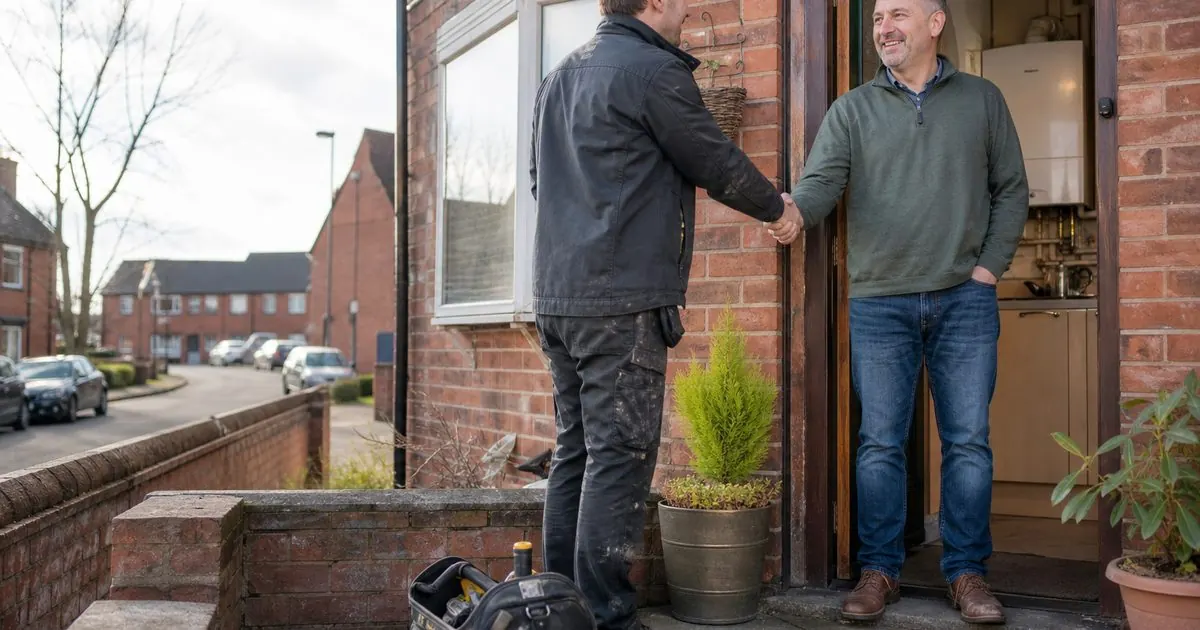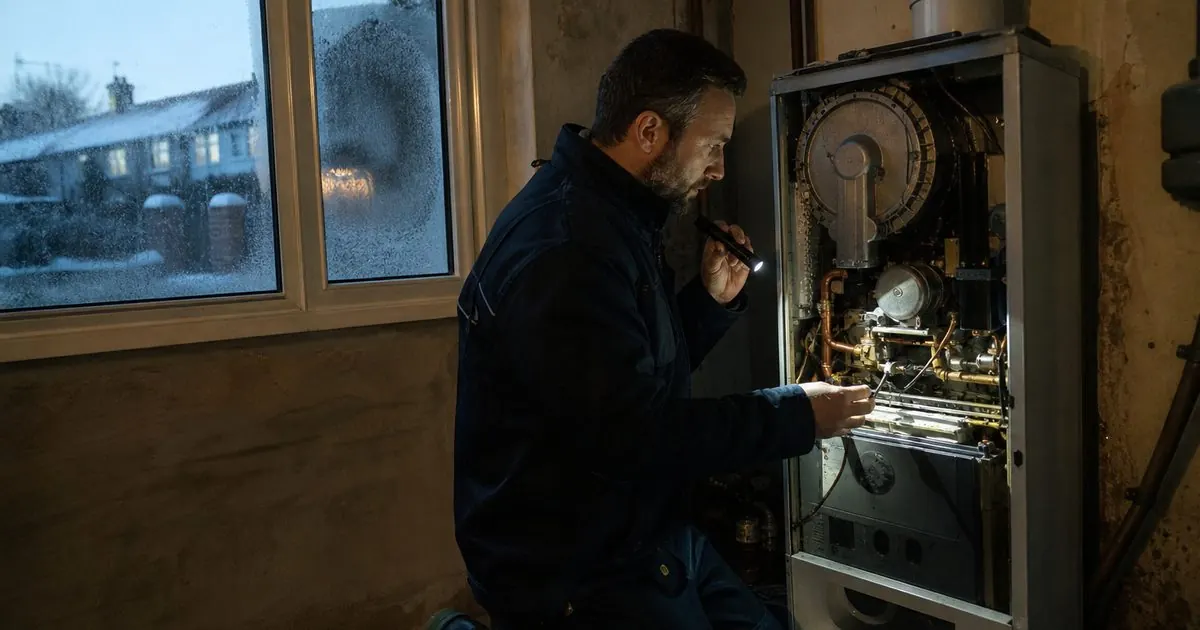
From October to February your phone does not stop. Lockouts, leaking diverter valves, failed fans, pressure that will not hold. You fix it, take payment and move on to the next one. Then in March, a different firm fits a new boiler in that same house, because the customer remembered the hassle, not your name.
Repair calls on old boilers are the warmest replacement leads you will ever get. The homeowner has just had a breakdown, you are standing in their house, and you know the boiler better than anyone. This guide is a simple system for turning those visits into replacement work without becoming the engineer who upsells on every job.
Why engineers do not sell on repair calls
It is rarely laziness. The usual reasons are:
- The diary is rammed and the next call is waiting.
- It feels pushy to mention a new boiler to someone who just paid for a repair.
- The engineer means to send a quote later, then forgets.
- Nobody in the office knows which repair jobs were on old or failing boilers.
All four are fixed with process, not with sales training.
Step 1: capture the boiler on every call
Add a short, mandatory section to your job sheet or app. It should take under a minute.
- Make and model
- Approximate age (from the serial number, data badge or the customer's paperwork)
- Fault found and parts fitted
- Parts availability: easy, slow, or obsolete
- Overall condition: good, fair or poor, with a one-line note
- A photo of the data badge and the boiler with the casing off
- Whether the customer mentioned cost, noise, hot water or bills
That is the raw material. Without it, nobody can follow up properly.
Step 2: tag replacement candidates in your CRM
Set clear rules so tagging does not depend on the engineer's mood. For example, tag the job "replacement candidate" if any of these is true:
- The boiler is older than an age you choose (many firms pick somewhere between 10 and 15 years).
- This is the second breakdown in 12 months.
- Parts are obsolete or slow to source.
- The engineer rated the condition as poor.
Never treat a safety issue as a sales opportunity. If you find an unsafe situation, follow the Gas Safe procedures first. Any replacement conversation comes after the customer and home are safe, and it should be in writing.
Step 3: send an honest report the same day
Within a few hours of the visit, the customer gets a short report by email or WhatsApp. Keep it plain:
We replaced the fan on your boiler today and it is working normally. The boiler is around 14 years old and parts for this model are getting harder to find. It should keep going for now, but we would suggest budgeting for a replacement in the next year or two. If you would like prices, there are three options below.
Then show three replacement options with prices or ranges, what is included and a button to book a survey. If you have an instant online quote tool, link to it with their answers already filled in.
The report does the selling for you. The engineer only has to say, at the door, "I'll send you a report tonight with what I found."
Step 4: automate the follow-up
This is where the CRM earns its keep. A typical sequence for a tagged repair customer:
| When | What they receive |
|---|---|
| Same day | The report and the three options |
| Day 3 | A 60-second video from the engineer explaining the options |
| Day 14 | A check-in: "Is the boiler behaving? Any questions on the options?" |
| First cold snap | A reminder that you have install slots before the next breakdown |
| Spring | Your quiet-season offer, for example a fixed install date or a free system cleanse with any new boiler |
| Any new breakdown | An immediate message with the options again, and a priority slot |
Make the sequence stop the moment they reply or book. Nothing kills trust like an automated "still thinking about it?" after someone has already said yes.
A good offer to include: repair cost credited against a new boiler if they go ahead within a set number of weeks. It removes the "I've just paid you" objection and costs you little, because you are fitting the boiler anyway.
Step 5: handle the "no heat, fit it now" customer properly
Some repair calls end with the customer saying "just replace it". That is good news, but do it properly.
When a contract is agreed in the customer's home, they normally have a 14-day cooling-off period. Citizens Advice explains that if the trader does not give cancellation information, the period can be extended by up to a year. So:
- Give clear written cancellation information every time.
- If they want you to start inside the cooling-off period because they have no heating, get that request in writing.
- Keep your paperwork tidy. Your terms should be checked by someone qualified.
Doing this right protects you and shows the customer you are not one of the cowboys they have read about.
Step 6: use the quiet season
Spring and summer are when your repair list pays off. Your diary has gaps, and your CRM has every tagged boiler from the winter. Run campaigns to that list:
- A WhatsApp or text to everyone tagged, with a summer install offer.
- Facebook and Instagram ads shown only to that customer list, featuring your engineers and real installs.
- A letter or card for older customers who do not use WhatsApp.
This is the same thinking as our piece on getting more from past customers, applied to the specific moment of a breakdown. For managing the wider winter peak and summer dip, see feast or famine.
What to measure
Keep it simple. Each month, look at:
- Repair calls on boilers you tagged as replacement candidates
- Reports sent within 24 hours
- Replacement quotes viewed or surveys booked
- Replacements won from the tagged list
If reports are not going out, the problem is the job sheet. If reports go out but nobody books, look at your options and prices. If surveys book but do not convert, look at the quote follow-up.
Where we fit
We set up this exact flow for heating firms inside Installer Flow, our CRM: the job data, the tags, the report, the automated follow-up and the quiet-season campaigns. Then we report on how many replacements came from your repair book. More on our work with heating businesses is on the boilers and heating page.
If you want to see how your repair calls could feed your install diary, book a video call and we will show you.
Sources
- Citizens Advice: cancelling building or home improvement work
- Gas Safe Register
- Planning Portal: Building Regulations for boilers and heating
Questions owners ask
Is it pushy to talk about replacement on a repair call?
Not if you report facts and leave the decision with the customer. Tell them what you fixed, the condition of the boiler, whether parts are getting hard to find and roughly when they should budget for a replacement. Then send it in writing. Most people would rather hear it from you than find out in January.
Can I start a boiler replacement straight away if the customer signs at home?
Contracts agreed in the customer's home usually carry a 14-day cooling-off period. If they have no heating and want you to start sooner, get their request to start during the cooling-off period in writing. Check the current rules and take legal advice on your terms if unsure.