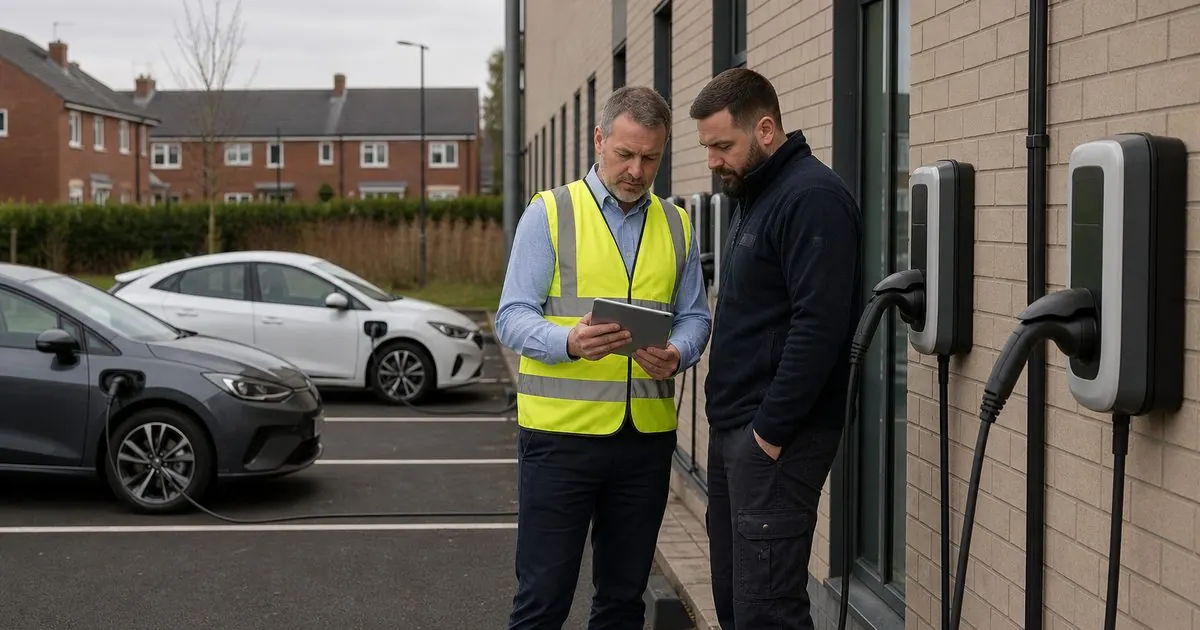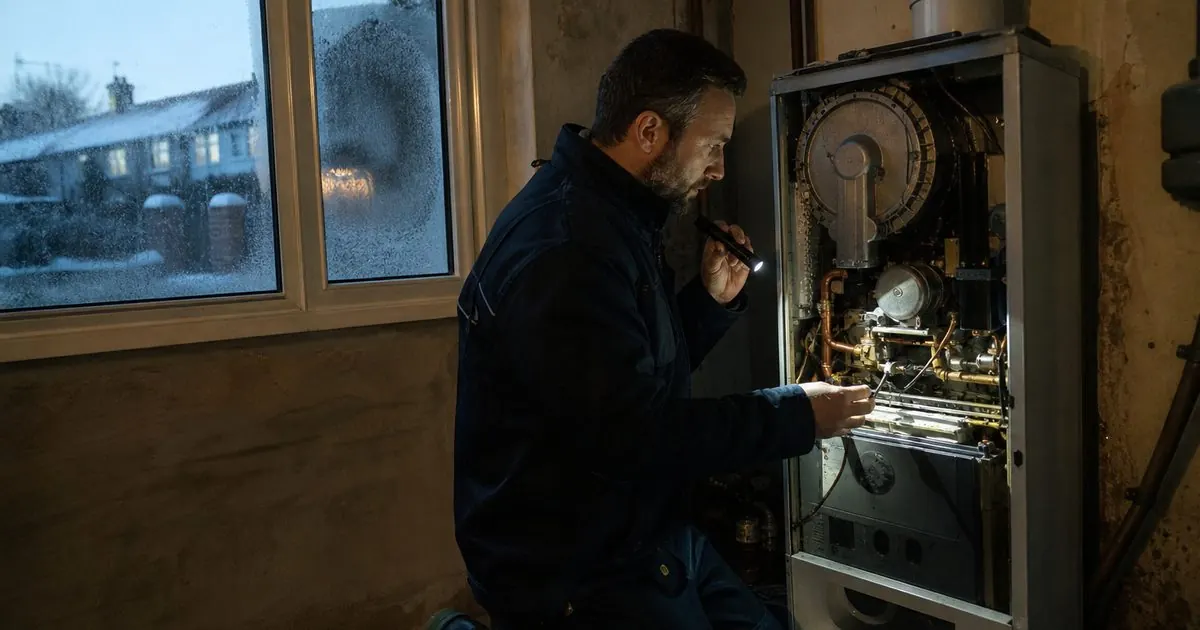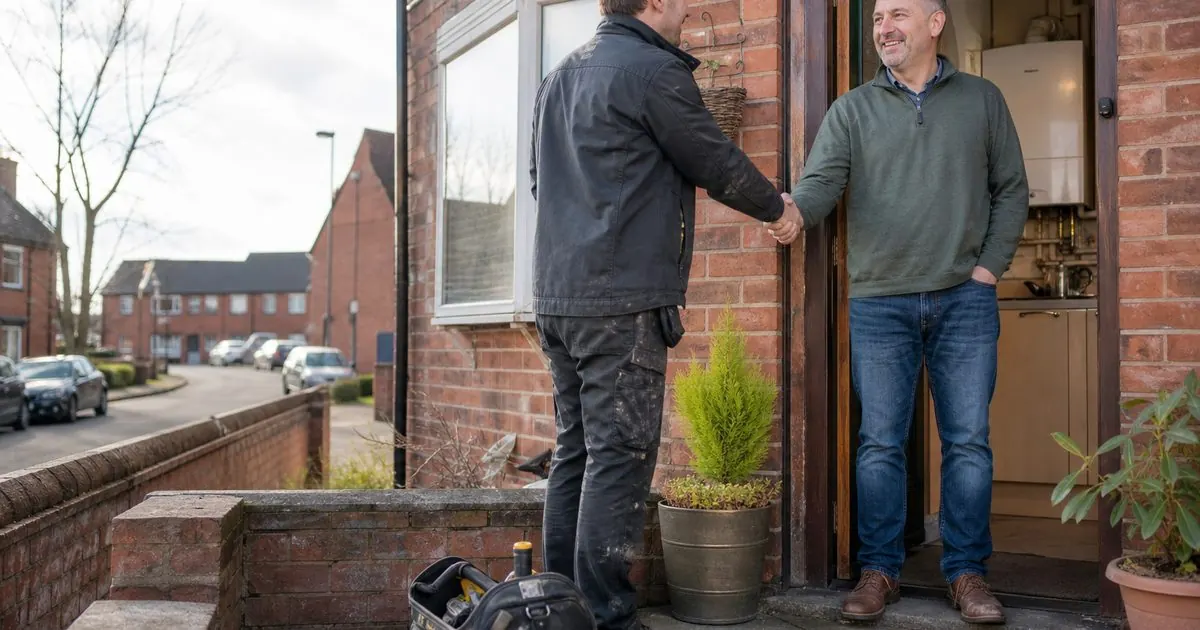
Most installers spend heavily to win a new customer, do a good job, take payment, and never speak to that customer again. That is the most expensive habit in the trades. A happy past customer already trusts you, already has your number, and knows people who need the same work. They are the cheapest source of new jobs you will ever have.
This article sets out a simple after-the-job system with three parts: reviews, referrals and repeat work, all run from your CRM so it happens on every job, not just when someone remembers.
Why past customers beat new leads
- No ad spend to reach them. You already have their details.
- Trust is already earned. No need to prove you are not a cowboy.
- Referred customers arrive warm. A neighbour's recommendation does more than any ad.
- Repeat work is often higher margin. Service visits, upgrades and add-ons with little sales effort.
The problem is never the idea. It is consistency. On a busy week, nobody asks for the review, the referral or the service booking. So build it into the system.
Part 1: Reviews on every job
Reviews are the first thing new customers check. Volume and recency both matter: twelve reviews from 2021 say less than eighty from the last two years.
The method is boring and it works: ask every customer, on every job, the same way. Creativ UK, one of our clients, grew their reviews from 37 to 211, with a 4.7 average, simply by asking every customer on every job.
How to set it up
- Trigger it from the CRM when a job is marked complete.
- Send a short personal message by text or WhatsApp with a direct link to your Google review page. Use the fitter's name: "Thanks for having Dave round today."
- Send one reminder a few days later if they have not left one.
- Reply to every review, good or bad, within a few days.
Stay inside the rules
- No incentives for reviews. Google's policy bans offering payment, discounts or free goods or services in exchange for reviews. UK consumer law, under the Digital Markets, Competition and Consumers Act 2024, has banned fake reviews and concealed incentivised reviews since 6 April 2025.
- No cherry-picking. Google also bans selectively asking only happy customers for reviews, or discouraging negative ones. Ask everyone.
- No staff targets for specific wording. Asking staff to get reviews that mention particular phrases is against Google's policy.
Handle unhappy customers by fixing the problem, not by keeping them away from the review link. For what to prompt customers to mention, and how reviews help you show up in local search, see reviews that rank.
Part 2: Referrals
A referral system is just three things done every time: ask, make it easy, say thank you.
- Ask at the right moment. At handover, when the job is finished and working. Or straight after they leave a good review.
- Make it easy. Send a short message they can forward, with your link and a line about what you do. Many people would happily recommend you but do not know what to say.
- Thank them properly. A handwritten card, a voucher or a donation to a local charity when a referral goes ahead. A reward for introducing a new customer is a different thing from paying for a review. Keep them separate.
- Track referrals as a source in your CRM, with the referrer's name, so you know who your best advocates are.
A note on rules for messaging past customers: under the UK's electronic marketing rules, the ICO explains a "soft opt-in" that can let you email or text your own customers about similar products or services without fresh consent, as long as you gave them a clear chance to opt out when you collected their details and in every message after. Keep a suppression list and honour opt-outs immediately.
Part 3: Repeat work and aftercare
Most trades have a natural next job. Map yours, then set the CRM to prompt it at the right time.
| Trade | Natural repeat work | When to prompt |
|---|---|---|
| Boilers and heating | Annual service, then replacement | 11 months after install, then yearly |
| Air conditioning | Annual maintenance, extra units | 12 months, and before summer |
| Solar | Battery retrofit, EV charger, panel cleaning | 6 to 18 months after install |
| Windows and doors | Composite door, other elevations | 12 months |
| Roofing | Gutter clean, fascias, inspection | After winter storms |
Example: boiler service customers
Annual service customers are the most overlooked sales list in heating. They are often forgotten until their old boiler breaks down in January and they ring whoever answers first. Instead:
- Send automatic service reminders a month before the anniversary, with online booking.
- Record the boiler make, model and age on the customer record.
- When a boiler passes a certain age, or the engineer notes a fault, trigger a replacement conversation: a short message with options and finance, not a hard sell.
- After every service, send the review request.
That turns a low-margin service book into a pipeline of replacement sales. Our boilers and heating page covers the rest of the heating funnel.
Example: air conditioning installs
Air conditioning installers often fit a system and never hear from the customer again. Yet systems benefit from regular maintenance, and happy customers often want a second unit in another room once they have felt the first.
- Offer a maintenance plan at handover and log who takes it.
- Send a reminder before summer, when people switch their units on and notice problems.
- After a hot spell, message past customers about adding a unit to the bedroom or home office.
See our air conditioning page for how new-customer campaigns for air con are built.
Put it on autopilot
The whole system above runs from a CRM with simple automations:
- Job complete: review request, then reminder
- Good review received: referral ask
- Install anniversary: service reminder
- Equipment age or engineer note: upgrade or replacement offer
- No contact for 12 months: a useful check-in
Our AI follow-up and automation handles these messages, and Installer Flow keeps the records that trigger them. For old enquiries that never became customers, which is a different list with a different approach, see reviving old leads with AI follow-up.
Start with one
Pick the part that would make the biggest difference this month, probably reviews, and switch it on for every job from Monday. Add referrals next month, then repeat work. If you want the full system set up in one go, book a call and we will map it to your trade.
Sources
- Google Maps: Prohibited and restricted content (fake engagement)
- CMA: Fake reviews guidance (CMA208)
- ICO: Electronic mail marketing
Questions owners ask
Can I offer a discount for a Google review?
No. Google's policy bans offering incentives such as payment, discounts or free services in exchange for reviews, and UK consumer law bans concealed incentivised reviews. Ask every customer for an honest review with no reward. Referral rewards for introducing a new customer are a separate thing and can be fine.
Can I email past customers about new services without consent?
Often yes, under the soft opt-in in the UK's electronic marketing rules, if you got their details during a sale, the marketing is about similar products or services, and you gave them a clear chance to opt out at the time and in every message. Check the ICO's guidance for the exact conditions.
When is the best time to ask for a referral?
When the customer is happiest: usually at handover, once the job is finished and working, or when they leave a good review. Ask simply, make it easy to pass on your details, and follow up a few weeks later when they have had time to tell friends and family.