Loft insulation is the job most homeowners understand, the one they are most willing to say yes to, and the one with the least money in it. If you run ads for loft insulation and judge each job on its own, the numbers often look grim. By the time you have paid for the enquiry, the survey visit and the materials, there is not much left.
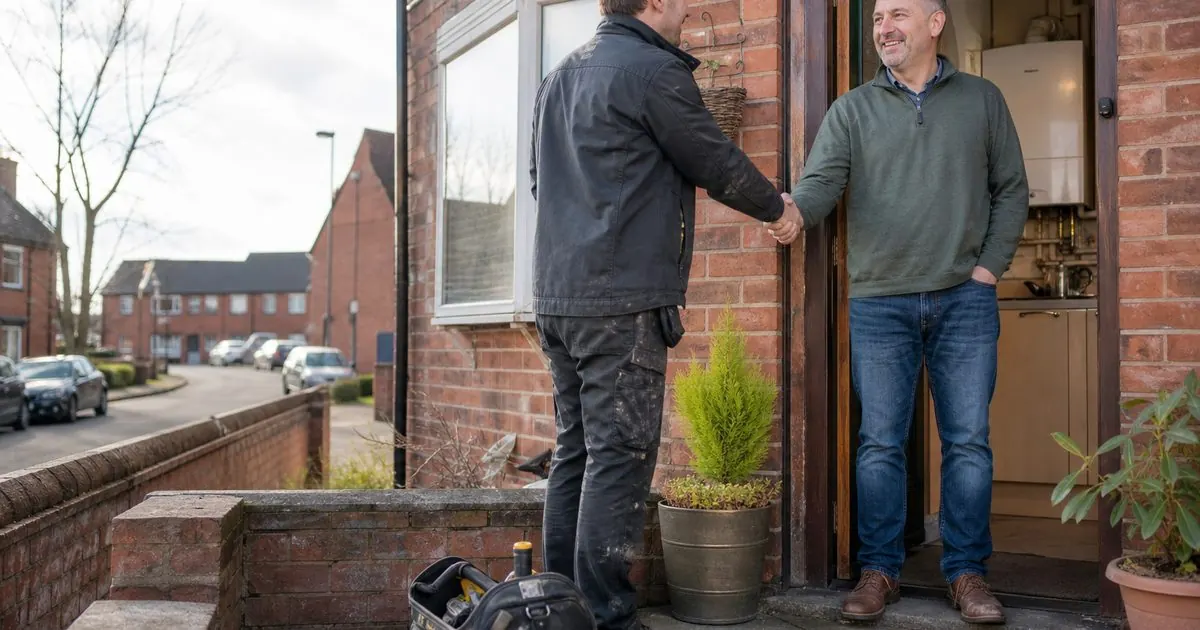
The firms that make loft insulation pay do not treat it as a product. They treat it as the way in: a low-cost, low-risk first job that gets them into the home, earns trust and leads to the bigger work later. This guide shows how to set that up.
Do the maths honestly first
Here is a simple example. Swap in your own figures.
| Example figures | Value |
|---|---|
| Average margin on a loft top-up | £300 |
| Cost per enquiry from ads | £25 |
| Enquiries needed per job won | 4 |
| Acquisition cost per job | £100 |
| Margin left after acquisition | £200 |
That might be fine, or it might not, depending on travel and labour. Now add one bigger job, such as a cavity fill or a referral to a solar or heat pump partner, for one in every five loft customers within two years. The value of each loft customer changes completely, and you can afford to spend more to win them.
So the real question is not "what does a loft job make?" It is "what does a loft customer make over the next three years?"
Make the loft visit a whole-home survey
You are already in the house. Use it. Build a short checklist that every installer completes on every loft job:
In the loft:
- Existing insulation depth before and after (with photos)
- Roof underlay condition, daylight through tiles, damp on timbers
- Ventilation at the eaves
- Water tanks and pipework lagging
- Wiring condition and any downlights poking through
Outside and around the house:
- Wall type: cavity, solid, or not sure
- Signs of cavity fill (drill holes), and whether it looks recent
- Window age and condition
- Roof orientation and shading, for solar suitability
- Boiler or heating system age, if the customer mentions it
From the customer (two or three quick questions):
- Which rooms are coldest?
- Any damp or condensation?
- Any plans: extension, new heating, solar, selling?
This takes ten minutes and gives you a profile of the whole home.
Do the loft job really well
Your loft job is the audition for everything else. Get the basics right and make them visible.
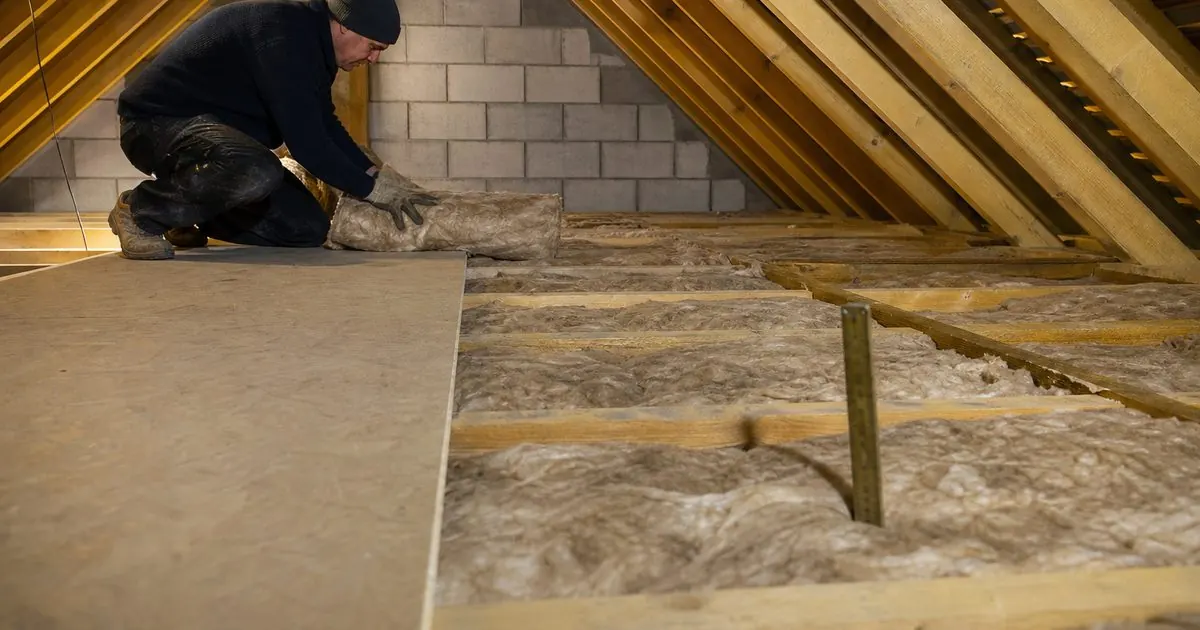
- Depth. The Energy Saving Trust recommends at least 270mm. Show the customer a ruler in the insulation in the "after" photos.
- Ventilation. The Planning Portal advises care not to block ventilation at the eaves. Explain why you have used eaves vents or kept the gap clear.
- Storage. If they use the loft, offer raised boarding so the insulation is not squashed.
- The small extras. Insulating and draught-proofing the loft hatch, lagging tanks and pipes. Cheap for you, noticeable for them.
- Tidiness. Dust sheets down, hoovered out, no fluff on the landing. People remember mess more than millimetres.
Send a home report, not just an invoice
The day after the job, send a short, friendly report by email or WhatsApp:
- What you did, with before and after photos and the final depth.
- What you noticed, in plain English, with no pressure. "Your walls look like an unfilled cavity. Filling it could make a noticeable difference to the cold front bedroom you mentioned."
- What to do next, in order. Fabric first: walls and draughts before new heating or panels.
- A review request. One tap.
This report does the selling for you. It also shows you are not one of the firms that just want to get into the house to push something. You are giving them useful information they did not have.
Partner for the things you do not do
You probably do not fit solar, heat pumps or windows. Someone local does. Agree simple referral arrangements with two or three firms you trust, and be open with customers about them.
This matters more now, because of how the money works. As of November 2026, the GOV.UK Warm Homes Loan eligibility list covers heat pumps, solar panels and batteries, among other measures, but not insulation. A customer who is planning a heat pump might fund that through a Warm Homes loan, but your insulation work will need to be paid for separately. A partner relationship lets you plan the whole project with the customer, in the right order, and be clear about which part is funded how. Our guide on what the Warm Homes loan does not cover has more on this.
Set up the follow-up in your CRM
Tag every loft customer with what you found. Then set up a follow-up timeline that is useful, not pushy:
| When | What they receive |
|---|---|
| Day 1 | The home report |
| Week 2 | "How is the house feeling?" plus the review link if not done |
| First cold snap | A note about the next step you recommended (for example cavity fill) |
| Spring | Partner introduction if they mentioned solar or heat pumps |
| Before April 2027 | A reminder that VAT on insulation installs is set to move from 0% to 5% on 1 April 2027 |
| Yearly | A short check-in and anything new that applies to their home |
Stop the sequence as soon as they reply or book. Our article on getting more from past customers covers the general approach to customer follow-up.
Advertise the loft, sell the home
Your ads should stay simple: loft insulation, a clear price or range, local proof. Do not cram cavity, solar and heat pumps into the same ad. That confuses people and looks like the scattergun approach that cold callers use (see Is this a scam?).
Measure differently, though. Track revenue per customer over 12 and 24 months, not just per job. When that number climbs, you can afford to bid harder for loft enquiries than competitors who judge each job on its own.
Where we fit
We build this for insulation firms end to end: loft insulation campaigns, landing pages with clear prices, and Installer Flow, our CRM, holding the home profile and running the follow-up automatically. See our loft insulation page for more.
If loft jobs feel like hard work for small money, book a video call and we will show you how to make each customer worth more.
Sources
- Energy Saving Trust: how to insulate a loft
- Planning Portal: Building Regulations for loft insulation
- GOV.UK: Warm Homes Loan Scheme eligibility
- GOV.UK: VAT on energy-saving materials (VAT Notice 708/6)
Questions owners ask
Is it worth advertising for loft insulation jobs?
On a single job, often only just. The cost of winning the enquiry can eat most of the margin on a small loft top-up. It becomes worth it when you treat the loft job as the first job, record what else the home needs and follow up on cavity, external wall, solar or heat pump work later.
How deep should loft insulation be?
The Energy Saving Trust recommends at least 270mm of loft insulation. Many older homes have far less, which is why top-ups are common. Keep eaves ventilation clear and use raised boarding where storage is needed so the insulation is not squashed. Check current Building Regulations guidance for renovation work.