The fastest way to lose a Warm Homes deal is to promise the customer the scheme will pay for something it won't. The quote goes to the lender, the lender checks the measures against the scheme rules, and suddenly a third of the job isn't fundable. The customer feels misled, the deal stalls, and sometimes it dies.
It happens most with three things: insulation, EV chargers and roof work. This post sets out exactly what the Warm Homes loan does and doesn't cover, a checklist for surveys and sales, how your funnel should route ineligible work, and a section for insulation firms who expected the scheme to fund them.
What the loan covers
As of November 2026, the GOV.UK eligibility page lists these measures:
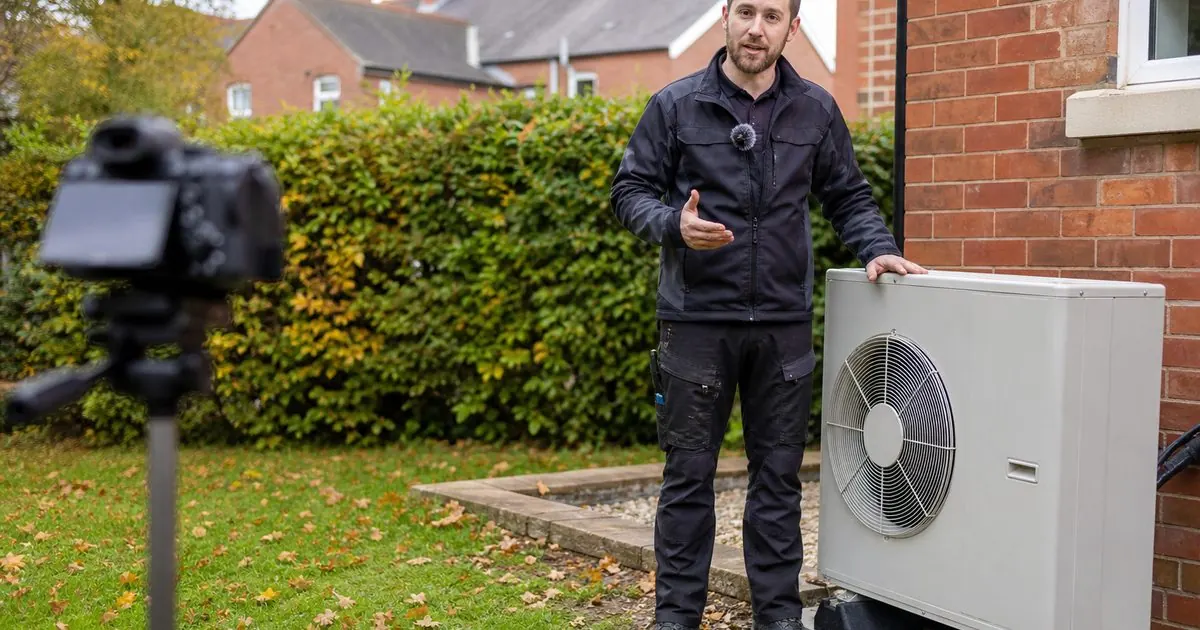
- Air source and ground source heat pumps
- Solar PV panels
- Battery storage systems (standalone or with solar)
- Heat network connections
- Domestic wind turbines
- Micro hydroelectric systems
The scheme rules also list biomass boilers, for rural properties only and where the customer is getting a Boiler Upgrade Scheme (or devolved) grant. One loan can cover more than one measure. Each measure has a cap (for example £15,000 for solar, £15,000 for a battery, £20,000 for an air-to-water heat pump), and ancillary work must fit inside it.
Ancillary work is covered where it is needed for the measure to work. For a heat pump, the rules expect radiators, pipework and water tanks. For solar, scaffolding, temporary safety equipment and grid connection. For a battery, integration with existing panels, monitoring setup and protection devices.
What it doesn't cover
| Not covered | What the rules say | What to do instead |
|---|---|---|
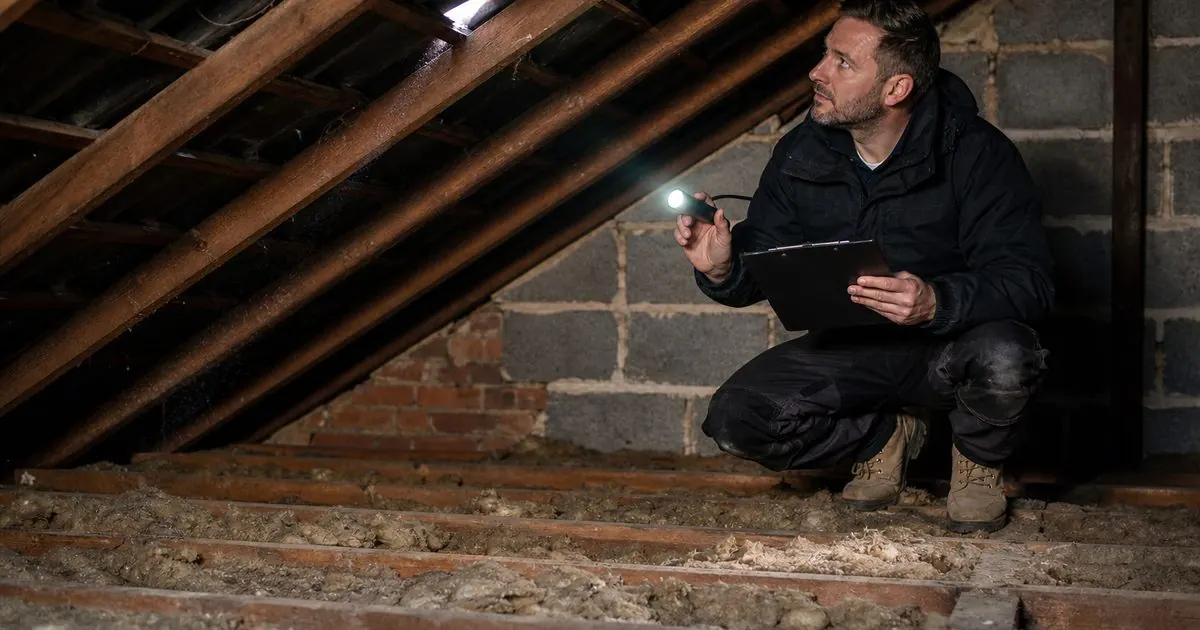
| Insulation | Not an eligible measure, and not funded even as part of a heat pump install | Separate quote; cash or a separate standard loan |
| Windows and doors | Named as costs not covered | Separate quote |
| Roof repairs or replacement before solar | Replacement roofing or structural work is not funded | Separate quote; sort it before the solar survey date |
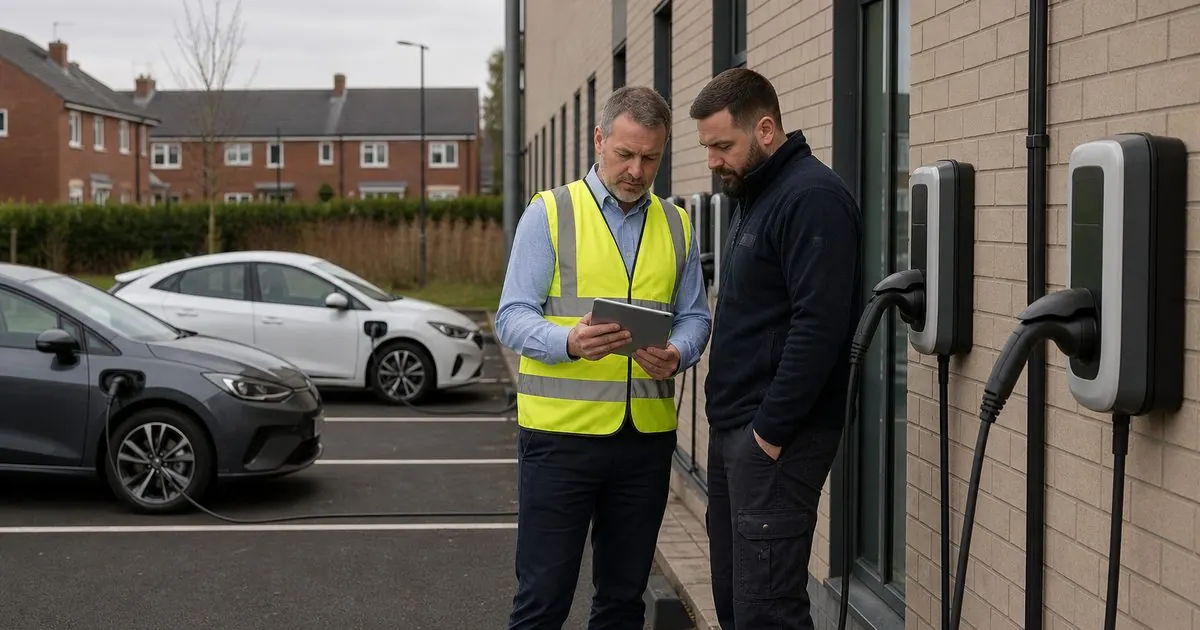
| Standalone EV charger | Only eligible as part of a solar or battery install, with an OZEV-approved installer and chargepoint | Bundle with solar or battery, or price separately |
| An EV charger already grant-funded | Not eligible | Price separately |
| Replacing an existing heat pump | The heat pump must not replace an existing low-carbon system | Cash or standard finance |
| Air-to-air heat pumps (for now) | Only eligible once MCS standards for them exist | Use the £2,500 Boiler Upgrade Scheme grant and other finance |
| Work already funded by other public money | Not allowed, except alongside the Boiler Upgrade Scheme or Home Energy Scotland | Check at survey |
| DIY or work by a non-MCS installer | An MCS-certified installer must do the work | No workaround |
| Commercial properties | Residential only; lending to businesses or SPVs is not allowed | Commercial finance |
The scheme rules also say lenders are free to offer separate finance products, such as a standard unsecured personal loan, for the work the scheme does not cover. That is useful. It means a customer can often fund the whole project, just not all of it at the scheme rate.
The survey and sales checklist
Most of these problems can be caught before the quote is written. Add these to your surveyor's form and your setter script:
- Does the job include anything on the "not covered" list? If yes, it goes on a separate quote or a clearly separate section.
- Roof condition. Photograph it. If it needs work, say so at the survey, not after the lender has approved the solar.
- Is there an existing heat pump? If yes, the replacement isn't fundable under the scheme.
- Is an EV charger part of a solar or battery job? If it is on its own, it is not covered.
- Has the customer had, or applied for, any other public funding for this measure?
- Is the property residential and owned by the customer?
- Is the quote within the cap for each measure, including ancillaries?
And one rule for the sales team: never say "the scheme covers all of it" until the quote has been checked against the list. "The solar and battery can be funded with a Warm Homes loan, the roof repair would need paying for separately" is a perfectly good sentence that keeps the deal alive.
Routing ineligible work in your funnel
If your quiz asks what the customer is interested in, include the options that aren't covered. That way you learn about them early instead of at the survey. Then route them:
- Insulation only: a message that explains the scheme doesn't cover insulation, offers your own insulation quote (or a partner's), and links to GOV.UK's Warm Homes: Local Grant page for lower-income households.
- EV charger only: a straightforward charger quote, plus a note that a charger can be included with a future solar or battery job.
- Solar with a roof that needs work: a setter call before the surveyor goes out.
We cover the full quiz in Warm Homes loan landing pages and quiz funnels.
For insulation firms: what the scheme means for you
A lot of insulation businesses expected the Warm Homes Plan to fund their work the way older schemes did. The loan does not. Insulation is not an eligible measure, and the rules are explicit that it isn't funded even when it goes in alongside a heat pump.
That doesn't make the plan irrelevant to you. There are three practical routes:
- Lower-income households through councils. The Warm Homes: Local Grant can pay for wall, loft and underfloor insulation, as well as heat pumps and solar, for eligible households in England (EPC D to G, income usually £36,000 or less). Councils run it, and many appoint contractors. Find out how your local councils deliver it.
- Bundles with heat pump and solar installers. Heat pumps work better in well-insulated homes, and many heat pump installers would rather not do the insulation themselves. Partner with one: they quote the heat pump with grant and loan, you quote the insulation separately, paid in cash or through a lender's standard loan. One survey, two quotes, both firms win.
- Self-funded customers. Comfort, lower bills and fewer draughts sell insulation without any scheme. Self-funded jobs are the pipeline that lasts; see building a private-paying insulation pipeline.
Don't advertise insulation as "Warm Homes funded" or "part of the government scheme". It isn't, and customers will find out when they apply.
How we can help
We run campaigns for solar and battery, heat pump and insulation installers. Each funnel asks the questions that spot ineligible work early, and the CRM routes it before a surveyor wastes a trip. If you want to tighten your Warm Homes sales process, book a video call with Tom.
Sources
- GOV.UK: Warm Homes loan eligibility
- GOV.UK: Warm Homes Loan Scheme rules, September 2026 (PDF)
- GOV.UK: Warm Homes Loan Scheme factsheet (27 October 2026)
- GOV.UK: Warm Homes loan scheme guide
- GOV.UK: Apply for the Warm Homes: Local Grant
- GOV.UK: Boiler Upgrade Scheme, what you can get
Questions owners ask
Does the Warm Homes loan cover insulation?
No. Insulation is not on the list of eligible measures, and the scheme rules say the scheme will not fund insulation even as part of a heat pump installation. Lenders are free to offer a separate standard loan for it. Lower-income households in England may get insulation through the Warm Homes: Local Grant via their council.
Can a Warm Homes loan pay for an EV charger?
Only as part of a solar or battery installation. The scheme rules say a chargepoint is an eligible ancillary cost with solar PV or battery storage, but not a standalone measure. The chargepoint installer and the chargepoint must be OZEV approved, and a charger that has already had a grant cannot also be funded by the loan.
Will the Warm Homes loan pay for roof repairs before solar?
No. The scheme rules say it will not fund replacement roofing or other structural work that may be needed before solar goes on. Scaffolding, safety equipment and grid connection are expected parts of a solar quote. Put roof work on a separate quote and let the customer pay for it another way.