"What should I be paying per lead?" is one of the first things installers ask us. It is a fair question. You need a yardstick to know whether your ads, or your agency, are any good.
So here are real numbers from the Meta accounts we run. Then the part most benchmark articles skip: why the same number can be great for one firm and a disaster for another, and how to read it properly.
The numbers from our own Meta accounts
Across the live Meta (Facebook and Instagram) accounts we manage for installers and home improvement firms:
- £19.41 average cost per lead, weighted by spend
- £11.90 to £36.56 is the range, depending on service, area and how tight the qualifying is
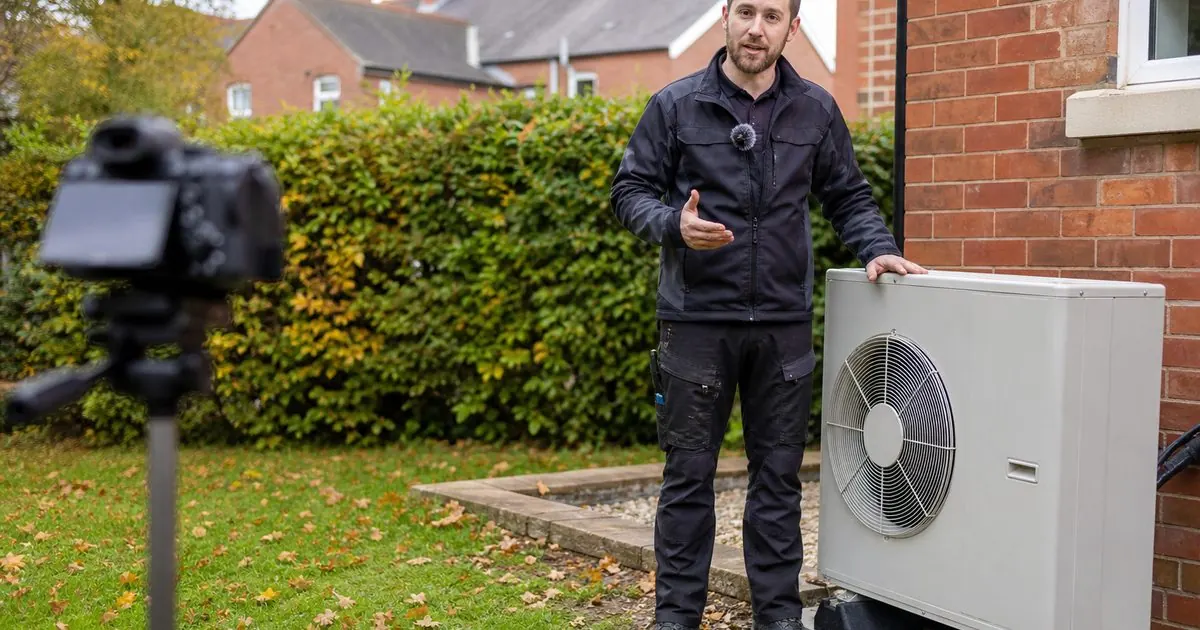
One named example: Night & Day Renewable Energy pays £28.24 per lead for air source heat pump enquiries. Brad Clark, who runs it, went from buying leads to running his own campaign, and their turnover went from £200k to over £650k in twelve months.
Treat these as a sense check, not a target. Here is why.
What pushes cost per lead up or down
| Factor | Pushes CPL down | Pushes CPL up |
|---|---|---|
| Form type | More volume instant form | Higher intent form or landing page |
| Qualifying questions | None, or one easy one | Ownership, postcode, timescale, budget |
| Offer | Free quote, free survey, "check eligibility" | Specific product with a price range |
| Area | Dense towns, large patch | Rural, small patch |
| Product | Familiar, lower-ticket | Unfamiliar, high-ticket |
| Creative | Fresh, varied ads | One tired video |
| Season | Quieter weeks for your trade | Peak weeks when rivals spend most |
Look at the top two rows. The changes that raise cost per lead (harder forms, more questions) are often the same changes that raise the number of leads who answer, book and buy. That is the trap.
Why a low cost per lead can be the expensive option
Take two installers, same budget, same product, same area. The numbers below are illustrative:
| Installer A | Installer B | |
|---|---|---|
| Monthly ad spend | £3,000 | £3,000 |
| Cost per lead | £12 | £30 |
| Leads | 250 | 100 |
| Booked surveys | 20 (8%) | 30 (30%) |
| Cost per booked survey | £150 | £100 |
| Sales at 40% of surveys | 8 | 12 |
| Ad cost per sale | £375 | £250 |
Installer A's cost per lead is less than half of B's. A also spends far more staff time chasing 250 people, most of whom never pick up. Installer B makes more sales from the same money. If you only looked at the first number, you would have picked A.
This is why we report cost per booked appointment and cost per sale, not just cost per lead. Pure Volts, a solar and battery installer we work with, grew from £2,000 to over £20,000 a month in ad spend while staying, in Ali's words, "still within that three to five hundred pound cost per sale". That is the figure that let them scale with confidence. The full argument for tracking by sale is in which marketing actually makes you money, and the solar-specific version is in cost per lead is the wrong number for solar installers.
How to read your own cost per lead
Compare like with like
A heat pump lead and a boiler lead are not the same thing. A lead from a three-question form is not the same as one from a one-tap form. Compare your own ad sets with each other, on the same product and area, before comparing with anyone else.
Look at trend, not a single week
Meta's costs move week to week with the auction. A run of four to six weeks tells you far more than one bad Tuesday.
Pair it with two other numbers
Never look at cost per lead alone. Put three numbers side by side for each campaign:
- Cost per lead
- Contact rate: share of leads you spoke to (see why Facebook leads don't answer the phone)
- Cost per booked appointment
If cost per lead goes up and cost per booked appointment goes down, you are winning.
Know your break-even
Work backwards from the job. If an average job brings in £8,000 of gross profit and you are happy to spend 10% of that on winning it, your target ad cost per sale is £800. If one in four surveys turns into a sale, you can afford £200 per booked survey. If one in three leads books, you can afford about £67 per lead. Suddenly a £30 lead looks cheap, and a £12 lead that rarely books looks dear. For the full budget maths, which works on any channel, see working out an ad budget from your job value.
When a cheap lead is genuinely a good sign
Low cost per lead isn't always a warning. It is great news when:
- Contact rate and booking rate are holding steady at the same time
- It comes from a fresh concept (a new customer video, a new local job)
- It is in a warm audience: people who have watched your videos or visited your site
It is a warning when it appears overnight after removing qualifying questions, or when your team starts saying "these leads are rubbish".
How to make Meta chase the right leads
If you want Meta to aim for leads that book rather than leads that are cheap, you have to tell it which ones booked. That is what the Conversions API for CRM and the Conversion leads goal are for. Our step-by-step guide: teaching Meta which leads became jobs.
The short version
- Our live Meta accounts average £19.41 per lead, with a range of £11.90 to £36.56
- Your number depends on trade, area, form and how hard you qualify
- A higher cost per lead with a better booking rate often means a lower cost per sale
- Report cost per booked appointment and cost per sale next to cost per lead, every month
Our Installer Flow reporting puts all three numbers on one dashboard so nobody is guessing. If you'd like to see how your current figures compare and where the leaks are, book a video call with Tom and bring your last three months of Facebook ads data.
Sources
- Meta Business Help Centre: About instant form types
- Meta Business Help Centre: Best practices for creating lead ads
Questions owners ask
What is a good cost per lead for solar on Facebook?
It depends on area, offer and how hard the form qualifies. Across the live Meta accounts we manage, cost per lead runs from £11.90 to £36.56 depending on service, area and qualifying, with a spend-weighted average of £19.41. The better question is cost per sale: Pure Volts describes theirs as three to five hundred pounds.
Why is my Facebook cost per lead going up?
Common causes are tired creative shown too often to a small local audience, seasonal competition, tighter form questions, or edits that reset Meta's learning. Rising cost per lead is only bad news if cost per booked appointment and cost per sale rise with it. Check those first.