Every installer's website says "five stars, would recommend". Buyers have seen so many written reviews, some of them fake, that a wall of quotes barely registers any more. UK law now bans fake reviews outright, and the fact that the government needed to tells you how much trust has been lost.
A real customer on camera, in their own home, talking about the thing they were worried about before they hired you, is different. It is hard to fake, easy to believe, and it answers the question every buyer has: "Will it go well for me?"
This guide covers how to plan, film and use customer testimonial videos for home improvement and renewables: who to ask, what to ask them, how to film it and where each cut earns its keep.
Why video testimonials work when written reviews don't
A written review tells a buyer the job went well. A video shows them:
- A real person with a face, a voice and a house like theirs.
- The finished work in context, not a cropped photo.
- Emotion that cannot be typed: relief, pride, the way someone talks about a warm house in January.
- The fear answered. "I was worried about the mess, honestly. They put dust sheets everywhere and hoovered every night."
That last point is the one most installers miss. A testimonial that just says "great job" on camera is barely better than the written version. The value comes from the customer describing the doubt they had and what actually happened.
Who to ask
Not every happy customer makes a good video. Look for:
- People who match your best buyers. If most of your heat pump customers are retired couples in older houses, film retired couples in older houses. Buyers trust people like them.
- People who were sceptical. The customer who got three quotes and nearly went elsewhere is far more convincing than the one who loved you from day one.
- Natural talkers. You will know from the survey and install who is chatty and comfortable.
- A mix of jobs. Different products, house types and towns.
Ask at handover, while they are pleased with the result. Explain it takes about 20 minutes and you will send them the finished video first.
The questions that make a testimonial sell
Avoid "What did you think of us?" It gets polite, empty answers. Instead, walk them through their story, in this order:
- Before. "What was the situation before? What made you start looking?"
- The worry. "What were you most worried about when you were choosing an installer?"
- The decision. "Why did you go with us in the end?"
- The experience. "What was the install like? Anything that surprised you?"
- After. "What's different now? How has it been since?"
- Advice. "What would you say to someone thinking about doing the same?"
Ask them to answer in full sentences ("I was worried about..." rather than "the mess"), so each answer makes sense on its own when edited. Never script their words. Real phrasing is what makes it believable.
The buyer fears worth drawing out vary by trade: cost overruns and mess for bathrooms and kitchens, whether it actually works for heat pumps and solar, pushy sales for windows, and whether the firm will still be around for guarantees across all of them.
Filming it properly
You do not need a film crew, but you do need a few basics:
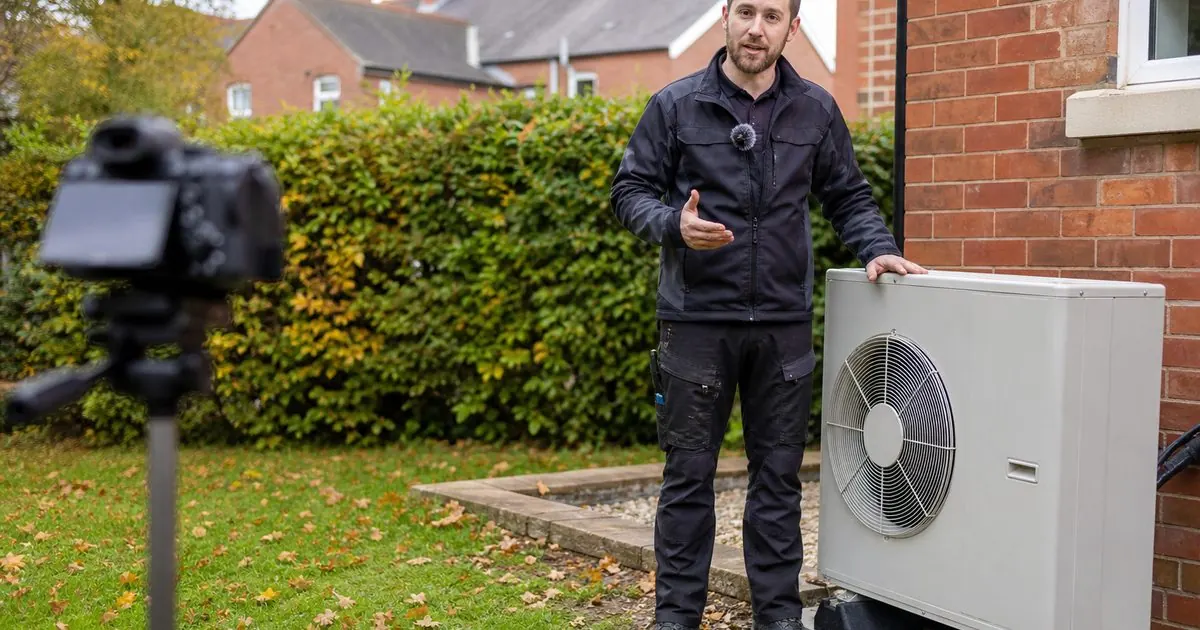
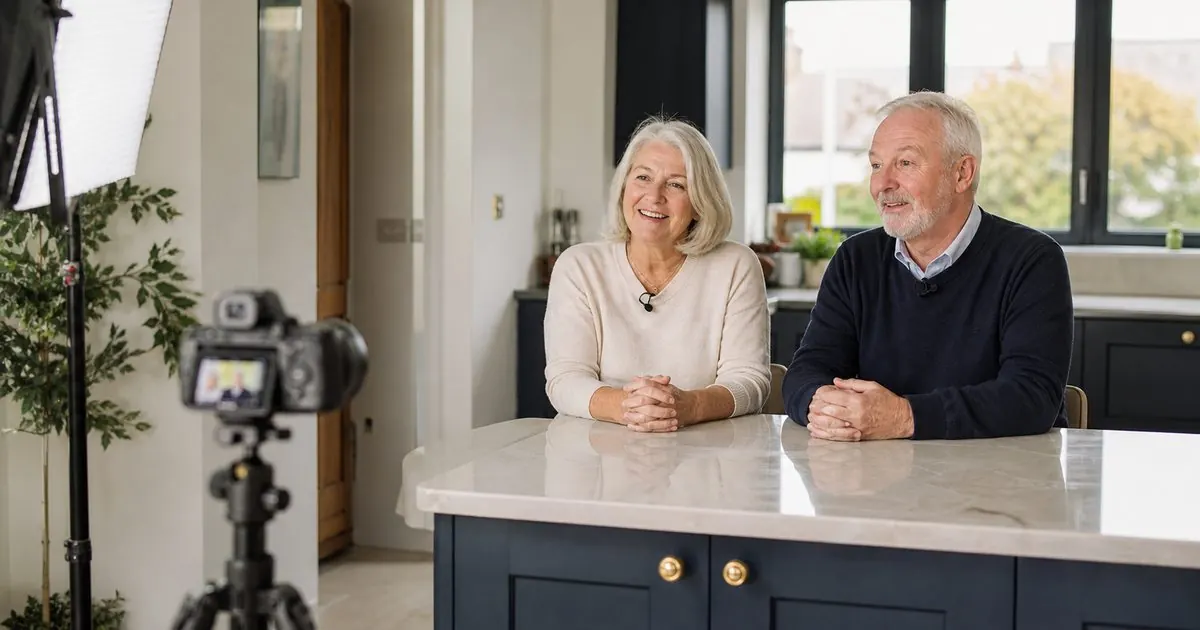
- Sound first. Bad audio ruins a testimonial faster than bad video. Use a clip-on microphone. Turn off the TV, the washing machine and the dog's audience.
- Light from a window, falling on the customer's face, not behind them.
- Frame them in their space: in front of the new kitchen, beside the heat pump, in the warm living room.
- Film plenty of extra footage (b-roll): the product, close-ups of the finish, the customer using it, the outside of the house (without the house number), the team at work if it is during the job.
- Film vertical and horizontal if you can, or frame wide enough to crop both. Ads and stories want vertical. Websites and YouTube want horizontal.
When the finished room is the selling point
For bathrooms, kitchens and conservatory roofs, the result does a lot of the selling, so interview the customer in the finished room rather than on the sofa. Let them show you the part they love, and ask what they use the space for now that they did not before. That one answer often makes the best ad of the whole shoot. Reveal walkthroughs and before-and-after shot lists for these trades are covered in showing finished rooms.
Consent and the rules
- Written consent before filming, covering where the video will be used and for how long. Agree whether you will show their town, and never show house numbers or anything that identifies their address.
- Keep evidence. The advertising rules require you to hold proof that testimonials are genuine and to keep the customer's contact details.
- Do not edit the meaning. Cutting for length is fine. Splicing words together so they say something they did not is not.
- Disclose incentives. If you gave anything in return, it must be made clear.
Where to use each cut
One 20-minute interview can produce many assets:
- A 2 to 3 minute story for your website and YouTube.
- 30 to 60 second cuts for Facebook and Instagram ads, each built around one fear.
- 15 second clips for stories, reels and WhatsApp follow-ups.
- A clip to send with quotes, matched to the product. See video with every quote.
- Quotes and stills for your website and proposals.
For heat pump installers, filming customers again after their first winter is especially powerful, which we cover in real running-cost proof.
How we do it
Filming customer stories is the first part of the system we build for clients. We come to you for a full shoot day on site once a quarter, and our editors turn the footage into ads, website videos and follow-up clips. Somebody in your business needs to be on camera too, but it does not have to be the owner.
If you want to see what this would look like for your trade, our videography service has examples. Book a video call and we will talk through who to film first.
Sources
- ASA: Testimonials and endorsements
- GOV.UK: Online reviews and endorsements, information for businesses (CMA)
- Google Search Central: Video SEO best practices
Questions owners ask
Do I need written permission to use a customer's video?
Yes, get it in writing before you film. Say where the video will be used (website, social media, paid ads), for how long, and whether you will show their town or street. Advertising rules also require you to hold evidence that a testimonial is genuine and to keep the customer's contact details.
Should I pay customers or give a discount for a video testimonial?
Be very careful. A testimonial given in return for a discount is an incentivised endorsement, and UK rules require that to be made clear. Many installers offer a small thank-you after filming, unconnected to what is said, and disclose it. The safest route is simply asking happy customers, most of whom say yes.