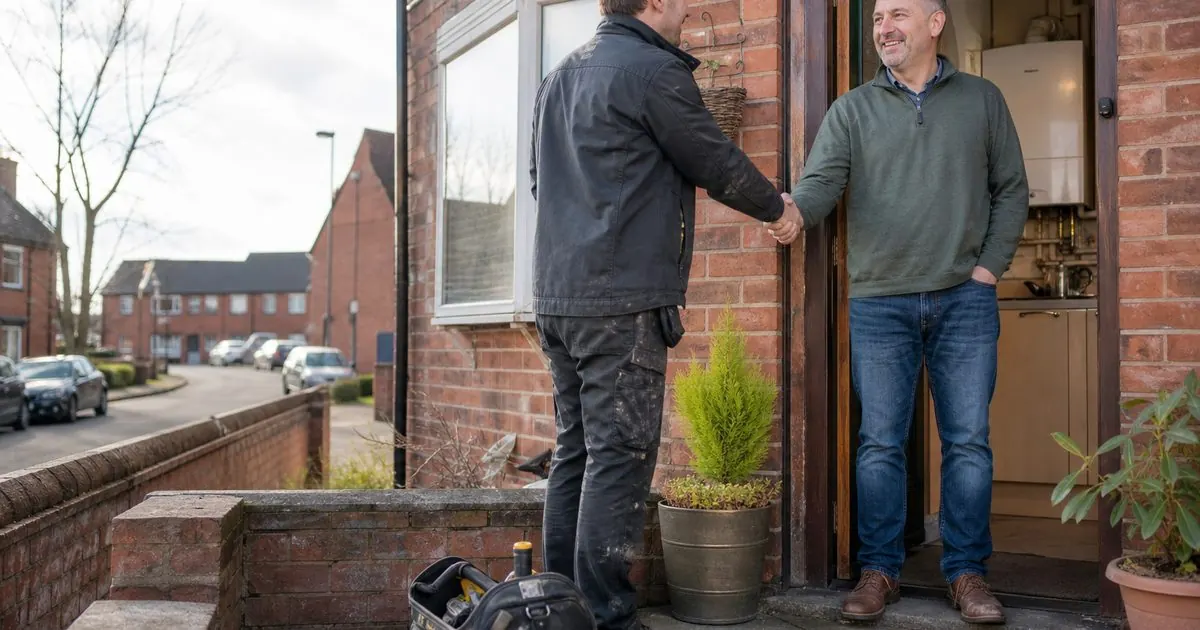
There is always a cheaper boiler quote. A national online firm, a one-man band working cash in hand, or a mate of a mate who "does boilers". When the customer comes back with "we've had one for £600 less", most engineers do one of two things: knock money off, or give up.
Neither is necessary. Most of the time the cheaper quote is not for the same job. The customer just cannot tell, because nobody has shown them the difference. This piece is about making that difference obvious before the price conversation starts.
Why the other quote is cheaper
Before you react, find out what is actually in it. The common gaps are:
- A different boiler. An entry-level range with a shorter guarantee, or a smaller output than the house needs.
- No system cleanse or filter. Putting a new boiler on dirty old pipework, which can shorten its life and may affect the manufacturer's guarantee terms.
- Basic controls only. The minimum timer and thermostat, not the controls the customer thought they were getting.
- Reusing what should be replaced. The old flue, the condensate route, the gas supply that is undersized for a bigger combi.
- Missing extras. Removing the old cylinder and tanks, making good, radiator valves, disposal.
- Vague paperwork. No mention of the Benchmark commissioning record or the Building Regulations notification and certificate.
None of these are visible on a one-line quote that says "Supply and fit combi boiler: £X".
Step 1: itemise everything
Your quote should read like a specification, not a receipt. For example:
| Item | Included |
|---|---|
| Boiler make, model and output | Named, with the reason for the size |
| Manufacturer guarantee | Length and any servicing conditions |
| Flue | New, with the type and route |
| System cleanse | Type of cleanse, and inhibitor added |
| Magnetic filter | Named |
| Controls | Named model and what it does |
| Gas supply | Checked, upgraded if needed |
| Condensate | Route and protection from freezing |
| Old boiler and tanks | Removed and disposed of |
| Making good | What you will patch and paint, and what you will not |
| Paperwork | Benchmark record, Building Regulations notification, guarantee registration |
| First service | When it is due, and the reminder you will send |
When a customer holds that next to a one-line quote, the conversation changes from "why are you dearer?" to "does theirs include this?".
Step 2: give the customer the questions to ask
Do not slag off the competition. Give the homeowner a short, fair checklist instead and let them ask the other installer. Put it in your quote email and on your website:
- Which exact boiler model and output is it?
- How long is the manufacturer guarantee, and what do I need to do to keep it?
- Is a system cleanse and filter included?
- Which controls are included?
- Will the flue be replaced?
- Who registers the boiler and notifies Building Control, and when will I get the certificate?
- Who is the engineer, and are they Gas Safe registered? (Anyone can check on the Gas Safe Register.)
- Who do I call if there is a problem in the first year?
A customer who asks those questions often comes back on their own.
Step 3: offer three options
One price gives the customer a yes or no. Three prices give them a choice.
- Good: a reliable boiler, standard guarantee, basic smart thermostat.
- Better: a higher-spec range with a longer guarantee and better controls.
- Best: the top range, the longest guarantee and weather compensation or full smart controls.
Make the middle one the job you would recommend to your own family. If the customer still wants to spend less, move them down a tier. Cut the specification, not your margin on the same job.
Step 4: send a short video with the quote
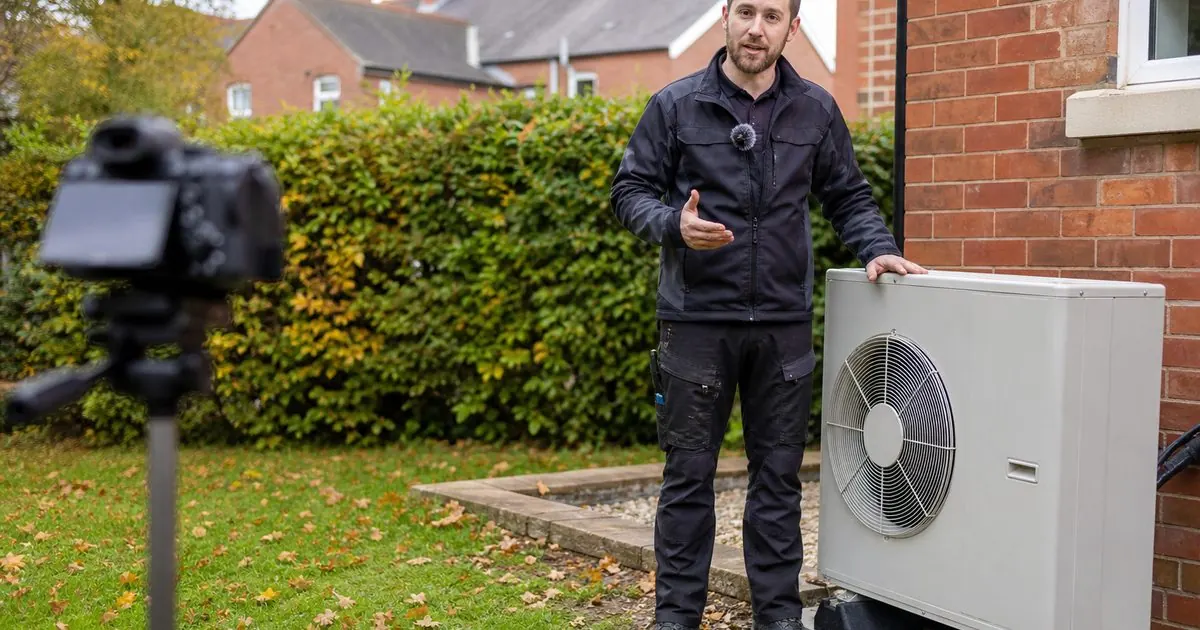
A 60-second phone video does more than three paragraphs of text. Stand in front of their boiler (or send it from the van after the survey) and say:
- What you found
- What you recommend, and why that size and model
- What the price includes that they might not see elsewhere
- When you could fit it
It shows you looked properly, it puts a face to the price and it gets watched. Customers forward it to their partner, which matters, because the person who met you is often not the only one deciding. Our piece on quote follow-up covers how to keep the conversation going if they go quiet afterwards.
Step 5: be quick
The cheaper quote often wins simply because it arrived first. Aim to send yours the same day as the survey, ideally before you leave the street. A quote tool or template that pulls in the survey answers makes this realistic. See Online boiler quote tools for independent installers.
Step 6: what to say on the phone
When the customer says "yours is £600 more", try this:
That's fair to ask. Could you send me theirs? I'll go through it line by line and tell you honestly whether it's the same job. If it is, I'll tell you. If it isn't, I'll show you exactly what's different, and you can decide.
Then do exactly that. Sometimes the other quote really is the same job for less, and you lose it. Fine. More often, you find two or three things missing, and you win it without dropping a penny.
If the issue is cash flow rather than value, a monthly figure can help, but only if you are authorised by the FCA to broker credit or you work through a provider who is. Never invent a monthly figure in an ad or on a quote.
Step 7: know when to walk away
Some customers only want the lowest number. They will push you down and then push you around on install day. Set a floor for each job type and stick to it. Losing a job at a price that would not have paid you properly is not a loss.
The marketing side
All of this starts before the quote. If your ads and website shout "cheapest boilers in town", you will attract people who buy on price alone. If they show your engineers, your installs, your reviews and your aftercare, you attract people who want a job done well. That is why we put video of your real team at the centre of the ads we run for heating firms.
For the wider picture, including how to compete with national online brands, read Competing with online boiler companies.
Where we fit
We help heating firms win on value, not price: video-led ads, quote pages that itemise properly, fast follow-up and, where it suits, sales closers who handle the quote conversations for you. Our boilers and heating page has more on how it fits together.
If you are tired of discounting to win work, book a video call and we will talk it through.
Sources
- Planning Portal: Building Regulations for boilers and heating
- Benchmark: commissioning checklist scheme
- Gas Safe Register
- Financial Conduct Authority: consumer credit
Questions owners ask
Should I match a cheaper boiler quote?
Usually not. First compare it line by line. Cheaper quotes often use a different boiler range, a shorter guarantee or leave out the system cleanse, filter or controls. If the customer still wants to spend less, change the specification, for example a different boiler tier, rather than cutting the price of the same job.
How many options should a boiler quote include?
Three works well: a good, better and best option with clear differences in boiler range, guarantee length and controls. One price gives the customer a yes or no decision. Three prices let them choose, and many will pick the middle option rather than looking elsewhere.