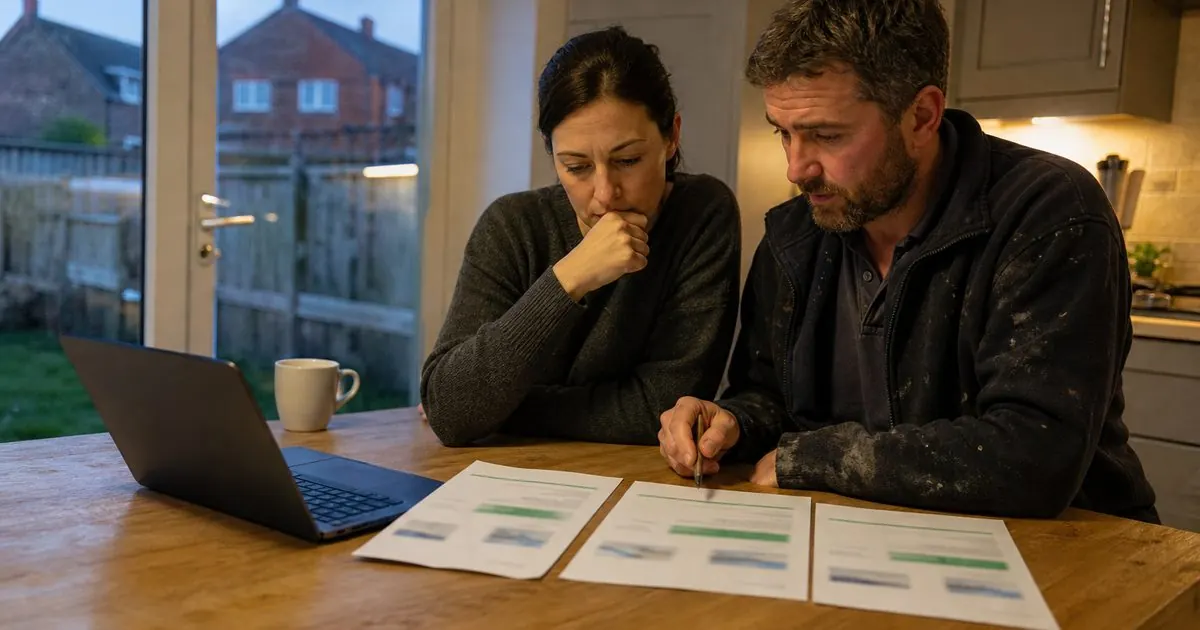
When window quotes are compared, they are usually compared by the number at the bottom divided by the number of windows. That turns a considered home improvement into a commodity, and the firm with the thinnest margin wins. Most installers know this is happening. Fewer have changed how they market and quote to stop it.
The way out is to sell what the buyer is actually trying to fix. Nobody wakes up wanting eleven uPVC units. They want a warmer house, a quieter bedroom, or to feel safer when they're away. This guide shows how to find that reason, prove you can deliver it, and quote in a way that makes "price per window" the wrong comparison.
Find the real reason first
Every window enquiry has a trigger. Ask for it on your landing page and again at the survey:
- Warmth and draughts. Cold rooms, drafty frames, condensation, mould around old windows.
- Noise. A busy road, a train line, a flight path, a pub, noisy neighbours.
- Security. A break-in nearby, ageing locks, ground floor windows that don't feel solid.
- Looks and value. Getting the house ready to sell, matching a new door, replacing yellowed frames.
- Maintenance. Rotten timber, failed seals, windows that won't open.
A simple multiple-choice question on the form ("What's the main reason you're looking at new windows?") changes the whole sale. Your surveyor arrives knowing what matters, and your follow-up can talk about that, not about frame profiles.
Build creative around each reason
Instead of one generic "new windows" ad, run a small set of ads that each speak to one reason. The buyer sees their own problem and clicks.
Warmth
Show a cold room becoming a room the family uses. A customer saying "we used to sit in coats in the front room in winter" does more than any spec. Explain, in plain words, that replacement windows in England have to meet minimum energy efficiency standards under the building regulations: a maximum U-value of 1.4 W/m²K or a Window Energy Rating of band B for most replacement windows, as set out in Approved Document L. That is a fact, not a sales claim, and it reassures buyers that what you fit isn't the cheapest glass going.
Noise
Film inside a bedroom or living room next to a busy road, with the old window open and then the new one shut. Let the customer describe the difference. Talk about the options that help with noise, such as laminated or acoustic glass and different pane thicknesses, and be honest that results depend on the source of noise and the rest of the house.
Security
Show the locking points, the hinges and the glass. A short clip of your fitter explaining what makes a window harder to force is more convincing than "high security" in a headline. If your products are tested to a recognised security standard, say which one and what it means.
Make claims you can prove
Window marketing has a history of big promises. Don't add to it. The advertising code requires you to hold evidence for objective claims, and "cut your heating bills by 30%" is an objective claim. Practical rules:
- Avoid specific savings figures unless you can show the source and that it applies to the homes you're targeting.
- Describe comfort and what customers have told you, using their words with permission.
- Use standards and ratings that are real: U-values, energy ratings, security test standards.
- Don't imply a product does something it doesn't. Acoustic glass reduces noise, it doesn't silence a motorway.
Honest marketing also helps with the industry's reputation problem, covered in shaking off the pushy salesman image.
Quote by room and by outcome
This is where most of the margin is protected. A quote that lists "11 x casement windows, white, A-rated, £X" invites a per-window comparison. A quote structured around the buyer's problems doesn't.
| Instead of | Try |
|---|---|
| "6 x windows, front elevation" | "Front bedroom and lounge: acoustic glazing to cut road noise, which was your main concern" |
| "Standard locks" | "Ground floor: enhanced locking and laminated glass on the windows facing the side passage" |
| "Bay window" | "Lounge bay: replacing the failed units and rotten sill, with a warmer frame to stop the condensation you showed us" |
Add a short summary at the top: "You told us your main concerns were noise in the front bedroom and draughts in the lounge. Here's how this quote solves both." Then the price.
A buyer comparing this against a bare list of units can see they are not the same thing. If they still want the cheaper one, they now know what they're giving up.
Back it with customer video
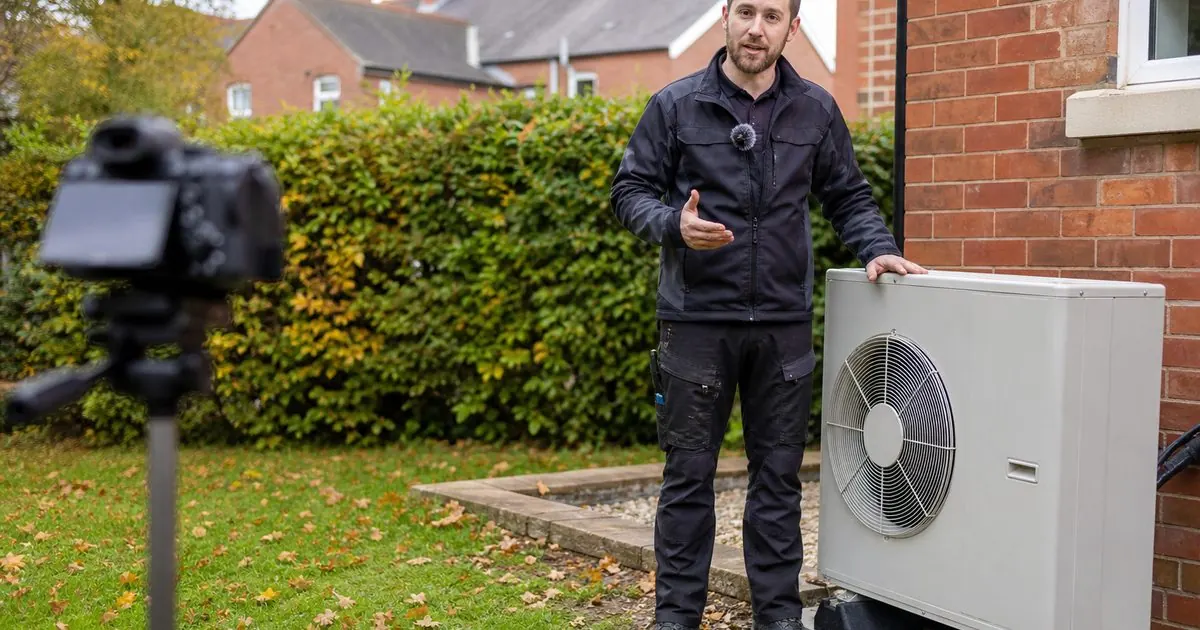
The strongest proof for warmth, noise and security comes from customers in their own homes. Plan a short interview after the install, once they have lived with the new windows through some bad weather:
- What was the room like before?
- What made you decide to change the windows?
- What do you notice most now?
Use the answers in your ads, on your landing pages by reason (a warmth page, a noise page, a security page), and in quote follow-up. One customer talking about a quieter bedroom will do more for the next noise-led buyer than any amount of product copy.
Follow up on the reason, too
Your follow-up after the quote should keep coming back to the buyer's reason. If they were worried about noise, send them the noise customer video. If it was security, send the clip of your fitter explaining the locks. Generic "just checking in" messages pull the conversation back to price. Reason-led follow-up keeps it on value.
How we help
We build window and door campaigns around what buyers are trying to fix: ads by reason, landing pages that ask the right question, customer videos filmed in real homes and follow-up that keeps the conversation on value. See our windows and doors page and our videography service.
If your quotes keep being judged on price per window, book a video call and we'll look at how you could sell the outcome instead.
Sources
- GOV.UK: Conservation of fuel and power, Approved Document L
- Planning Portal: Doors and windows, building regulations
- ASA: The CAP Code, section 3: misleading advertising
Questions owners ask
Can I advertise energy savings from new windows?
Only if you can back the claim up. The advertising code requires evidence for objective claims, so avoid specific savings figures unless you can show where they come from and that they apply to the homes you are targeting. Talking about comfort, fewer draughts and what customers say is safer and often more persuasive.
How do I stop buyers comparing my quote per window?
Quote by room and by problem solved, not just by unit. Show what each room gets (for example, acoustic glazing in the front bedroom, enhanced locks on ground floor windows) and why. When the quote describes the outcome, a cheaper per-window price elsewhere looks like a different product, because it usually is.