Ask anyone over 40 about double glazing salesmen and you will get a story. The three-hour visit. The "manager on the phone" who could knock off 40% if you signed tonight. The price that started at a number and dropped twice before the tea went cold. Most window and door firms haven't sold like that for years, but the reputation still sits in every buyer's head when they book a survey.
That reputation is now an opportunity. Buyers are actively looking for the firm that isn't pushy, and the one that proves it early usually wins. This guide covers how to market and sell windows and doors so the buyer feels safe from the first ad to the signed order.
The trigger: buyers expect to be pressured
Consumer advice tells window buyers exactly what to watch for. Which?'s guide to double glazing sales and quotes warns about salespeople who quote high and then drop the price during the visit, and about discounts that only apply if you sign on the spot or the same day. It advises getting at least three quotes for the same products and expecting a reputable firm to give its best price first time.
So a homeowner who has done any research arrives primed. Any hint of the old tactics confirms their fear and sends them to the next quote. The firms that win are the ones that make the opposite clear before the surveyor even arrives.
Say it in your marketing, plainly
Don't just avoid pressure. Tell people you avoid it, and explain how. Specific promises are more believable than "no hard sell":
- One visit, one written price. "We measure, we explain the options, and we send a written fixed quote within 24 hours. No haggling, no 'today only' discounts."
- Typical price ranges up front. Publishing realistic ranges for common jobs (a three-bed semi, a composite front door, a set of French doors) shows you have nothing to hide. (Whether and how to show prices is covered in should you show prices on your website?.)
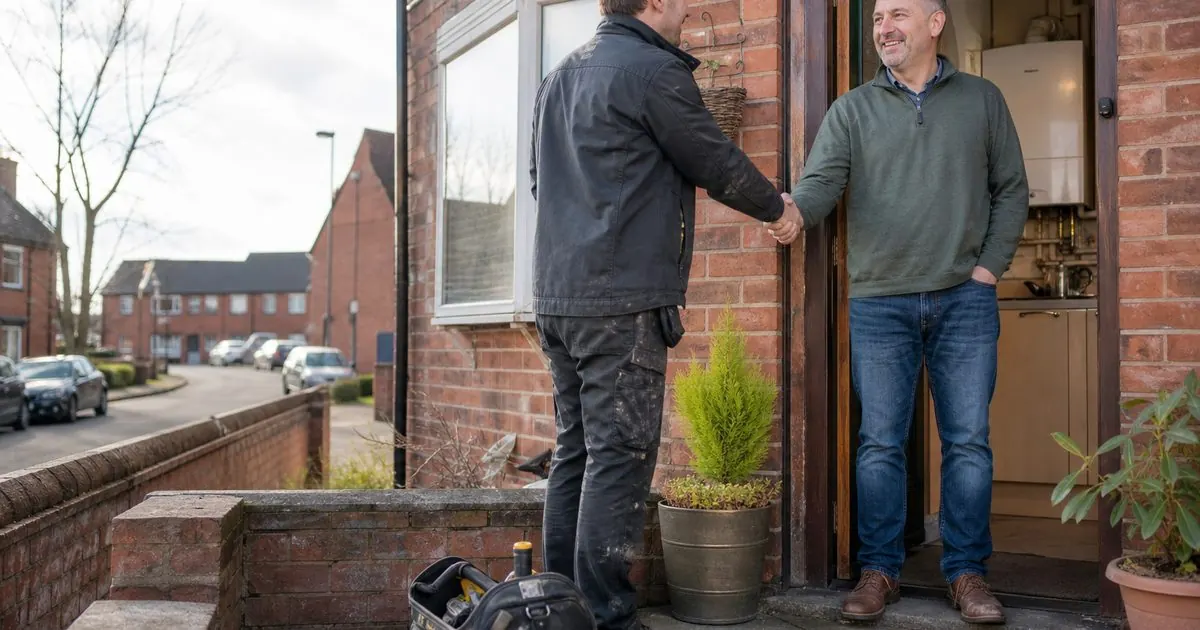
- A named surveyor with a face. A short video from the person who will visit, saying who they are and what will happen, removes most of the anxiety.
- Visit length stated. "Most surveys take 30 to 45 minutes" tells the buyer this isn't going to be an evening-long sit-down.
- Show your certification. Replacement windows and doors are controlled under the building regulations, and a registered installer under a government-authorised scheme such as FENSA issues a certificate when the job is done. FENSA describes that certificate as essential when the property is sold. Explain this in plain English, because it reassures buyers you do things properly.
Put these promises in your ads, on your landing page and in the confirmation message after someone books.
Let customers say it for you
Reviews that say "no pressure" are worth more than any claim you make yourself. When you ask for a review, ask a question that invites it: "How did you find the survey and quote process?" Customers who felt comfortable will say so.
Video works even better. A homeowner saying "he measured up, explained it all, sent the price the next morning and left us to think about it" is the single strongest answer to the pushy-salesman fear. Use clips like that in ads and in quote follow-up.
Closing without pressure
Some owners worry that dropping the hard close means dropping sales. In practice, a consultative process often closes more, because buyers aren't fighting you. Here is what it looks like in a window survey:
- Ask before you measure. What's prompting the change: draughts, noise, condensation, security, looks? Which rooms bother them most? What have they seen elsewhere?
- Explain the options in their terms. If noise from the road is the issue, talk about acoustic glazing for those rooms rather than reciting a spec sheet for every window.
- Be honest about what they don't need. Telling someone their back door is fine for another few years builds more trust than any discount.
- Give a real reason for any deadline. "Our supplier's prices go up on 1 March" or "we have an install slot in three weeks if you want it" are honest. "This price is only valid tonight" is not.
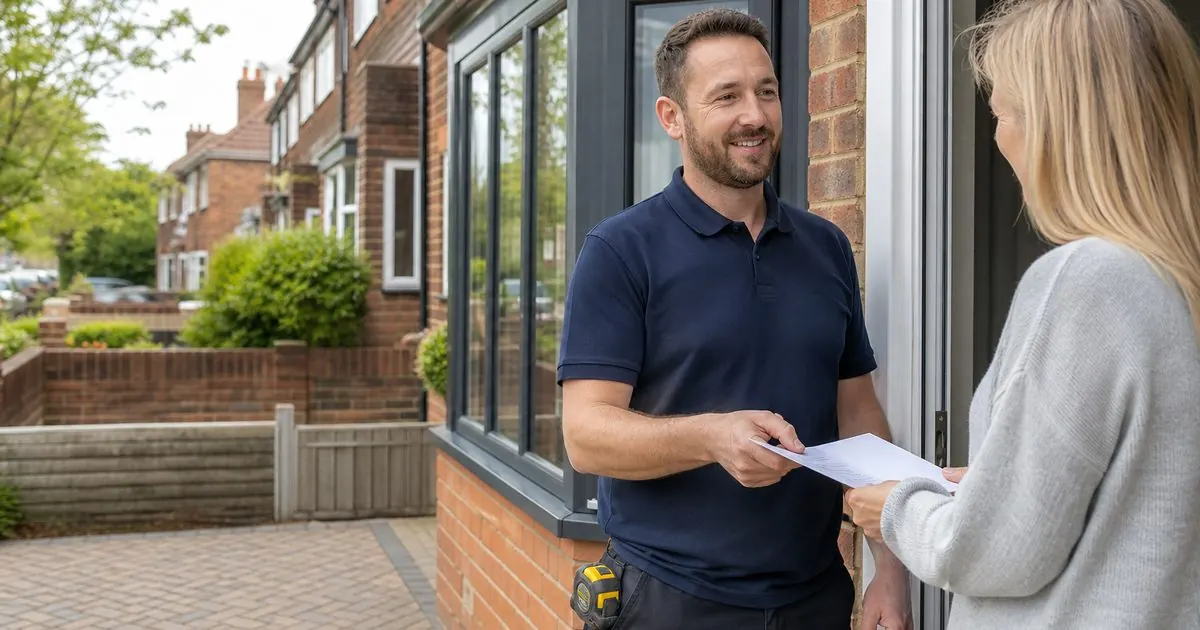
- Leave the written quote and go. Then follow up.
If you have sales staff or closers who were trained in the old style, retrain them. One pushy visit can undo months of good marketing, and buyers talk to their neighbours.
Follow-up that's polite, not persistent
Most window jobs are lost to silence, not to competitors. Buyers get three quotes, then life gets in the way. A good follow-up rhythm keeps you in the conversation without becoming a nuisance:
- Same day: a thank-you message with the quote summary and the surveyor's name.
- Two or three days later: a call to answer questions.
- One week: a short video of a similar finished job, with the customer talking.
- Every few weeks after: a light check-in, with a clear "let us know if you've gone another way" option.
Giving buyers an easy way to say no is part of being trusted. And people who say "not now" often come back in spring. The wider playbook for chasing quotes is in quotes that go quiet.
Measure whether it's working
Track the numbers that show whether trust is improving:
- Survey attendance rate (are people turning up for visits they booked?).
- Quote-to-order rate.
- Average time from quote to order.
- How many reviews mention the process, not just the product.
If attendance is low, the fear is starting before the visit, so look at your confirmation messages and surveyor videos. If quote-to-order is low, look at what happens in the room.
How we help
We build campaigns for window and door firms that lead with proof and honesty: video from real customers, landing pages with clear promises, confirmation messages that introduce the surveyor, and follow-up that keeps you in touch politely. Where it suits, our sales closers follow up booked appointments on your behalf, with a consultative approach. See our windows and doors page.
If the industry's old reputation is still costing you jobs, book a video call and we'll look at how you come across from ad to quote.
Sources
- Which?: Double glazing sales and quotes
- Planning Portal: Doors and windows, building regulations
- FENSA: Information for homeowners
Questions owners ask
Do same-day discounts still work in window sales?
They may close the odd sale, but they cost you more than they win. Consumer advice now tells buyers that time-limited deals are a sales tactic and that a reputable firm gives its best price first time. A buyer who has read that will treat a same-day discount as a warning sign and may say so in a review.
How many times should I follow up a window quote?
Enough to stay helpful, not so often that it feels like chasing. A good rhythm is a message on the day, a call after two or three days, a useful follow-up after a week, then a check-in every few weeks until they decide. Always give a clear way to say no thanks.