Ask most installers how many enquiries they got last month and you will hear a guess. Ask how many were followed up properly and the guess gets vaguer. That is not because they do not care. It is because enquiries arrive in six different places, and nobody owns the gap between them.
This article shows where leads leak in a typical installer or home improvement business, how to find your own leaks in a week, and how to set up one pipeline so nothing falls through the cracks.
Where leads actually live
In a typical five to twenty person installer, enquiries are scattered across:
- Facebook lead forms, sitting in Meta's lead centre or an email nobody checks at weekends
- Website form emails landing in an info@ inbox shared by three people
- The owner's WhatsApp, mixed in with suppliers, family and the football group
- Missed calls on the office line or a mobile, with no voicemail left
- Directory and job site apps, each with its own inbox
- Referrals by text to whoever fitted the neighbour's job
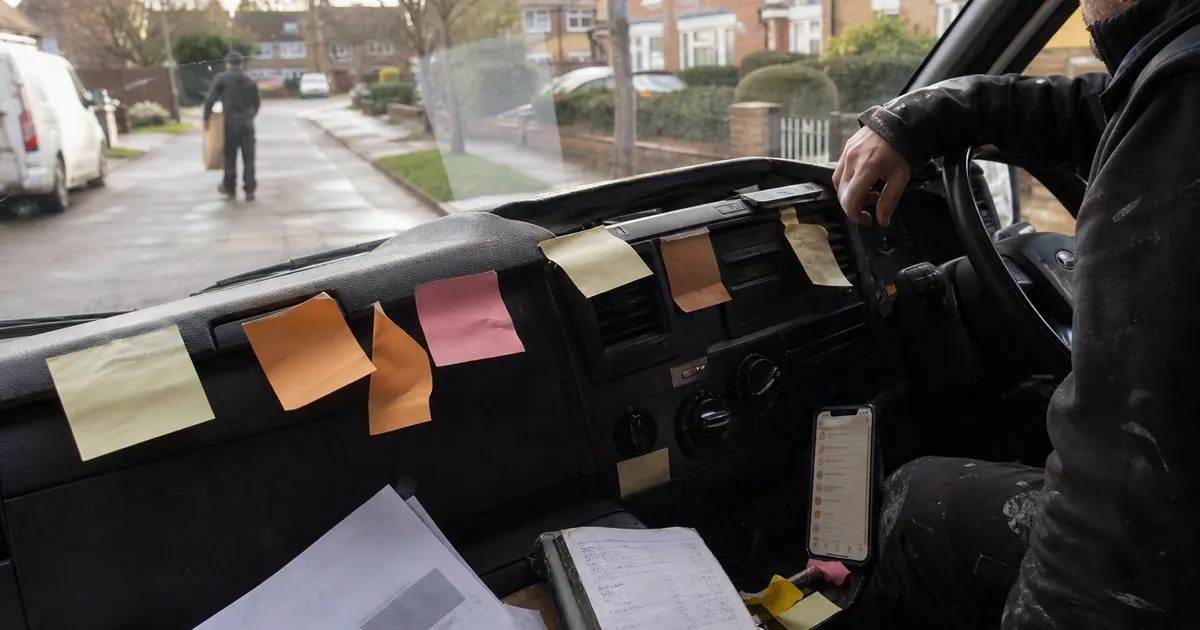
- A notebook in the van with a name, a number and "call back Tues"
- Old quotes in a folder of PDFs, never chased
Each place feels manageable on its own. The trouble is that no single person sees all of them, and there is no shared answer to the question "what happens next with this lead, and who is doing it?"
The real cost of a lost lead
Work out what one lead is worth to you:
- Take your average job value.
- Multiply by your close rate on leads that get a proper follow-up.
- That is the value of every lead you fail to contact.
If your average job is £8,000 and you close one in five properly worked leads, every enquiry is worth around £1,600 in revenue. Losing three a week is not a small admin problem. It is a lost van's worth of work over a year.
And the cost is not only the lost job. You paid for that lead, through ads, a directory or the work that earned the referral.
Find your leaks in one week: a lead audit
Before buying any software, do this:
- List every place an enquiry can arrive. Use the list above as a start.
- For one week, copy every enquiry into one sheet with: date and time, source, name, what they want, who contacted them, when, and the outcome.
- At the end of the week, answer four questions:
- How many enquiries came in, from where?
- How long did it take to make first contact, on average and at worst?
- How many were never contacted?
- How many have no agreed next step?
Most owners are shocked by the answer to the third question. Weekend and evening enquiries are usually the worst. That is when people browse, fill in forms, then hear nothing until Monday afternoon. By then they have spoken to someone else. The speed problem has its own article: why speed to lead decides who wins the job.
The fix: one pipeline, one owner, one next step
Every lead, from every source, should land in one pipeline. Each one needs three things:
- A stage. Where is it? New, contacted, survey booked, quoted, won, lost.
- An owner. One named person responsible for the next action. Not "the office".
- A next action with a date. "Call back Thursday at 6pm", "Send revised quote by Friday". A lead with no next action is a lead that will die.
A sensible set of stages for most installers:
| Stage | What it means | Rule |
|---|---|---|
| New | Just arrived | Contact within minutes in working hours |
| Contacted | Spoken to or replied | Book a survey or log why not |
| Survey booked | Date in the diary | Confirmations go out automatically |
| Survey done | Visit or video call happened | Quote within an agreed time |
| Quoted | Price sent | Follow-up sequence starts |
| Won or lost | Decision made | Lost always has a reason |
That "lost always has a reason" rule pays off later. After three months you will know whether you lose most jobs on price, timing, finance or simply never getting through.
Connect the sources so nobody retypes
The pipeline only works if leads arrive in it automatically. Retyping from emails is where errors and delays creep in. A good set-up:
- Facebook and Google lead forms flow straight into the CRM.
- Website forms post into the CRM, not just an inbox.
- Calls go through a tracked number, and missed calls create a task.
- WhatsApp runs on a business account connected to the CRM, so conversations are visible to the team and stay with the business when staff leave.
- Directory leads are added the moment they are accepted.
When we set up Installer Flow, our own CRM, leads are routed by postcode to the right rep's diary, with reminders that cut no-shows.
Automate the boring follow-up
People forget. Systems do not. The jobs to automate first:
- Instant reply to every new enquiry, day or night, by text or WhatsApp, so the customer knows they have been heard.
- Reminders to the lead owner when a next action is due, and an alert to a manager when it is overdue.
- Survey confirmations and reminders to the customer.
- Quote follow-ups at set intervals, so no quote goes quiet without a chase.
Our AI follow-up and automation page shows what that looks like in practice, including AI that replies in seconds, qualifies the lead and books the survey out of hours.
A note on personal phones and data
When leads live on staff members' personal phones, you have two problems. When someone leaves, their conversations and contacts leave with them. And you have very little control over how customers' personal data is stored and used, which matters under UK data protection law. Moving conversations onto business accounts linked to your CRM fixes both.
Do this next
- Run the one-week lead audit.
- Agree your stages and the "owner plus next action" rule with the team.
- Connect your top two lead sources into one place first, then the rest.
- Review overdue leads every morning for a month until it becomes habit.
If you are not sure whether a spreadsheet will do or you need a proper CRM, read spreadsheet or CRM?. Or book a call and we will walk through where your leads are leaking and how Installer Flow would handle them.
Questions owners ask
What is the simplest way to stop losing leads?
Send every enquiry, whatever the source, into one place, and give each one an owner and a next action with a date. That can start as a shared spreadsheet, but a CRM does it automatically, reminds people and shows you anything overdue. The rule matters more than the tool.
Is it a problem if staff keep customer details on their own phones?
It is a business risk and a data protection risk. If a salesperson leaves, the conversations and contacts go with them, and you have little control over how that personal data is stored. Use a shared business number or a WhatsApp Business account linked to your CRM instead.