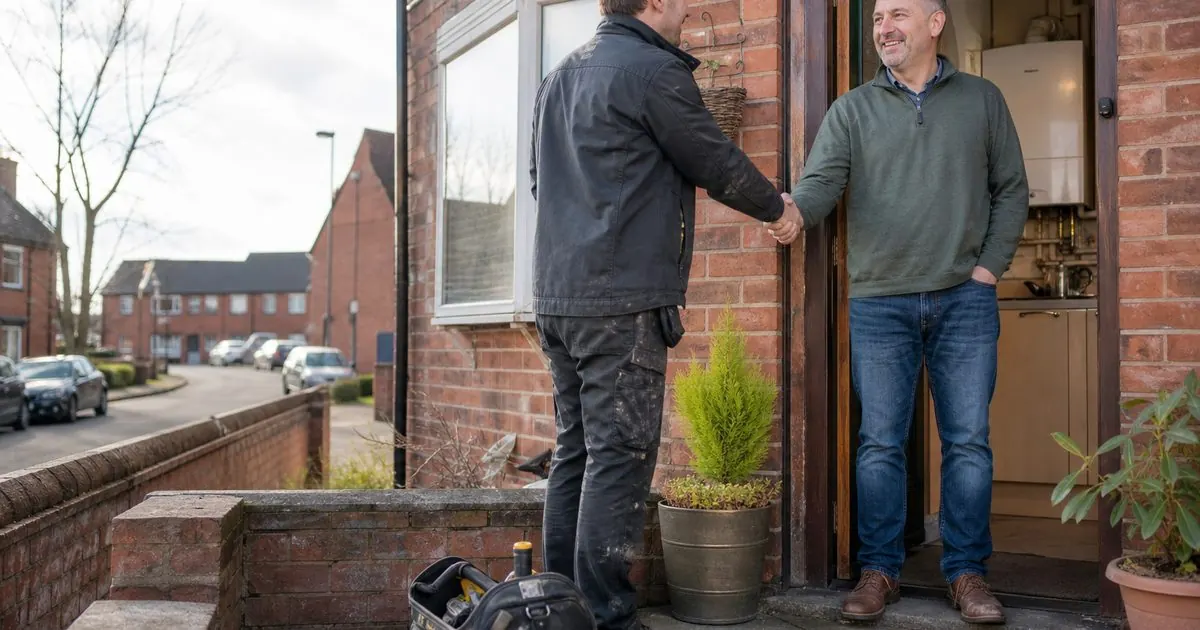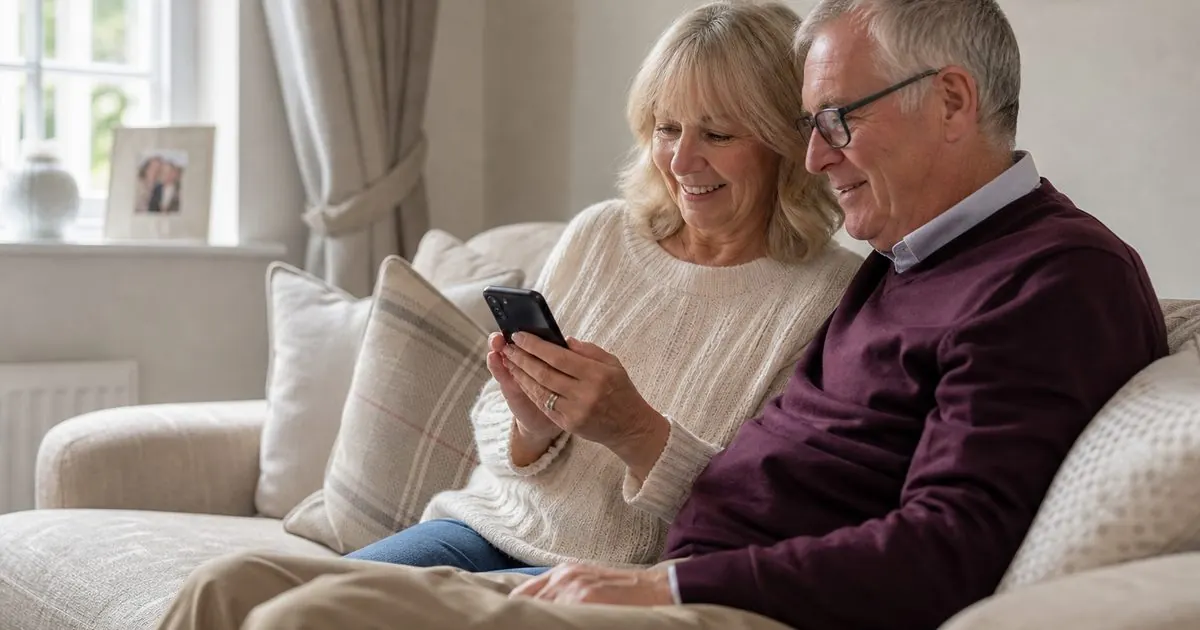
A homeowner fills in your form at 8.40pm on a Tuesday. They also fill in two others. The first firm to reply with something useful usually gets the conversation, the survey and the first say on price. The other two ring the next morning and find someone who is "just getting a few quotes".
This piece is about written enquiries: web forms, Facebook and Instagram lead forms, quote tools and messages. Phone calls that ring out are a different leak, covered in our guide to missed calls.
What the research says
The most quoted study on this is still the 2011 Harvard Business Review audit by Oldroyd, McElheran and Elkington. They sent test web enquiries to 2,241 US companies and timed the replies. Only 37% responded within an hour. Among companies that replied within 30 days, the average first response took 42 hours, and 23% never replied at all.
The striking part was what speed did to results. Firms that tried to contact a lead within an hour were nearly seven times as likely to have a meaningful conversation with a decision maker as firms that waited even an hour longer.
It is old and it is American, so treat it as a direction, not a forecast for your business. But nothing about how UK homeowners buy has made speed matter less. If anything, people now fill in more forms, faster, from their phones.
Why the first reply wins in home improvement
- People ask several firms at once. Comparison is the norm for solar, heat pumps, roofs, windows and driveways. The first firm to talk to them frames what a good quote looks like.
- Interest fades fast. At the moment they submit, they are thinking about your product. By tomorrow lunchtime they are thinking about work, the kids and the car.
- Forms are filled in after hours. Evenings and weekends are when homeowners have time to look. They are also when most offices are shut.
- Late calls go unanswered. Ring a stranger 20 hours after they enquired and you are just another unknown number.
Measure your own speed first
You cannot fix what you have not timed. Do these three checks this week:
- Mystery shop yourself. Have a friend fill in your form on a weekday evening and again on a Saturday morning. Note when the first useful reply arrives and what it says.
- Pull the real numbers. If your CRM records when a lead arrived and when it was first contacted, work out the median gap, not the average (one lead left for a week skews an average).
- Split by source and time. Leads from Facebook forms, website forms and quote tools often get treated differently. So do leads at 10am and 10pm.
Most owners who do this are surprised. A team that feels quick in office hours can still leave a Friday evening lead until Monday.
What counts as a response
An automatic "thanks, we'll be in touch" email is not a response. It gives the homeowner nothing to do, so they carry on filling in other forms.
A real response does one of two things: it asks a question that is easy to answer, or it offers a time. For example:
Hi Sarah, it's Dan at Brightside Solar. Thanks for your enquiry about panels and a battery. Quick one so we can give you useful numbers: roughly what's your monthly electricity bill?
That message gets a reply, and the reply starts a conversation you can steer towards a booked survey.
Before you send by WhatsApp or SMS, make sure your form says so. Meta's guidance on WhatsApp opt-in says people must be told clearly which business they are agreeing to hear from. A line under the submit button covers it: "By sending this, you agree that [business] can contact you by phone, text, WhatsApp and email about your enquiry."
The first 48 hours, step by step
| When | What happens | Who does it |
|---|---|---|
| Within seconds | Personal message by WhatsApp or SMS asking one easy question | AI assistant or automation |
| Within seconds | Alert to the rep or office with the lead's answers and source | Automation |
| Next few minutes | Qualifying questions, common objections handled, survey slots offered | AI assistant, or a person if available |
| Within 5 minutes, in working hours | Call if they have not replied to the message | Your team |
| Same evening or next morning | Second message with a different angle, such as a short video or review | Automation |
| Day 2 | One more call attempt at a different time of day | Your team |
| Any time they reply | Sequence stops, conversation goes to a person or carries on with the assistant | Automation |
Two rules hold it together. Stop the automated messages the moment the person replies, so they never get a "just checking in" after they have booked. And pace the calls: two well-timed attempts beat six in an afternoon.
After 48 hours, the lead moves into a slower follow-up plan. If they get a quote and go quiet, that is a different job, covered in our piece on quotes that go quiet.
Handle the objection while they are still warm
Speed is not only about saying hello quickly. It is about answering the question that would otherwise stop them, while they are still interested. On a live solar account we run, a lead said cost was the worry. The AI assistant offered 0% finance and the appointment was booked in under a minute. Had that lead waited until the next day for a callback, the cost worry would have sat with them overnight.
The assistant can only do this with answers you have given it. Write down your five most common objections (price, finance, disruption, timing, "I need to ask my partner") and the honest answer to each before you automate anything.
Driveways: why the first firm round to measure wins
Driveways show the speed problem clearly, which is why we have folded it into this piece. Buyers usually ask several local firms for a quote, the work is visual and the first firm that turns up to measure tends to set the price everyone else is compared against.
What helps driveway and landscaping firms in particular:
- Ask for photos in the first message. "Could you send a couple of photos of the drive as it is now?" Homeowners are happy to do this on WhatsApp, and it lets you spot unsuitable jobs before you drive out.
- Offer a measure-up slot straight away, ideally within the week. In spring, when everyone wants a new drive before summer, the firm with the earliest slot often wins by default.
- Send examples of similar jobs nearby. Finished drives in their area answer "are they any good?" before they ask it.
- Keep it going after the visit. If the quote is not accepted in a few days, a short, polite follow-up beats silence.
More on how we approach the trade is on our driveways and landscaping page.
Where we fit
We set this up as part of the system: an AI assistant that replies to every enquiry in seconds, day, night and weekends, asks your qualifying questions, handles objections with the answers you approve and books the survey into the right rep's diary. Follow-up sequences take over for anyone who does not book straight away, and everything is logged in Installer Flow, our own CRM. Eco Green Energy Group used the assistant instead of hiring office staff to book appointments. Their MD, Ewan McNeil: "A lot of the enquiries come in at a weekend and late at night. It helps us close more deals."
If you want to know how quickly your enquiries really get answered, book a video call. We will look at your current setup with you and show you where the gaps are.
Sources
- Harvard Business Review: The Short Life of Online Sales Leads (Oldroyd, McElheran and Elkington, 2011)
- Meta for Developers: getting opt-in for WhatsApp
- WhatsApp Business Messaging Policy (Meta)
Questions owners ask
How fast should I respond to a new lead?
Aim for a useful reply within five minutes, at any hour, and a conversation with a person or a properly set up assistant within the hour. A useful reply asks a question or offers a time. An automatic email saying someone will be in touch does not count, because it gives the homeowner nothing to do.
Is it pushy to reply instantly?
Not if the reply is helpful. The homeowner has just asked you to get in touch, so a quick, friendly message feels like good service. What feels pushy is volume: several calls in a row, messages late at night, or carrying on after they have said no. Reply fast, then pace the follow-up sensibly.
Do I need AI to respond quickly?
Not if someone in your business can reply within minutes every evening and weekend. Most installers cannot, because the people who would reply are fitting, surveying or off duty. That gap is where an AI assistant helps: it covers the hours your team cannot, then passes warm conversations to them.