Most trade and home improvement businesses grow on word of mouth until it stops being enough. Then the question becomes how to generate leads online without wasting money on clicks that never turn into jobs. This guide covers the channels that work, what has to sit behind them, and the numbers that tell you whether it is working.
Start with the job, not the channel
Before choosing Facebook, Google or anything else, get clear on three things:
- Which jobs you want more of. A full solar and battery system, a rewire, a new kitchen. Not "more work".
- Where you want them. The postcodes your team can reach without losing half a day in the van.
- How many you can handle. Leads you cannot answer quickly are worse than no leads, because they cost money and damage your name.
Write this down. Every decision after this, from the ad to the questions on your form, comes back to it.
The main ways to generate leads online
Facebook and Instagram ads
Social ads reach homeowners before they start shopping around. For considered purchases such as solar, heat pumps, windows or extensions, this is usually where the volume comes from, because a short video can build trust before anyone has picked up the phone.
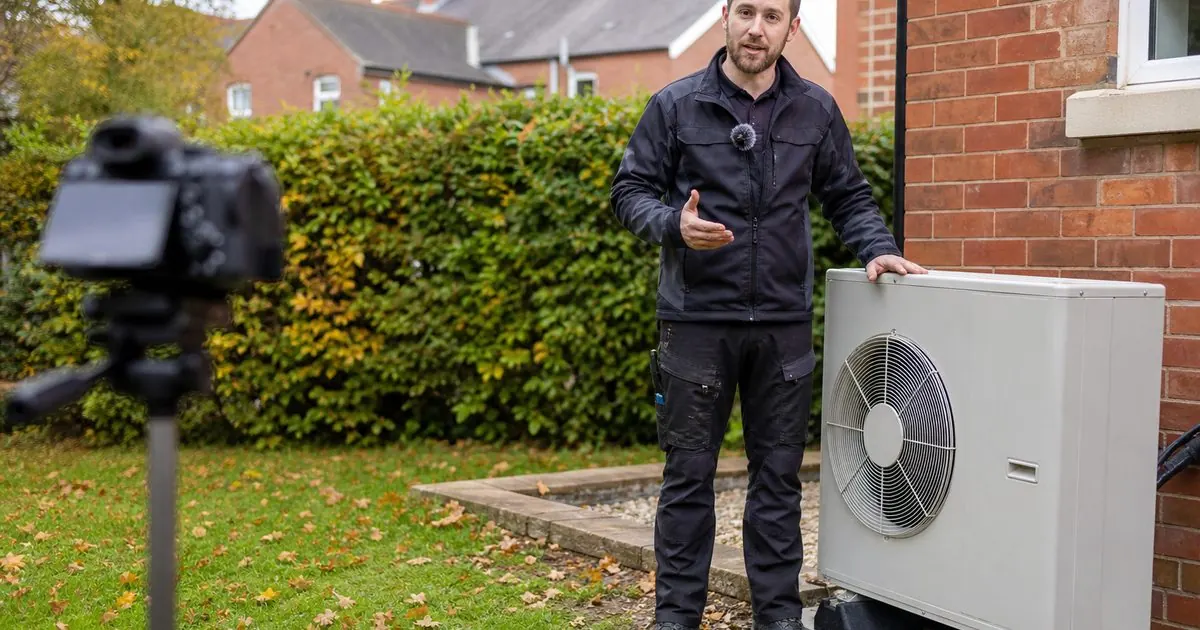
What works: real video of your team, your installs and your customers. What does not: stock photos and generic offers that look like every other firm. If you want the detail, our guide on why Facebook leads don't answer the phone covers the most common problem.
Google search ads
Google catches people who are already looking: "boiler replacement near me", "roofer Ipswich", "solar panels cost". These leads are often closer to buying, but the clicks cost more and the competition is visible right next to you. The money is won or lost in the search terms, so check them weekly and add negative keywords. More on that in the search terms quietly wasting your Google Ads budget.
SEO and your Google Business Profile
Organic search and the map results take longer to build but keep working after you stop paying. The basics: a fast site with a page for each service you offer, a properly filled Google Business Profile, and a steady flow of genuine reviews. It is also how you get recommended by AI search tools, which lean on the same signals. See Google map pack and local SEO for trades.
Your own audience
Past customers, old quotes that went quiet and people who enquired but never booked are the cheapest leads you will ever get. A simple follow-up and referral routine often finds work you have already paid for once. See reactivating old leads.
What has to sit behind the ads
This is where most online lead generation fails. The ad gets the click, then the enquiry lands somewhere nobody is watching.
A landing page, not your homepage
Send ad traffic to a page built for one job, with a clear headline, proof from local customers and a short form. A homepage gives people ten things to click and the enquiry form is one of them.
Questions that qualify
A few questions before the contact form save your team hours: do they own the property, what do they want, roughly when, and their postcode. Fewer questions bring more leads and worse ones. More questions bring fewer and better ones. Tune it to how many appointments you can actually run. Our guide to how many qualifying questions to ask goes deeper.
A reply in minutes, not hours
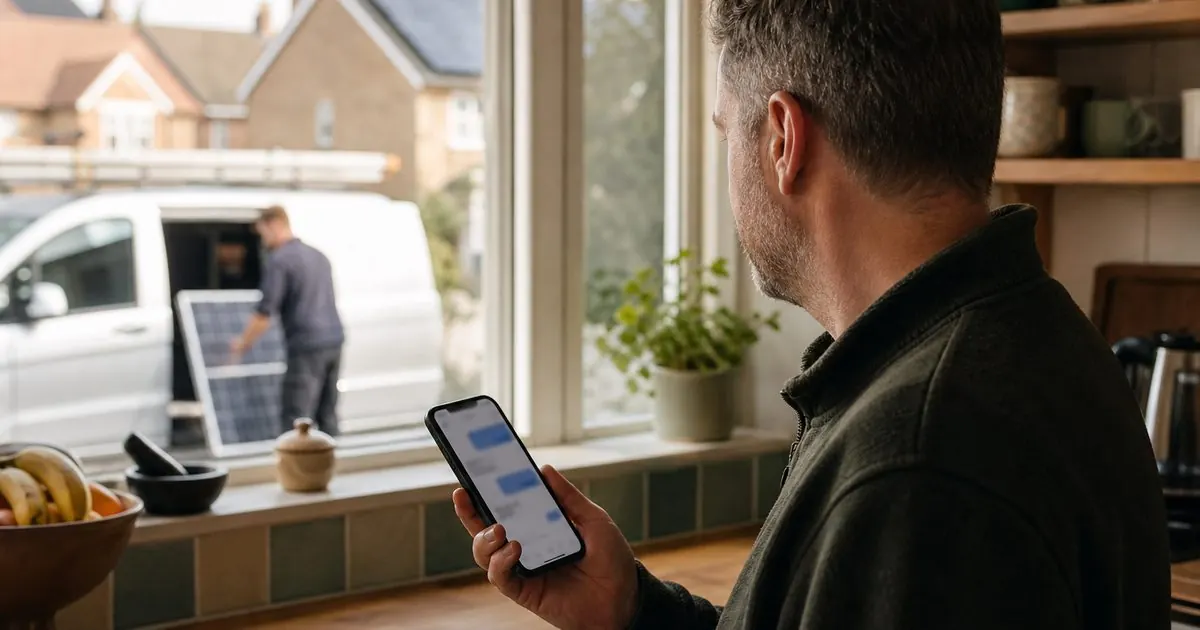
Speed matters more than almost anything else. A lead that hears back while they are still on their phone is far more likely to book than one called the next morning. If nobody can answer in the evening or at weekends, an AI assistant can reply, answer the usual questions and book the appointment straight into your diary. The real example on our site shows a solar enquiry that said "cost" being offered 0% finance and booked in under a minute. More in the five-minute rule.
A CRM that does not forget
Every lead in one place, tagged by where it came from, with reminders that cut no-shows and follow-up that keeps going after the first call. A spreadsheet works for ten leads a month. It falls apart at a hundred.
The numbers that matter
Cost per lead is the number everyone quotes, and it tells you the least. Track these instead, by source:
| Measure | What it tells you |
|---|---|
| Cost per lead | What it costs to get an enquiry |
| Lead to appointment rate | Whether your follow-up and qualifying work |
| Cost per appointment | What a sat appointment really costs |
| Close rate | Whether the leads and the sales process match |
| Cost per sale | Whether the whole thing makes money |
For context, across the live Meta accounts we run, cost per lead averages £19.41, ranging from £11.90 to £36.56 depending on the service, the area and how tight the qualifying is. But the number that let Pure Volts scale their ad spend from around £2,000 to over £20,000 a month was cost per sale, which in Ali's words stayed within three to five hundred pounds. Try your own figures in our free lead cost calculator.
A simple 30 day plan
- Week one: decide the jobs, areas and capacity. Collect five to ten photos or short videos of real jobs and two or three customer reviews.
- Week two: build one landing page with three or four qualifying questions, connect it to wherever leads will live, and set up instant replies.
- Week three: launch one Facebook campaign and, if people search for your service locally, one Google search campaign. Small budgets, tight areas.
- Week four: look at cost per appointment, not just cost per lead. Fix the biggest drop first, then decide where to add budget.
Common mistakes
- Running ads before anyone can answer the leads quickly.
- Judging a campaign on clicks or likes.
- Buying shared leads and wondering why they never pick up.
- Changing everything at once, so you never learn what worked.
- Stopping after one month, just as the data starts to mean something.
Want it done for you?
We build and run the whole thing for renewables, home improvement and home service businesses: the filming, the ads, the landing page, the AI follow-up and the CRM behind it, with leads that are yours alone and one business per area. If you would like to see what it would look like for your business and your area, book a video call or send us a message.
Questions owners ask
What is the fastest way to generate leads online?
Paid ads. Facebook and Instagram can put a video of your work in front of local homeowners within days, and Google search ads catch people already looking. SEO and reviews take longer to build but cost less per lead once they work, so most businesses run both.
Should I buy leads instead of generating my own?
Bought leads are quick to switch on but are often shared with several other firms and sit under someone else's name. Your own campaign takes a few weeks to build, but every enquiry is yours alone and the audience and data stay with you.
How many leads do I need?
Work backwards from the jobs you want. If you close one in four appointments and book one in three leads, you need roughly twelve leads per job. Your own booking and close rates matter more than any industry average.