Before most people book a garden room visit, they ask someone they know. Increasingly, "someone they know" is a local Facebook group: the village page, the town noticeboard, the parents' group. "Has anyone had a garden office built? Who did you use, and would you recommend them?" Within an hour there are 30 replies.
Those threads decide a lot of garden room sales. If your name comes up with photos and praise, you are on the shortlist before the buyer has seen a single ad. If a competitor's name comes up three times and yours does not, your ads are fighting uphill. If someone posts a complaint about you, it can undo months of marketing.
This article is about winning that conversation honestly.
Why garden room buyers ask the group
Garden rooms are expensive, permanent and visible from the house every day. Buyers know that a bad one is hard to fix. And many have no friend or family member who has bought one. So they turn to the next best thing: local people who have.
Groups also answer questions an ad cannot:
- "Is it warm enough in winter?"
- "Did they sort the electrics themselves?"
- "Did it come in at the price they quoted?"
- "How long did it take from order to install?"
- "Did you need planning?"
Every one of those is a trust question. Nobody believes the company's own answer as much as they believe a neighbour's.
Earn the mentions, do not fake them
The temptation is to get staff, friends and family to reply to every "who can recommend" post. Do not. Group members can usually spot it, admins remove it, and it destroys trust when someone notices.
What works instead:
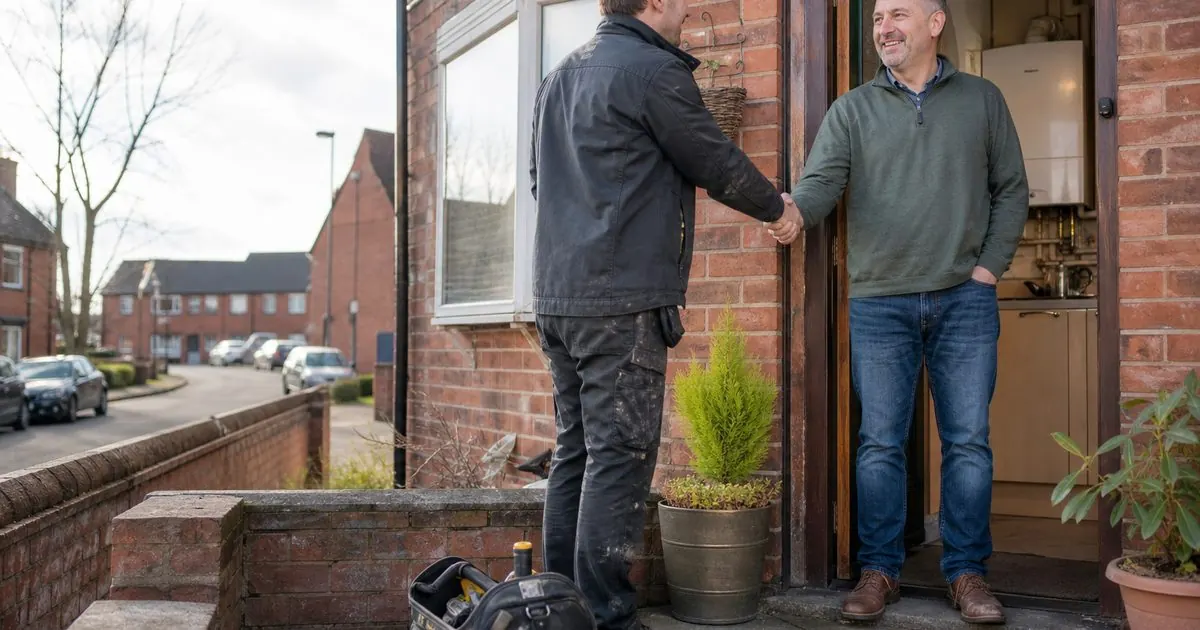
- Ask happy customers directly. At handover, say: "If you ever see someone asking about garden rooms in a local group, we'd love it if you mentioned us." Most people are glad to.
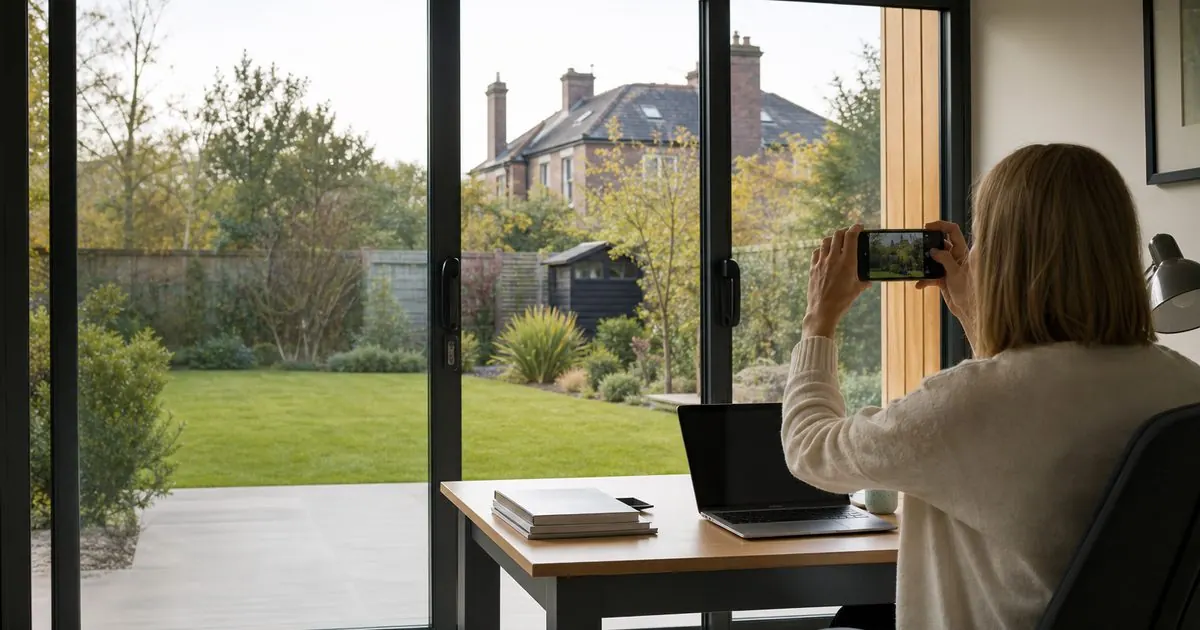
- Give them something to share. A few good photos of their finished room that they can post. People recommend more readily when they have nice pictures to show.
- Follow the group rules. Many groups allow business posts only on a set day or in a weekly thread. Use those slots for genuinely useful posts: a finished project in the area, a short planning explainer, a seasonal tip.
- Answer questions, not just requests. When someone asks "do I need planning for a garden room near my fence?", a short, helpful answer from you (with a link to the Planning Portal) builds more trust than a sales pitch.
Reviews: where buyers check you next
After the group, buyers look you up. Google reviews come first for most people, then sites like Trustpilot, Houzz or specialist garden room directories. They are looking at three things: how many reviews, how recent, and how you deal with problems.
Ask at the right moments
Garden rooms have two natural moments to ask:
- At handover. The customer is excited and has just seen the finished room. Ask for a short review and a couple of photos.
- After the first season. Two or three months later, especially after the first cold spell, ask how they are finding it. These reviews are gold because they answer the "is it warm in winter?" question that every buyer worries about.
Make it easy
Most people mean to leave a review and forget. An automated message at each moment, with a direct link to your Google review page, fixes that. AI follow-up can send it at the right time, chase once politely, and flag any unhappy reply to you before it becomes a public complaint.
Ask for the right detail
Reviews that mention the use, the town and a specific detail are far more persuasive than "great service". You cannot write it for them, but you can prompt: "If you can, mention what you use the room for and anything that stood out." Our article on reviews that rank explains why the town and job matter for search too.
Stay inside the rules
Reviews are now a legal issue, not just a marketing one. As of November 2026:
- Fake reviews are banned. Since 6 April 2025, under the Digital Markets, Competition and Consumers Act 2024, writing, commissioning or publishing fake reviews is an automatically unfair practice. That includes reviews from staff or family posing as customers.
- Incentives must not be hidden. The CMA's guidance says concealed incentivised reviews are banned. Google goes further: its policy says businesses must not offer incentives for reviews at all.
- Do not cherry-pick. The CMA guidance warns that suppressing genuine negative reviews or selectively promoting positive ones may break the law, and Google's policy bars selectively asking happy customers for reviews. Ask everyone.
The simple rule: ask every customer, make it easy, never pay or reward for it, and never write one yourself.
Handling the bad one
Sooner or later, someone will post a complaint, in a group or on Google. How you respond is read by every future buyer.
- Reply calmly and quickly, in public, without arguing. "Sorry to hear this, Mark. I'd like to sort it. I'll call you today."
- Take the detail offline, then fix the problem.
- Close the loop in public if you can: "Thanks for letting us put this right." A complaint handled well often builds more trust than ten five-star reviews.
Bring it together
Group recommendations and reviews are slow to build and impossible to buy. That is exactly why they work. A garden room company with 80 recent reviews, a steady trickle of customer mentions in local groups and a few helpful answers from the owner will get more from every pound of advertising than one relying on ads alone.
Feed that proof into everything else: show the reviews on your garden room pages, use customer photos in ads, and make sure your Google profile is complete so the reviews help you appear locally (our SEO and GEO service covers that). For more on getting value from past customers, see your past customers are your cheapest leads.
If you want a review system that runs itself, book a free video call with Tom. We will show you how it works and check whether your area is open.
Sources
- GOV.UK: CMA fake reviews guidance (CMA208)
- GOV.UK: Online reviews and endorsements, information for businesses
- Google Maps user contributed content policy
- Planning Portal: outbuildings, planning permission
Questions owners ask
Can I offer a discount for a garden room review?
Under UK rules in force since 6 April 2025, incentivised reviews must not be concealed, and Google's own policy does not allow incentives for reviews at all. The safest approach is to ask every customer, make it easy, and never tie a reward to leaving a review or to the rating they give.
Should a garden room company post in local Facebook groups?
Only where the group's rules allow it, and never as a stream of adverts. Most groups ban promotion outside a set day or thread. Your best presence there comes from customers recommending you and from being genuinely helpful when someone asks a question.