A lot of good electricians are stuck in the same place: phone ringing all day with socket moves, light fittings, fault-finding and small call-outs. Busy, but not building anything. The van is on the road from eight till six and the margin is thin, because small jobs carry the same travel, parking and admin as big ones.
The way out is not more of the same work. It is deliberately marketing the jobs you actually want: EV chargers, solar and batteries, full and partial rewires, consumer unit upgrades and landlord work. This guide covers how to do that without losing the small-job customers who still feed you referrals.
Step 1: Know which jobs pay
Pull your last six months of invoices and sort them into job types. For each one, work out:
- Average invoice value
- Average time on site, including travel
- Gross profit per hour
- How often it led to a bigger job
Most electricians find that a handful of job types earn far more per hour than the rest. Those are the ones to market. The others still have a place, but they should not be what your ads, website and Google listing lead with.
Step 2: Pick your higher-value lines
EV chargers
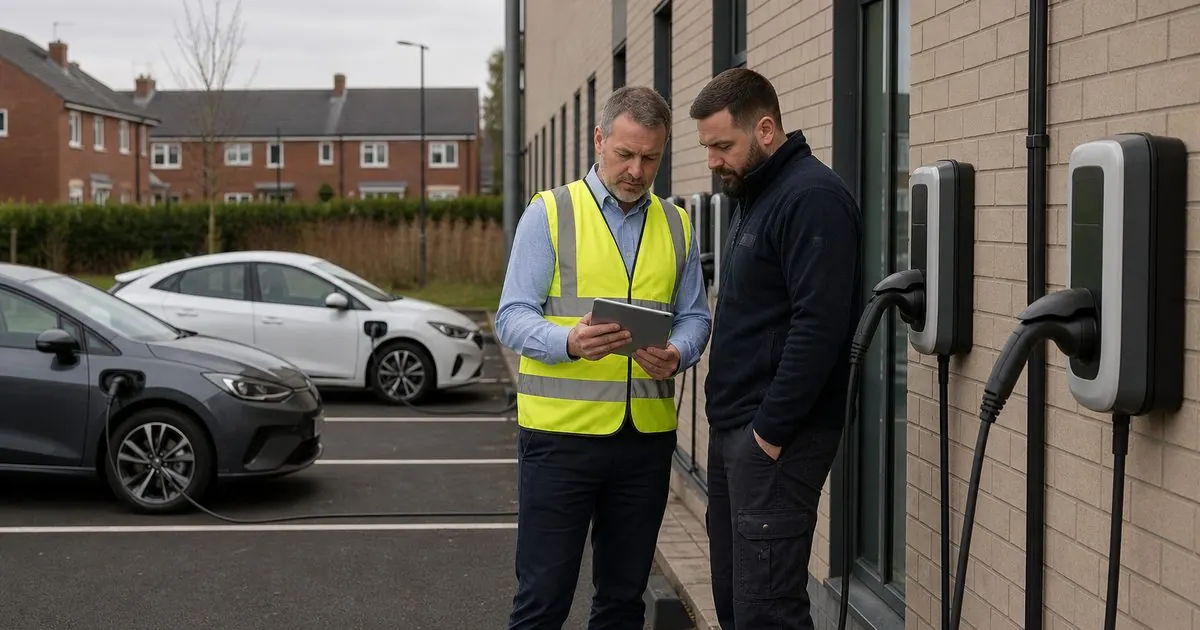
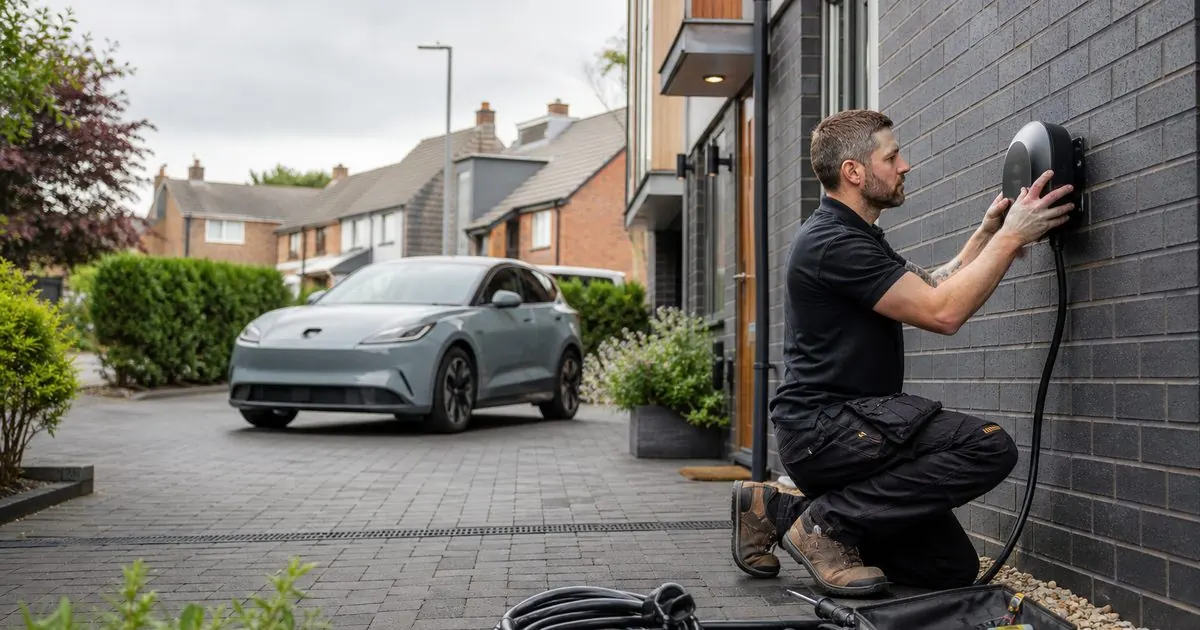
A home charger is a clear, repeatable job with a clear price, and buyers often want it quickly after collecting a new car. As of November 2026, GOV.UK's grant for renters and flat owners covers 75% of the cost of buying and installing a chargepoint socket, up to £500. That gives you a reason to market to people in flats and rented homes, a group many installers ignore. Check the current eligibility and installer rules on GOV.UK before you mention the grant in ads, and make sure you meet them. Our EV charging page shows how charger campaigns are built.
Solar panels and batteries
Solar and battery work is far higher value than typical domestic electrical work. If customers want export payments under the Smart Export Guarantee, the installation generally needs MCS certification or an equivalent, so either get certified or partner with an MCS installer. Battery retrofits for homes that already have panels are a natural fit for electricians, because the customer already trusts you with the board. See our solar and battery page for how that market buys.
Rewires and consumer unit upgrades
These are often found during small jobs: old fuse boxes, no RCD protection, tired wiring in older houses. Instead of a line on an invoice ("recommend upgrade"), give the customer a proper written quote, photos of what you found and a follow-up a week later.
Landlord and letting agent work
In England, private landlords must have the electrics in their rented properties inspected and tested at least every five years by a qualified and competent person, and fix anything the report says needs doing. That means a steady stream of EICRs, and remedial work behind them. One letting agent relationship can be worth more than a hundred one-off call-outs. Market to agents directly: a simple page for landlords, a clear turnaround time and a report they can forward to the tenant.
Step 3: Give each service its own page and its own ads
A homepage that lists "domestic, commercial, industrial, EV, solar, PAT testing, fault finding" ranks for nothing and convinces nobody. Each higher-value service needs:
- Its own page on your website, with real photos of your installs, a rough idea of what affects the price, the questions people actually ask, and your accreditations.
- Its own ad campaign. Someone searching "home EV charger installer" should land on the EV page, not your homepage.
- Its own enquiry form questions. For EV: what car, where do you park, how far is the board from the parking spot? For rewires: age of property, occupied or empty, any recent work?
On Google Ads, split campaigns by service so you can see the cost per job for each and put money where the margin is. Add negative keywords for "jobs", "apprenticeship", "course" and "salary" so you are not paying for job seekers.
Step 4: Turn small jobs into the next big job
Your small-job customers are the cheapest source of bigger work you will ever have. They have already let you into their home. Use a simple system:
- Note what you saw. Old consumer unit, no EV charger but an electric car on the drive, south-facing roof, plug-in heaters everywhere. Record it on the job in your CRM.
- Follow up with one relevant offer. Not a newsletter. A short message: "When I was at yours last week I noticed the fuse board is the old type. Happy to quote for an upgrade if useful."
- Ask for a review and a referral at the end of every job.
- Check in once or twice a year with something useful: a reminder that an EICR is due, a note about new grant rules.
A CRM does this without you having to remember. See past customers are your cheapest leads for the full routine.
Step 5: Price to filter
If you want fewer small jobs, make them pay properly. Set a sensible minimum charge for call-outs and stick to it. You will lose some tiny jobs, and that is the point. The time you free up goes into quoting and fitting work that builds the business.
Step 6: Plan for capacity
Higher-value work tends to come in bigger chunks. A rewire or a solar install may take a team several days. Before you push hard on ads, check:
- Do you need a second electrician or an improver?
- Can you buy materials at better rates if you commit to volume?
- Who does the quoting and follow-up while you are on the tools? (If the answer is "no one", the leads will go cold. See missed calls are missed jobs.)
The short version
Stop marketing "electrician". Market the jobs you want: EV chargers, solar and batteries, rewires, consumer units and landlord work. Give each its own page, ads and questions. Turn every small job into a note and a follow-up. And make the small stuff pay or let it go.
If you want campaigns built around the higher-value electrical work you actually want, book a call with us and we will check whether your area is open.
Sources
- GOV.UK: Electric vehicle chargepoint grant for renters or flat owners
- GOV.UK: Electrical safety standards in the private rented sector, guidance for landlords, tenants and local authorities
- Ofgem: Smart Export Guarantee (SEG)
Questions owners ask
Do electricians need MCS to sell solar panels?
If your customers want to be paid for exported electricity through the Smart Export Guarantee, the installation generally needs MCS certification or an equivalent. Many electricians either get certified or partner with an MCS-certified installer. Check the current MCS and Ofgem requirements before you advertise solar work.
Is EV charger installation worth it for a small electrical firm?
For many firms, yes. It is a defined, repeatable job with a clear price, often done in a day, and it pairs naturally with consumer unit upgrades, solar and batteries. The key is to market it as its own service with its own page and ads, not as a line on a generic list.