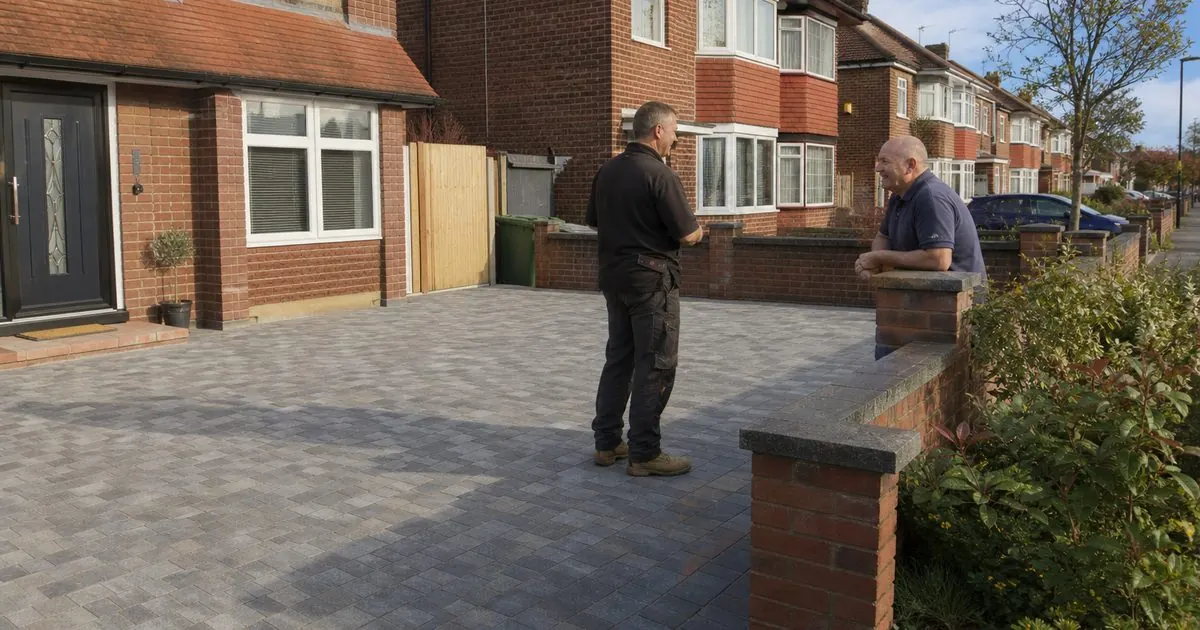
A driveway is the most visible job in home improvement. A new kitchen is seen by the family and a few friends. A new driveway is seen by every neighbour, every dog walker and every car that drives past, every day, for years.
That makes each finished job a free advert on the street where your next customers live. Their houses are the same age, built the same way, with the same tired drives. Many of them have been thinking about it for a while. Seeing the house next door transformed is often the nudge they needed.
Most firms leave this to chance. A neighbour might wander over and ask for a card. The firms that do well plan for it on every job.
Why neighbours are the best leads you will get
- They have seen the result. No photo or ad is as convincing as walking past your work every morning.
- They have seen you work. How tidy the site was, how polite the crew was, whether you blocked their car in. This cuts both ways, so behave accordingly.
- They can ask your customer. A recommendation over the garden wall is the strongest referral there is.
- Similar houses mean similar jobs. Same size drive, same access, similar budget. You can quote quickly and accurately.
- It is cheaper to work nearby. Shorter travel, possibly shared skip and plant if two jobs line up.
Before the job: the neighbour letter
Before you start, put a short, friendly letter through the doors either side and across the road. Its main job is courtesy, and that alone wins you points:
- When you will be working and for how long.
- What to expect: a skip, a digger, some noise, deliveries.
- A name and number to call if anything causes a problem.
- One line at the end: "If you've been thinking about your own drive, we're happy to have a look while we're here."
A thoughtful letter sets you apart from the firms neighbours are wary of, and plants the idea early.
During the job: the site board
A tidy, professional site board at the front of the job tells every passer-by who is doing the work. Keep it simple: your name, the type of work, a phone number and a web address or QR code that goes to a page about driveways in that town. Always ask the customer first.
The crew matters as much as the board. A neat site, workwear, vans parked considerately and a friendly word to neighbours do more than any sign.
After the job: the street campaign
When the drive is finished and the customer is happy, that is the moment to market to the street.
1. Ask the customer
Ask permission to use photos and, ideally, a short video of them talking about the job. Ask if they would be happy for neighbours to know who did it. Most are proud of their new drive and say yes.
2. Film it
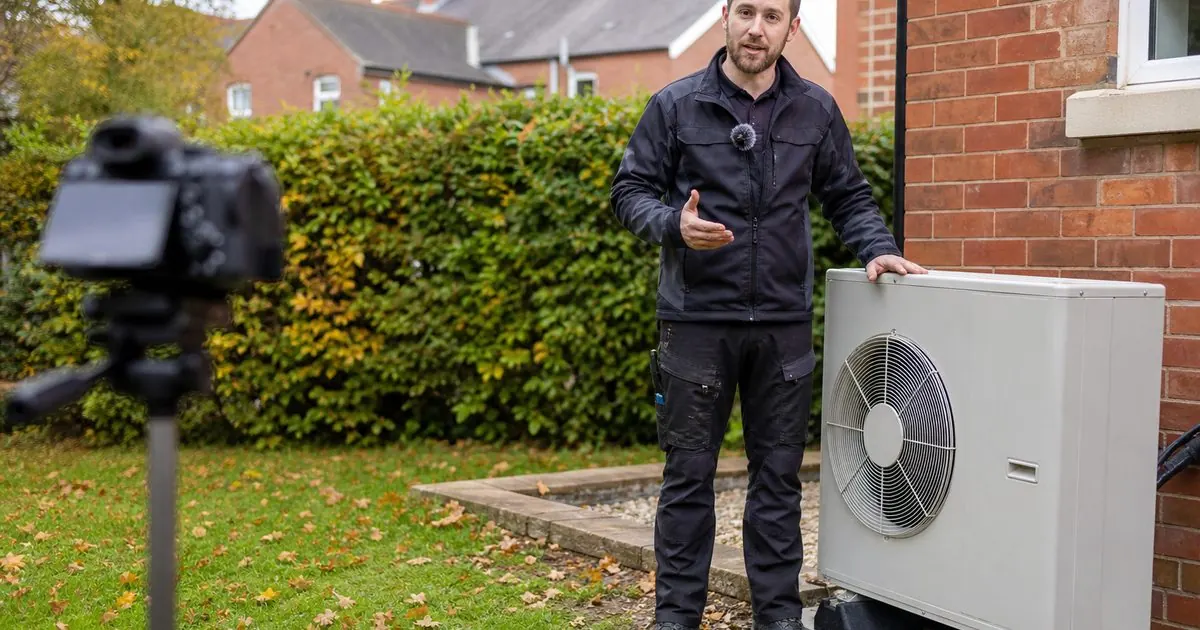
Before and after from the same spot on the pavement is the most powerful driveway content there is. Add a 30-second walk-round with the customer, and short clips of the crew working. Video of real work on a real street beats any stock photo. Our general guide to customer testimonial videos covers how to film them well. Our videography team can capture a batch of these on a single shoot day.
3. Run hyper-local ads
This is where it gets clever. On Facebook and Instagram you can target people living around a specific location. Run ads to the surrounding streets showing the finished drive:
"We've just finished this driveway on [street name]. If yours could do with the same, we're working in [area] this month."
Mentioning the street is powerful, because people recognise it. Showing a house just like theirs makes it real. If you can offer a slot while you are already in the area, say so.
Very small radius audiences can be slow to spend and expensive, so it often works better to group several recent jobs in one area into a single campaign. Rotate the creative so each ad shows a job close to the people seeing it. Our Facebook and Instagram ads service can run these as a rolling "recent jobs near you" campaign.
4. Drop a card
Put a short card through nearby doors: a before and after photo of the finished drive, your details and a simple offer of a free survey. Respect "no junk mail" signs. Do not knock. Driveway firms that knock on doors look exactly like the doorstep traders that Trading Standards warn people about (see proving you're the legitimate firm).
5. Thank the neighbours
A quick note to the houses either side when you finish, thanking them for their patience, is a small touch that people remember.
Track the streets that buy
Log every enquiry with its postcode and where it came from: the board, the letter, the card, the ad or the customer. After a season you will see patterns. Some estates convert again and again, because the houses are similar and neighbours talk. Others never do. That tells you where to put next year's ad budget and where to push for more jobs.
It also shows you the true value of a good job. A driveway that leads to two more on the same street is worth far more than its invoice, which is a good reason to make every job one the neighbours want to copy.
If you run a driveway or landscaping business and want every finished job to bring in the next ones, book a free video call with Tom. We will show you how the street campaigns work and check whether your area is open.
Sources
- Bromley Council: Trading Standards alert on driveway work (advice on doorstep leaflets)
- ICO: sending direct marketing, choosing your lawful basis
Questions owners ask
Is it legal to put leaflets through neighbours' doors after a driveway job?
Unaddressed leaflets through doors are generally fine, but respect 'no junk mail' signs and keep the tone helpful. Addressed letters or anything using personal data bring in data protection rules. Never knock on doors to sell, because that is exactly what Trading Standards warn homeowners about with driveway work.
How small a radius can driveway ads target on Facebook?
Meta lets you target around a dropped pin or address with a small radius, but very small audiences can be slow to deliver and costly. Many firms group several recent jobs in one area into one campaign so the audience is big enough to run well.