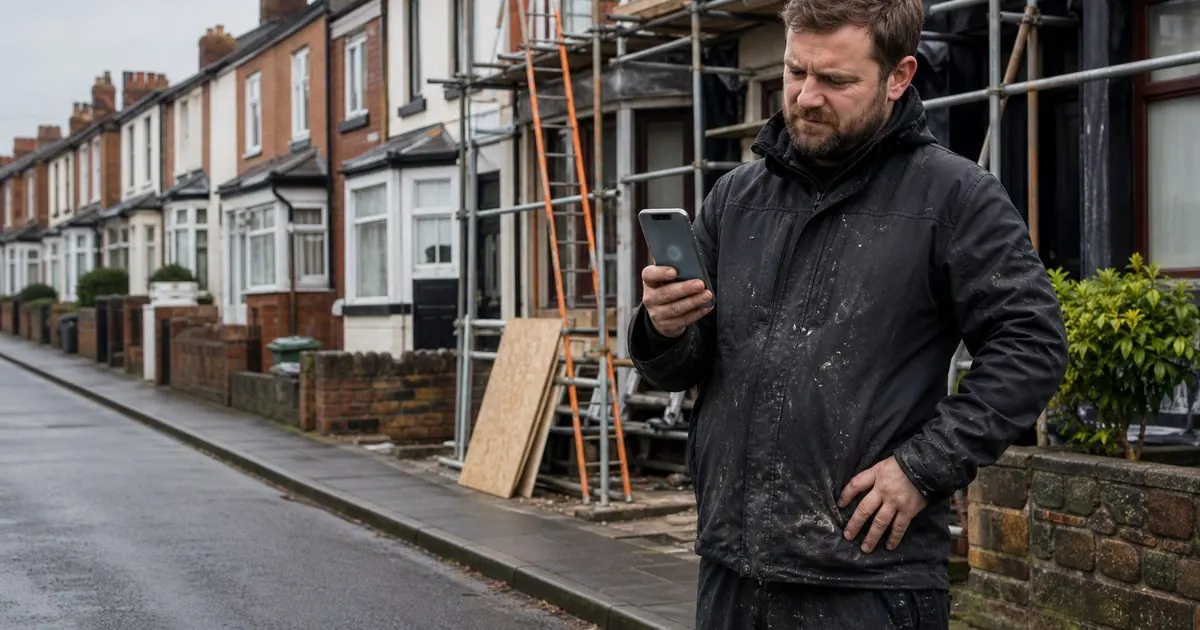
Driveways have a reputation problem that has nothing to do with you. Every few months a council Trading Standards team puts out another warning: a trader knocks on the door, offers to "tidy up" a drive with leftover tarmac, quotes by the square foot, finds "extra work" halfway through and demands a large cash payment. Local news picks it up. Neighbours share it on Facebook.
The result is that many homeowners approach every driveway firm with suspicion, including the good ones. They assume you might be one of them until you prove otherwise. This article is about proving it, fast and clearly.
What homeowners are being warned about
It helps to know exactly what buyers are reading, because your marketing needs to answer it point by point.
In May 2024, Bromley Council's Trading Standards team warned residents about driveway work after a resident was charged by the square foot for cleaning a drive and ended up with a huge bill, and another saw a repair job grow far beyond the quote, with the trader threatening to dig up the drive unless they paid. Their advice to residents included:
- Get at least three written quotes based on a clear brief.
- Accept only a complete total price, not a rate per square foot or per job.
- Check references, reviews, past jobs, insurance and any affiliations the trader claims.
- Get a written contract and cancellation information before work starts.
- Avoid paying large sums upfront, and pay in stages.
- Do not be rushed, and be cautious about doorstep leaflets.
Which? published a similar list of rogue trader red flags in February 2026: unexpected doorstep visits, requests for cash upfront, no business address or landline, no accreditation and poor paperwork.
Read those lists again as a buyer would. Every point is a test your business can pass in public, before anyone picks up the phone.
Never knock
The simplest trust signal is how you find customers. If you never cold call at the door, say so, loudly:
We never knock on doors or offer work on the doorstep. Every job we do starts with you contacting us.
Put it on your website, your ads and your quote. It separates you from the exact behaviour homeowners are warned about. Your marketing should be inbound only: ads, search, reviews, referrals, and the people who see your finished work on their street.
Make the checks easy
Homeowners are told to check your details. Do not make them hunt:
- Company name and number, matching Companies House, in your website footer and on every quote.
- A real business address and a landline, not just a mobile.
- Insurance, with the insurer named and the cover level, and a copy available on request.
- Trade body and scheme memberships, with links so they can verify them. If your local council runs an approved trader scheme, join it and display it.
- Named people. The owner, the estimator and the crew leaders, with photos. Anonymous firms feel risky.
Paperwork that answers the warnings
Your quote and contract are marketing documents. Design them to tick off the Trading Standards checklist:
- A fixed total price for the job described, not a rate per square metre.
- A clear specification: area, material, sub-base depth, edging, drainage, what happens to the old surface and the spoil.
- What could change the price, agreed in writing before it happens. If you find a collapsed drain, you stop and agree the cost first.
- A staged payment schedule. A modest deposit, then payments tied to progress. Never all cash upfront.
- Your guarantee, in writing, with what it covers and for how long.
- Cancellation rights. Where the contract is agreed at the customer's home, the Consumer Contracts Regulations give a 14-day cancellation period, and failing to give the cancellation information for an off-premises contract is a criminal offence. If the customer wants you to start within those 14 days, get that request in writing.
Then show a sample on your website: "Here's what our quotes look like." It answers the question before it is asked.
Show the work, the crew and the process
Rogue traders are faceless. Your marketing should be the opposite:
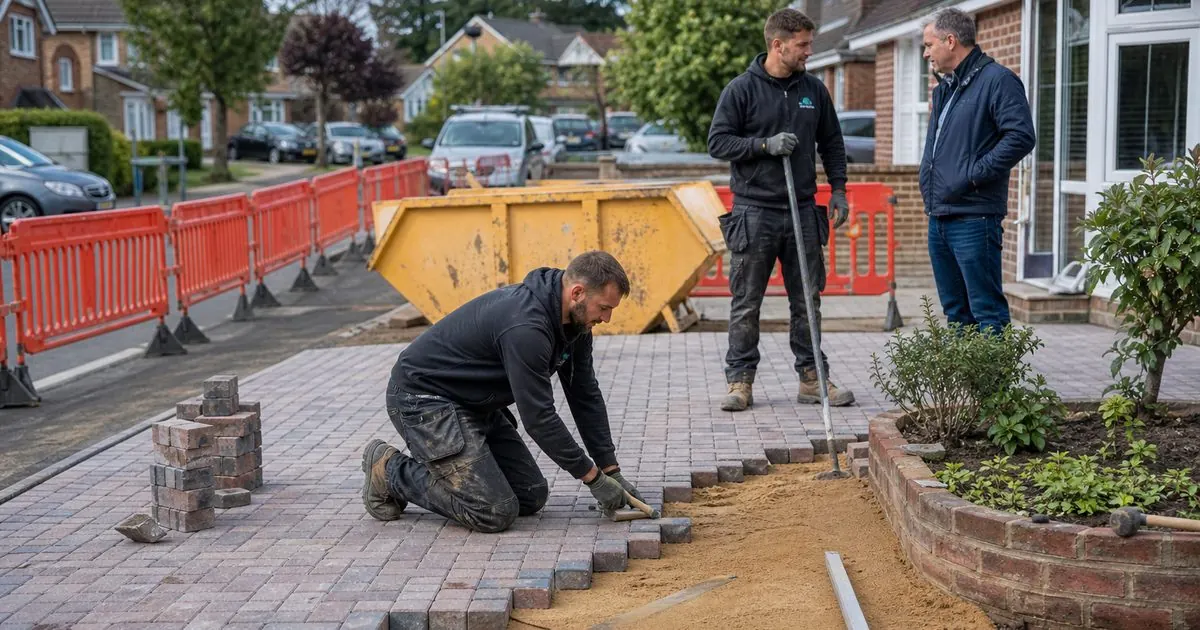
- Video of the crew at work on real jobs: excavation, sub-base, laying, finishing. It shows a proper process, not someone throwing leftover tarmac on a drive.
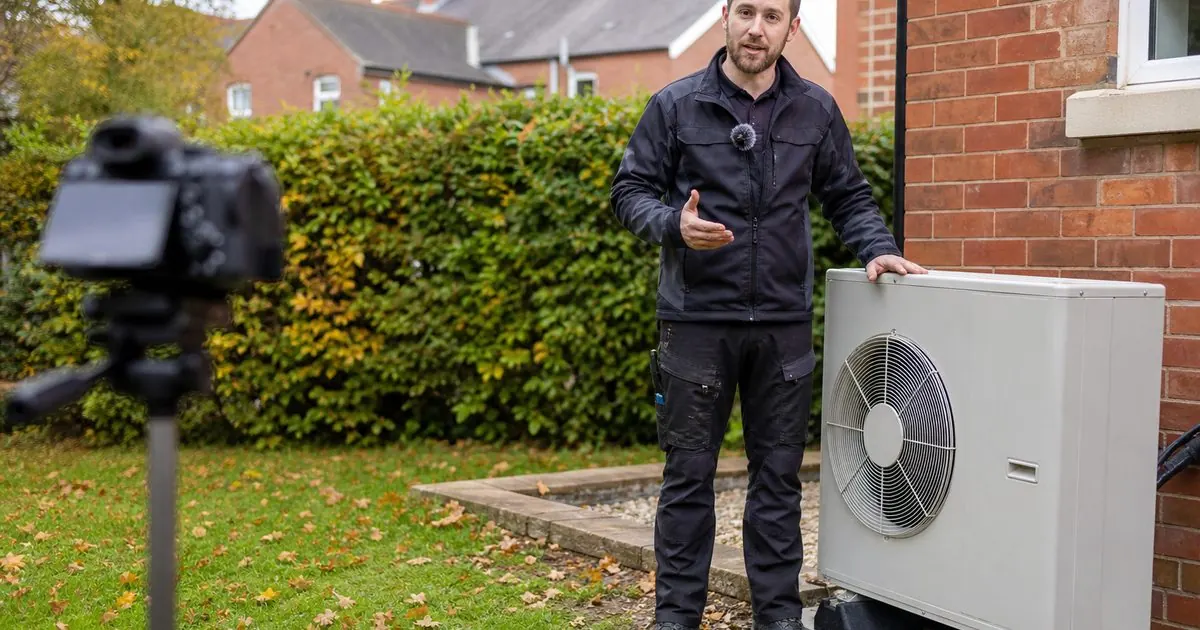
- The owner on camera explaining how you quote, what is included and why you never knock on doors.
- Before and after with the town named, and the customer talking about the experience.
Most homeowners cannot judge a sub-base depth, but they can judge whether a firm looks organised, careful and proud of its work. Our videography team films this kind of footage on site, and our piece on meet-the-team and founder videos explains why faces beat logos.
Reviews that prove you are local and real
Reviews are the first thing a wary homeowner checks. Make sure they say what matters:
- Recent and steady, not 40 reviews from three years ago.
- Mentioning the town and the job, so buyers see you have worked near them.
- With photos where customers are happy to share them.
- With your replies, especially to any complaint.
Ask every customer, at handover, with a direct link. Never write or buy reviews: since April 2025 fake reviews are banned outright under UK consumer law.
Put it all on one page
Build a single "Why you can trust us" page and link to it from every ad, quote and email. Include the no-knocking promise, company details, insurance, scheme memberships, a sample quote, the guarantee, reviews and a short video from the owner. Our website design team builds these as part of a driveway site, because for this trade it is often the page that decides the call.
The wider trust problem across trades is covered in how roofers prove they're not cowboys. For driveways, the trigger is specific: doorstep crime. Answer it directly and you turn the industry's worst reputation into your strongest selling point.
If you run a driveway or landscaping firm and want marketing that makes the legitimacy obvious, book a free video call with Tom and we will check whether your area is open.
Sources
- Bromley Council: Trading Standards alert on driveway work (May 2024)
- Which?: Rogue traders, 5 red flags to look out for (February 2026)
- legislation.gov.uk: Consumer Contracts Regulations 2013, regulation 19
- GOV.UK: CMA fake reviews guidance (CMA208)
Questions owners ask
Should a driveway company ever knock on doors?
We would advise against it. Doorstep selling is exactly what Trading Standards warn homeowners about for driveway work, and it puts you in the same mental box as the rogue traders. A polite letter to neighbours when you are already working on their street is a different thing, and far better received.
What paperwork should a driveway customer receive?
A written quote with a full total price, a written contract with your company details, the payment schedule, the guarantee terms and, where the contract is agreed at the customer's home, written cancellation information for the 14-day cooling-off period. Trading Standards advice tells homeowners to expect all of this.