Whole-house window leads are some of the most competitive in home improvement. The buyer is spending thousands, getting three or four quotes and comparing every one. Ads that ask for a full set of windows often bring expensive leads and long decisions.
Front doors are different. A composite door is a smaller decision, an easy thing to want, and a visual product that looks great in an ad. The leads are often easier to win, and the job is quicker to sell and fit. The catch is that the job value is lower. The way round that is to treat the door as the start of the relationship, not the end of it.
Why doors make a good first sale
- Doors are emotional. People choose a front door the way they choose a car colour. That makes for scroll-stopping creative: bold colours, nice furniture, a before and after on a real street.
- The decision is smaller. A door is a manageable spend, so buyers decide faster and with fewer quotes.
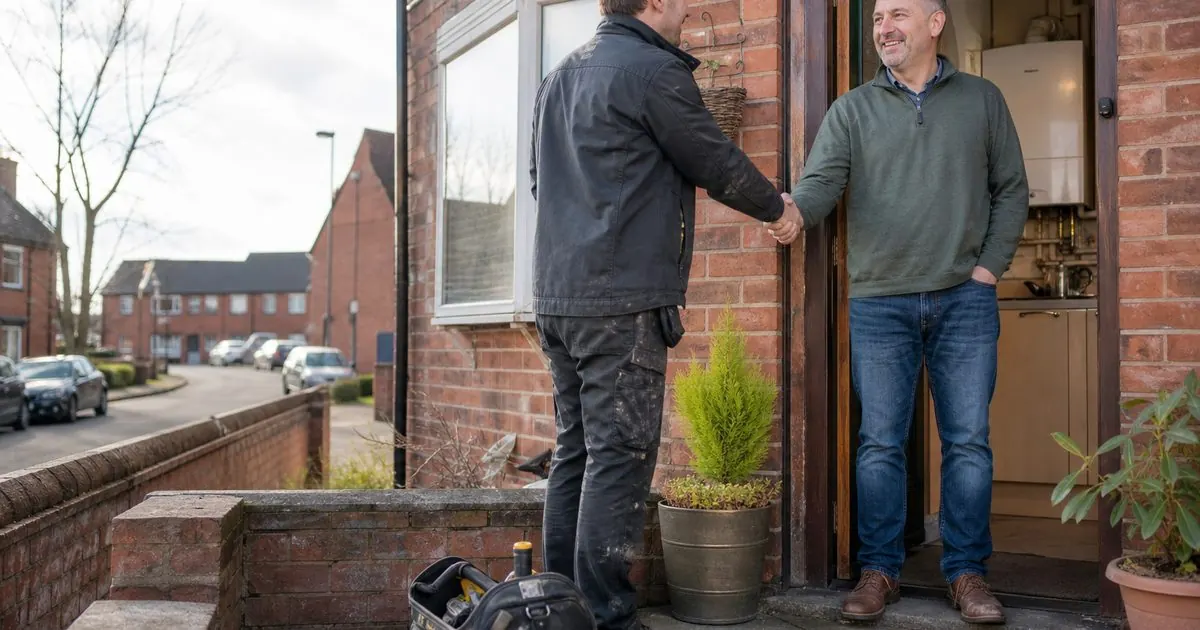
- The survey gets you in the house. While measuring the door, your surveyor sees every window, the back doors and the conservatory.
- It proves you. A buyer who has had a smooth door install, with tidy fitters and good aftercare, is far more likely to trust you with a whole house of windows than a stranger would be.
Many door buyers have windows of a similar age to the door they are replacing. If one is failing, the others may not be far behind.
Build the door campaign to attract the right buyers
Creative that sells the door
- Before and after on real homes. The same doorway, tired old door on the left, new composite on the right. Local streets beat catalogue shots.
- Colour and style choice. A carousel of popular colours, or a short video cycling through finishes, gets people imagining their own.
- A door designer or style picker. Letting buyers choose a style and colour on your landing page is fun, and it gives you useful information before the survey.
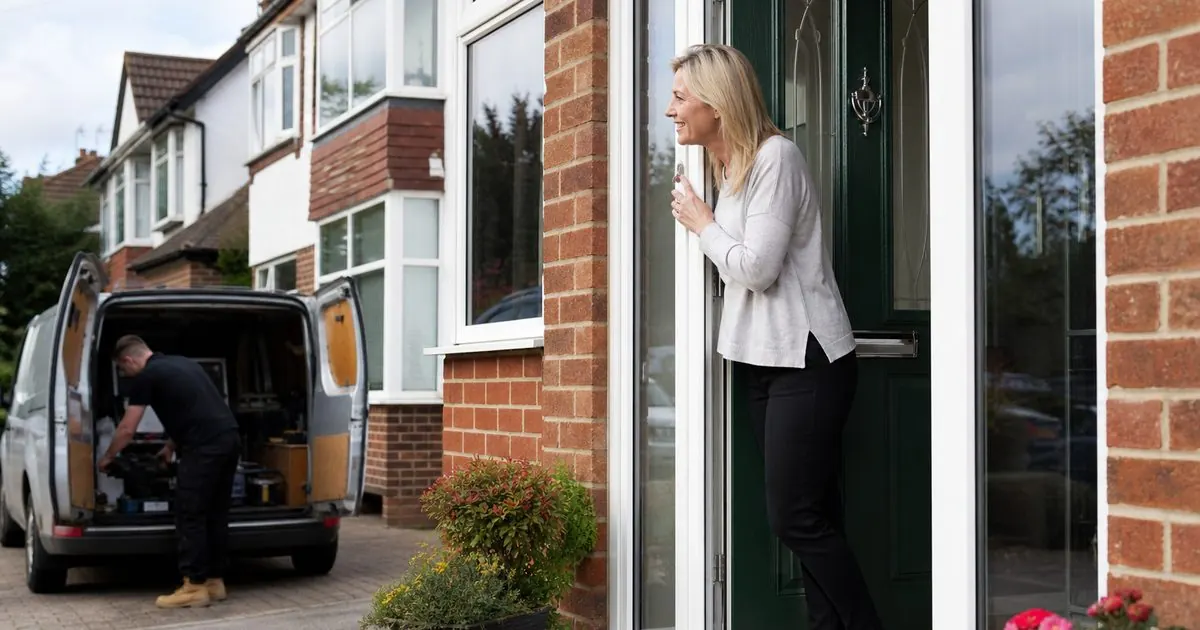
- The fitting. A short timelapse of the old door out and the new door in during a single day answers the "how much disruption?" question.
Landing page questions
Keep the form short, but use it to learn about the bigger opportunity:
- Which door: front, back, French or patio?
- Which style and colour have you got in mind?
- When are you looking to have it fitted?
- How old are your windows? (Under 10 years, 10 to 20 years, over 20 years, not sure.)
- Are you thinking about any other work in the next year or two? (Windows, conservatory roof, nothing else.)
Questions 4 and 5 don't put anyone off, and they tell your CRM which door leads might become window leads.
At the survey: notice, note, don't push
The door survey is your best chance to understand the bigger job, but not the moment to sell it hard. Train surveyors to:
- Look at every window on the way in and out, and note the frame type, rough age and condition.
- Ask one gentle question: "How are you finding the windows, any draughts or condensation?"
- Take photos of the front and rear elevations (with permission).
- Log it in the CRM: windows likely due in under a year, in one to three years, or not for a while.
That's it. Quote the door properly and win the door. Pushing windows at this stage feels like a bait and switch, which is exactly the reputation the industry is trying to leave behind. (More on that in shaking off the pushy salesman image.)
After the door: follow-up that turns into the bigger job
This is where the money is made, and where most firms do nothing. Set your CRM to run a simple sequence based on what the surveyor recorded:
| When | What to send |
|---|---|
| Install day | Thank-you, care guide for the door, warranty details |
| 2 weeks | Review request, asking about the fitting experience |
| 2 to 3 months | A short story about a customer who matched new windows to their door |
| Before autumn | "Draughts and condensation season" check-in for anyone whose windows were flagged |
| Yearly | A check-in on the door, plus any offers on windows or roofs |
Customers whose windows were flagged as "due within a year" should get a personal call from the surveyor, not just a message. "When I was round for the door, I noticed the bay window frames. Would you like me to pop by and price them up while we're in the area?" is helpful, not pushy.
Measure the second sale
Door campaigns only make sense if you measure what happens next. Track in your CRM:
- Cost per door lead and cost per door sale.
- How many door customers had windows flagged at survey.
- How many went on to order windows, patio doors or a conservatory roof, and when.
- Total revenue per door customer over two years.
Once you have six to twelve months of data, you'll know what a door lead is really worth to you, and you can spend on door campaigns with confidence. The wider method for tying spend to profit is in which marketing actually makes you money.
Rules to get right
Replacement doors, like replacement windows, are controlled fittings under the building regulations. Doors must meet energy efficiency standards, safety glazing rules apply to glazed doors up to 1500mm from the floor, and for homes built since 1999 a level threshold at the main entrance must stay level. Use a competent person scheme so your customer gets a certificate. Mention it in your marketing: it reassures buyers and separates you from cheaper, unregistered fitters.
How we help
We build door-led campaigns for window and door firms, with the creative, the landing page questions and the CRM sequences that turn a door customer into a windows customer later. Leads are exclusive to you, and one firm per area. See our windows and doors page.
If you are paying a lot for whole-house window leads, book a video call and we'll look at whether a door-led route could work in your area.
Sources
Questions owners ask
Are composite door leads worth it if the job value is lower?
Judge them on what each door customer is worth over time, not on the first job alone. If a meaningful share go on to buy windows, French doors or a conservatory roof within a couple of years, a cheaper door lead can be one of your best investments. Track it in your CRM to find out.
When should I offer windows to a door customer?
Mention it lightly at the survey, note the age and condition of their windows, then wait until the door is fitted and they are happy. A check-in a few months later, ideally before autumn when draughts are noticed, usually lands better than a hard push during the door sale.