Ask a commercial prospect what would make them sign, and many will say some version of "show me someone like us who has done it". Then look at most installers' websites. There is a gallery of roof photos, a few logos, and maybe a quote from "a satisfied customer in the Midlands". None of that answers the question a factory owner or FD is actually asking: did it work for a business like mine, and what was it like to live through?
Business buyers want proof from similar sites. This post covers what a commercial case study needs to contain, how to film it, and how to get several uses out of one shoot. For homeowner testimonial videos, see Customer testimonial videos that sell home improvement jobs. Commercial needs a different approach.
What business buyers are actually checking
A homeowner watching a testimonial is checking that you are trustworthy and tidy. A business buyer is checking four harder things:
- Is the site like mine? Same type of building, similar roof, similar working hours.
- Are the numbers real? Generation, self-consumption, payback, from a named business, not a brochure.
- What was the disruption? Days on site, any shutdown, effect on staff and customers.
- Who vouched for it? An MD, FD or operations manager, by name and on camera, carries more weight than a first name and a town.
A case study that answers all four does more selling than any ad.
Plan the case study before the install, not after
The best commercial case studies are planned at contract stage. By the time the system is running, it is too late to film the scaffolding going up or to capture the "before" usage data.
Get consent early
Agree in writing, at contract stage:
- Permission to film on site and to name the business.
- Which figures they are happy to share (system size is usually fine, bill savings sometimes are not).
- Who will appear on camera.
- Where the content will be used: website, ads, proposals, social.
The CAP Code is clear that testimonials need permission, must be genuine, must not mislead, and that you must hold evidence and the giver's contact details. Keep the signed consent and the source data together on the deal in your CRM.
Capture the before
Before install, record:
- Twelve months of electricity usage or bills (with permission).
- Photos and drone footage of the roof as it was.
- A short interview with the decision-maker about why they did it: what the bills were doing, what customers were asking, what worried them.
Film the install
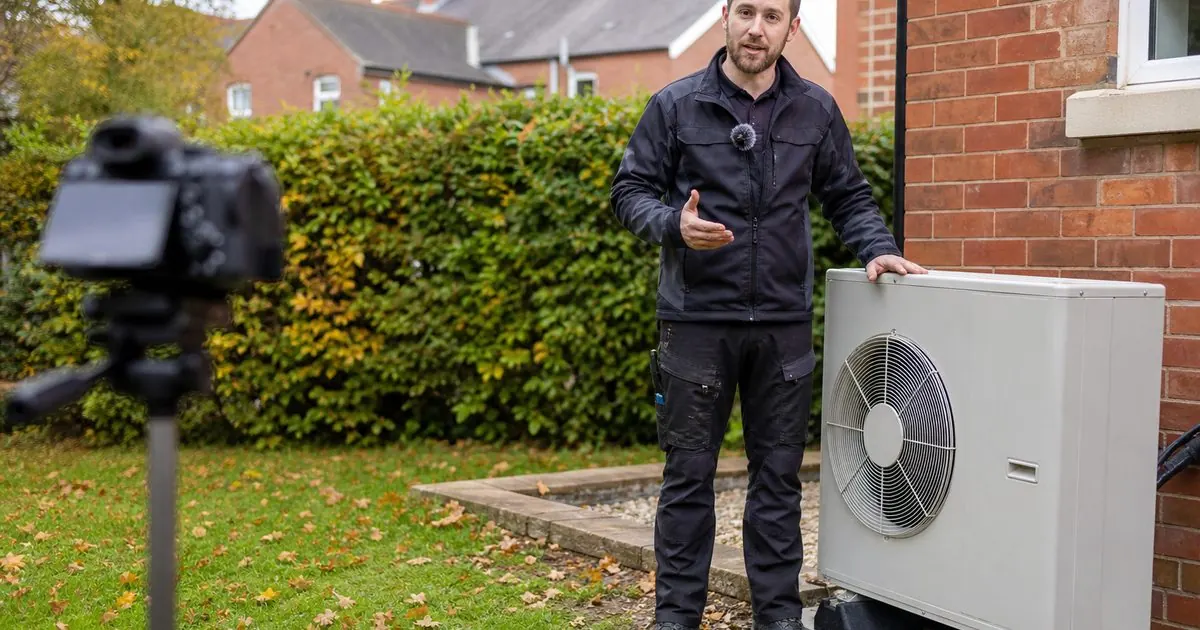
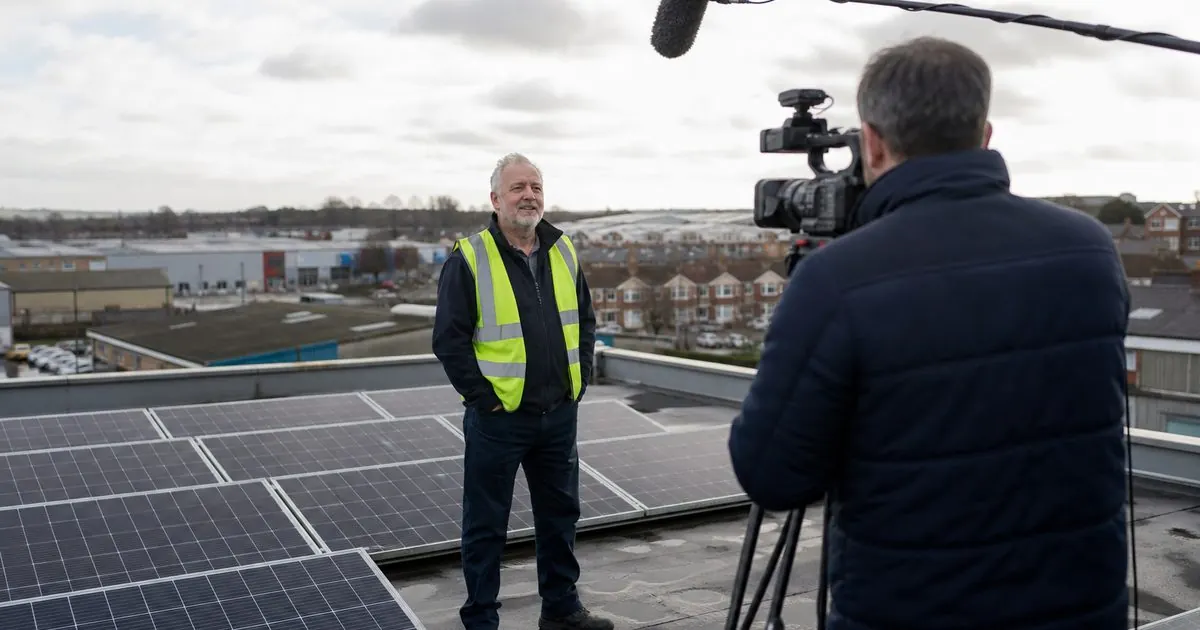
Commercial installs are visual. Cranes, pallets of panels, scaffolding on a big building, the inverter room. Even ten minutes of footage across install days adds a lot to the finished film and to your ads.
Go back after a year
The strongest case study is the one where the client says, a year on, "this is what it actually generated". Put a reminder in the CRM for twelve months after commissioning, pull the monitoring data, and film a short follow-up interview.
The structure of a persuasive commercial case study
For the full film (three to five minutes), this order works:
- The business. Who they are, what they do, why energy matters to them. Fifteen seconds.
- The problem. Costs, price risk, customer or tender pressure. In the client's words.
- The doubts. What worried them before signing. This is the part most installers leave out, and it is the most persuasive part for a prospect with the same doubts.
- The install. How long it took, how disruption was handled, footage from the roof.
- The numbers. System size, generation, how much of their daytime use it covers, and any figures they agreed to share.
- The verdict. Would they do it again, and what would they tell another business owner?
One shoot, many uses
A day on site should produce far more than one video. From one commercial shoot you can usually cut:
- A 30 to 60 second ad, built around the strongest line from the interview, for paid social and YouTube.
- The full film for the case study page and for proposal follow-up.
- Short objection clips, each one answering one fear: disruption, roof condition, payback, maintenance. Send the right clip when a prospect raises that worry ([[COM-2]] covers when to send what).
- A written case study page with the figures in a table, quotes from the interview and the video embedded.
- Stills for proposals and the website.
The written version matters more than most installers think. Search engines and AI assistants read text, not video. A page that spells out, in words, the system size, the type of building, the county and how many working days the install took (using your client's real details) can be found and quoted when a business owner searches or asks an AI tool about commercial solar in their area. That is part of our SEO and GEO work for installers.
Build a case study library by building type
One great case study is good. Four case studies covering your main building types are much better, because each prospect can find one that looks like them. A sensible target:
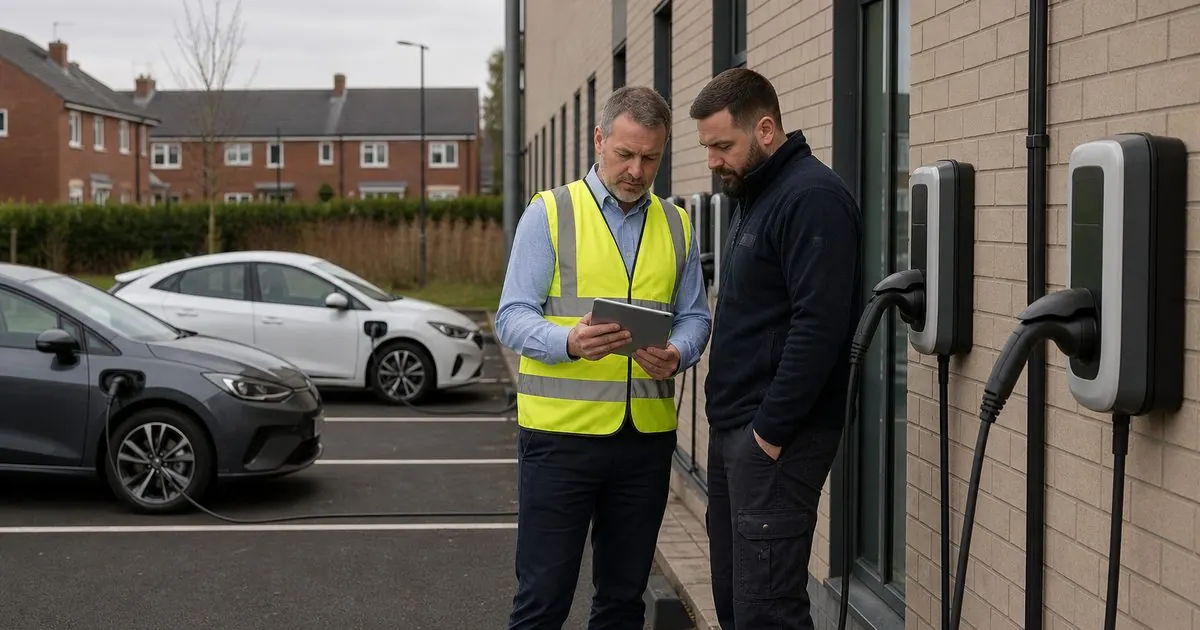
- A warehouse or distribution unit.
- A manufacturing site with heavy daytime load.
- A farm or agricultural building.
- An office, school or care setting.
Use them on the matching landing pages ([[COM-1]] covers building-type pages), in the finance pack for FDs ([[COM-3]]), and in follow-up after proposals.
How we approach it
We come to you and film: a full shoot day on site, once a quarter, built into our package, because proof filmed on real jobs is the base of everything else we build. We made the domestic and commercial solar video ads for Sunlite Group, and the commercial scripts were built around business owners and their numbers, not homeowners and their families. One thing to know up front: somebody in your business needs to be on camera too, though it does not have to be the owner.
If you have commercial installs that nobody outside your company has heard about, book a video call with Tom. We will talk through which sites would make the best case studies and how a shoot day on your patch would work. You can see more on our videography page.
Sources
Questions owners ask
What numbers should a commercial solar case study include?
System size in kWp, the type and size of building, first-year generation, the share of the site's daytime electricity it covered, how long the install took and any disruption. Add the bill change or payback only if the client has agreed to share it and you hold the evidence. Real, checkable numbers beat big round claims.
Do I need the client's permission to use their case study in ads?
Yes. The CAP Code says marketers must not use a testimonial without permission, must hold evidence it is genuine and contact details for the person giving it, and the claims in it must not mislead. Get written consent at contract stage for filming and for sharing named figures, and keep it on file.