Most solar installers have bought leads at some point. A name, a postcode and a phone number, sold to you and to three other firms within the same minute. Then the race starts: whoever dials first gets a conversation, whoever is cheapest gets the job, and everyone else gets a bill for a lead that was never theirs.
This post is about the solar lead market specifically: how it works, why shared leads close so badly, what "exclusive" should actually mean, and how to move to your own lead flow without a gap in the diary. If you are weighing up trade directories more generally, we cover that in Checkatrade, MyBuilder, Rated People or your own leads.
How the solar lead market works
Most bought solar leads come from one of three places:
- Quote-matching sites. A homeowner fills in a "compare up to four quotes" form. The site sells that enquiry to as many installers as it promised the homeowner, sometimes more.
- Lead generators running their own ads. They run broad "solar panels for your home" ads, often with a vague hook such as "see if you qualify", and sell the form fills on by postcode.
- Aged and recycled leads. Enquiries that are weeks or months old, sold cheaply a second or third time.
Demand is not going away. The government's Warm Homes Plan sets an ambition of rooftop solar on up to 3 million more homes by 2030 (as of November 2026), so more sellers keep piling in. None of these models is illegal or automatically bad. The problem is the model. The seller makes money per lead sold, not per install. So the incentive is to produce as many form fills as possible and sell each one as many times as the buyer will tolerate.
Why shared solar leads close so badly
The homeowner was promised a price war
A "compare quotes" form tells the homeowner exactly what to expect: several installers, several prices, pick the lowest. By the time your surveyor arrives, the homeowner is not asking whether you are the right installer. They are asking whether you are the cheapest. Solar quotes are already hard for buyers to compare (panel wattage, inverter brand, battery capacity in kWh, warranties), so most fall back on the total price. We go into that problem in why homeowners can't compare your solar quote.
The race to dial
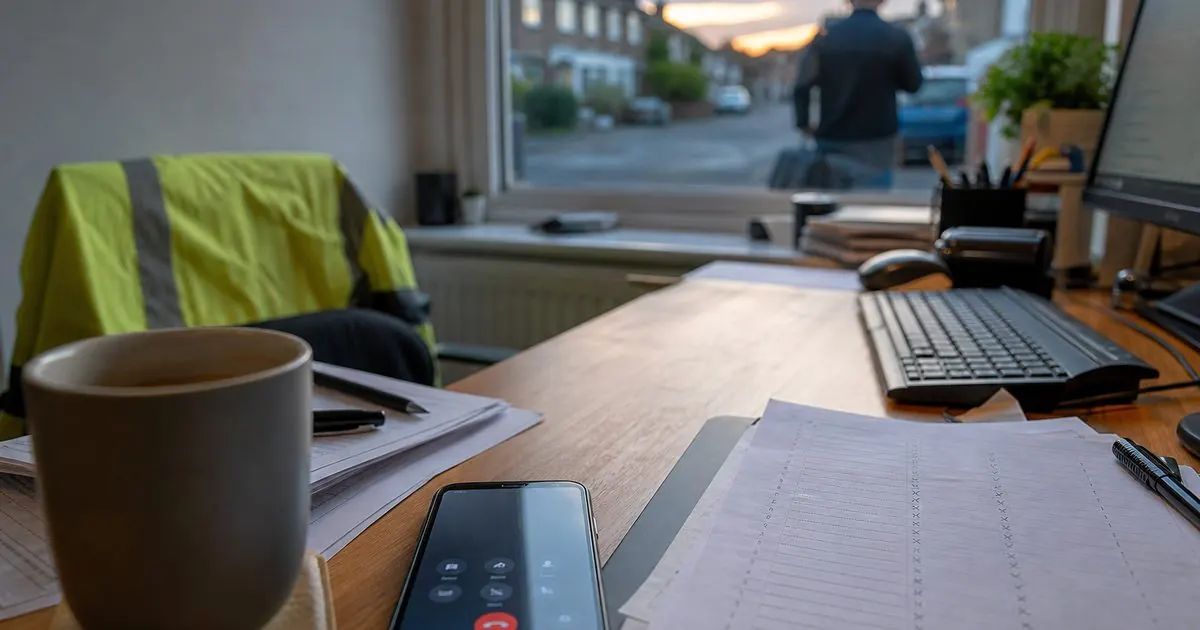
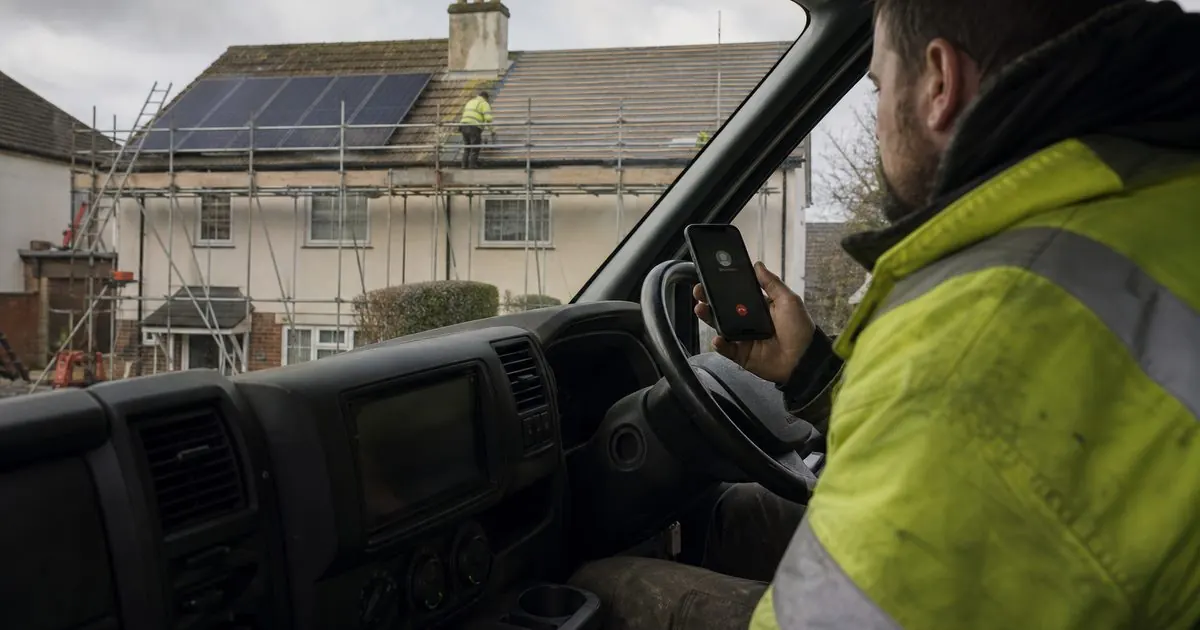
When four firms get the same enquiry, the homeowner gets four calls in ten minutes. The first one usually gets the conversation. The rest get voicemail, then a homeowner who says "I've already got someone coming out". If your team is on a roof when the lead lands, you have paid for a lead you never had a chance with.
You didn't write the promise
You never saw the ad that produced the lead. If it hinted at free panels or a grant, the homeowner arrives expecting something you can't offer, and your rep spends the first ten minutes undoing someone else's marketing. Solar is especially prone to this because "government scheme" language is everywhere, and right now the Warm Homes Plan gives lead generators a fresh hook to blur.
No context, no qualification
A typical bought lead tells you a name, a number and maybe a postcode. It does not tell you whether they own the house, which way the roof faces, whether they already have panels and want a battery, or what their electricity bill is. Your setter has to find all that out from scratch, on a call the homeowner is half expecting to be a sales pitch.
The maths most installers never do
Here is an illustrative example (made-up round numbers, not anyone's real figures). Say a shared lead costs £40 and an exclusive lead generated for you costs £80.
| Shared lead | Exclusive lead | |
|---|---|---|
| Cost per lead | £40 | £80 |
| Leads that answer and book a survey | 1 in 8 | 1 in 3 |
| Surveys that become installs | 1 in 5 | 1 in 3 |
| Cost per install | £1,600 | £720 |
The cheaper lead is more than twice as expensive per install. The real numbers vary by area, offer and team, which is why you need your own figures. We explain how to track them for solar and battery jobs in cost per lead is the wrong number for solar installers.
What "exclusive" should actually mean
Plenty of sellers use the word. Ask what is behind it. A genuinely exclusive solar lead:
- Was generated for your business, by ads that carry your name, your installs and your people, not a generic advert sold to whoever buys that postcode.
- Is never resold, not after 24 hours, not as an "aged" lead next month.
- Comes from a funnel you have seen and approved, so you know what the homeowner was told and what they answered.
- Arrives qualified: home ownership, roof, existing panels, bill size, timescale.
- Is protected by area. If the same supplier is running campaigns for your competitor in the same towns, you are still competing for the same homeowners, just more quietly.
At Attain, leads are 100% exclusive: never shared or resold. We work with one installer per area, and we will not take on a second installer competing with an existing client in the same patch.
Questions to ask any solar lead seller
Before you spend another pound, get straight answers to these:
- How many installers receive each lead? Put it in writing.
- Can I see the ad and the landing page that produced it?
- What exactly did the homeowner tick or type?
- How old is the lead when it reaches me?
- What is your returns policy for wrong numbers and renters?
- Do you sell leads in my postcodes to anyone else, in any form?
- Can you give me a reference from an installer who has used you for six months or more?
If the answers are vague, the leads will be too.
Moving to your own lead flow without an empty diary
Owning your leads means running your own campaigns: video ads filmed on your installs, a landing page that qualifies, and fast follow-up. It does not mean switching off bought leads on a Monday and hoping.
Run both side by side
Keep a reduced bought-lead budget while your own campaign ramps up. Tag every enquiry by source in your CRM and compare cost per survey and cost per install after six to eight weeks. Let the install numbers decide when to turn the bought leads off.
Fix speed before volume
An exclusive lead still goes cold if nobody answers. Solar enquiries peak in evenings and at weekends, which is exactly when your team is off. An instant reply that qualifies the homeowner and books the survey into the right rep's diary matters as much as the ad. See AI appointment booking.
Use your own proof
Bought leads have no idea who you are. Your own campaign can lead with your customers on camera, your vans, your roofs. That is the part a lead seller can never copy.
What this looks like in practice
Wiltshire Energy went from 3 surveys a week to 15 a week (5x), booked off their own campaign instead of bought-in leads. Pure Volts went from 3 installs a week to 10 a week, with revenue up from £38,000 a week to £95,000 a week, while Ali describes staying "still within that three to five hundred pound cost per sale". Neither result came from a cheaper lead. They came from leads nobody else was calling.
If you want to see how this works for solar and battery installers, start with our solar and battery lead generation page.
Want your own solar leads?
If you are tired of racing three other firms to the same homeowner, book a free video call with Tom. We will check whether your area is open, look at what your bought leads are really costing per install, and show you what your own campaign would look like.
Sources
Questions owners ask
Are exclusive solar leads worth paying more for?
Usually, yes, but only if they are genuinely exclusive and generated for your business. Judge them on cost per install, not cost per lead. A lead that costs twice as much but closes three times as often is the cheaper lead. Run both side by side for a couple of months and let the install numbers decide.
How do I know if a solar lead has been sold to other installers?
Ask the homeowner on the first call how many companies have contacted them. If the answer is three or four within an hour, the lead was shared, whatever the seller told you. Ask the seller for the ad, the landing page and a written promise that leads are never resold.