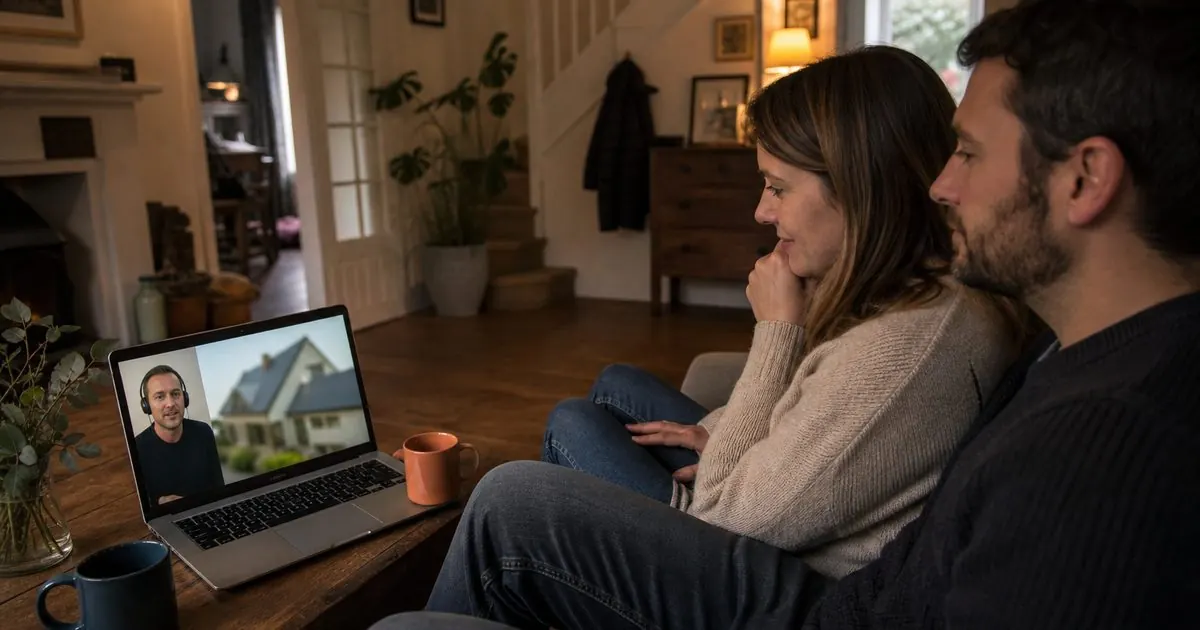
A home visit costs a lot. A salesperson drives an hour each way, sits for two hours, and maybe closes. Multiply that by a week of appointments across a county and it is the biggest cost in many installer businesses after the install itself. Video calls promise to cut that: more appointments per day, no travel, faster quotes.
But plenty of owners have tried remote selling and felt it did not work. Buyers did not show, the call felt flat, or the "we'll think about it" rate went up. The truth is that remote selling works very well for some jobs and some buyers, badly for others, and depends heavily on how it is run.
Which jobs suit a video call
Good fit
- Solar panels. Satellite and aerial roof imagery plus design software let a consultant show panel layouts and estimated generation on screen. The buyer's energy bills fill in the rest.
- Battery retrofits for homes that already have solar. The customer already understands the technology; the conversation is about usage, tariffs and payback.
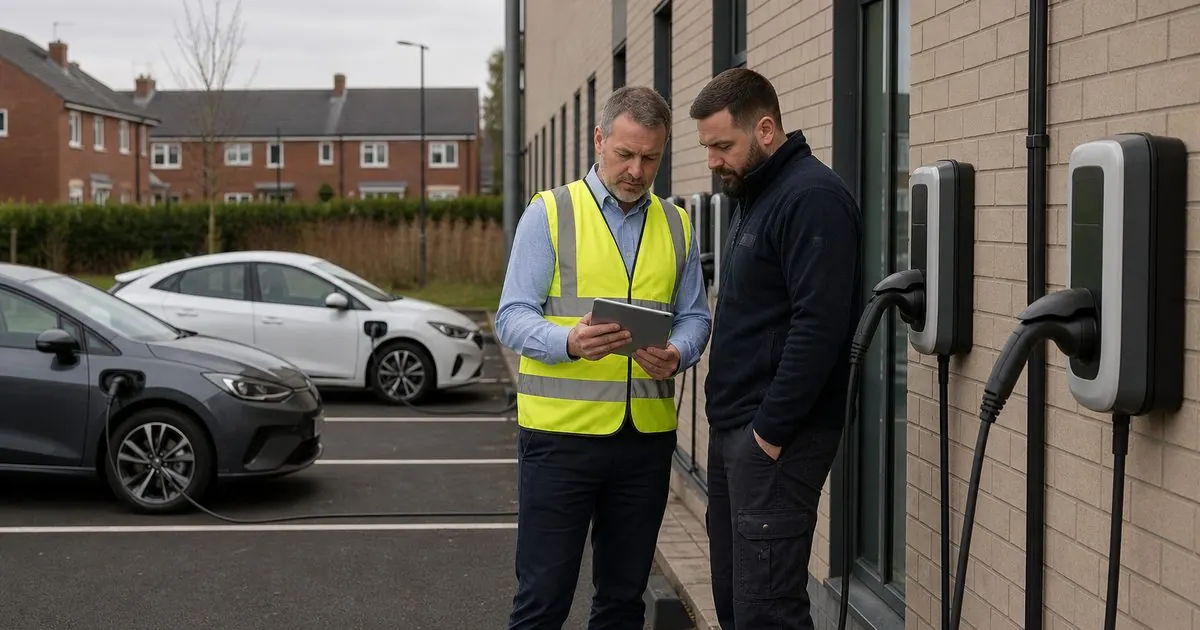
- EV chargers. Photos of the consumer unit, the parking spot and the route between them are usually enough to price the job.
- Repeat customers and referrals, who already trust you.
Usually needs a visit, or a visit as well
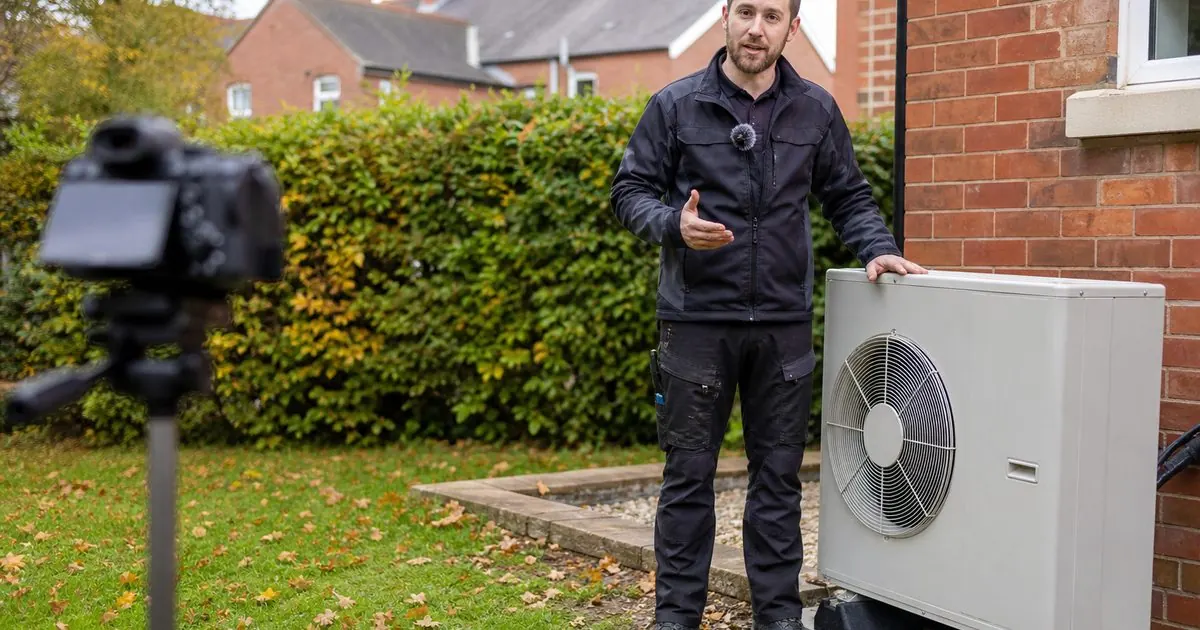
- Heat pumps. MCS standards require a room-by-room heat loss calculation to size the system, and that needs proper measurements of the home. You can run the first sales conversation on video, but a survey is part of the process.
- Roofing, extensions and structural work, where nobody can quote properly without seeing it.
- Kitchens and bathrooms, where buyers want to see and touch materials and a designer needs exact measurements.
- Buyers who say they prefer a visit. Some people, often older homeowners, will only buy from someone who has sat at their kitchen table. Respect that.
The hybrid that works for most installers
For many firms, the answer is not remote or in-person but both, in the right order:
- Video consultation to understand needs, show options and give a price, subject to survey.
- Sign up with a deposit, or a firm intention to proceed.
- Technical survey in person, by a surveyor rather than a salesperson, to confirm the details.
- Final confirmation of the price, adjusted only if the survey finds something different.
This uses the salesperson's time for selling and the surveyor's time for surveying. Be completely upfront that the price is confirmed after the survey and explain what could change it.
A remote sales process step by step
Before the call
- Book both decision-makers onto the call. This matters as much on video as in person. See fixing one-person appointments.
- Send a link that just works, with a test option, and a backup phone number in case the video fails.
- Collect information in advance: recent energy bills, photos of the roof, the consumer unit, the parking area, and the current heating system. Buyers who send these are invested and nearly always turn up.
- Pre-build a draft design from that information, so the call starts with something real.
- Send a short intro video from the consultant the day before.
On the call
- Cameras on, both sides if possible. Keep yours at eye level, light from the front, quiet room, plain background.
- Start with them, not the product. Why are they looking at this now? What do they want from it? Who else are they talking to?
- Share your screen to show their roof, the design and the numbers. Let them ask questions while they look.
- Show proof: a short case study video from a nearby customer with a similar home.
- Talk about money properly, including finance options if you offer them.
- Agree the next step on the call: a survey date, a decision date or a follow-up call. Never end with "have a think and let me know".
After the call
- Send the proposal within the hour, with a short recorded video recap of what you discussed.
- Start a follow-up plan with set touch points. See quotes that go quiet.
- Log everything in the CRM, including who was on the call.
The legal side
A contract agreed on a video call is generally a distance contract under the Consumer Contracts Regulations. Buyers usually have a 14-day right to cancel, and for goods and installation the period may not start until the goods arrive. You must give clear pre-contract information and cancellation details, or the cancellation period can be extended by up to 12 months. Get your paperwork checked; this is not legal advice.
Measuring whether remote selling works for you
Do not judge it on feel. Run remote and in-person side by side for a couple of months and compare:
| Measure | Remote | In-person |
|---|---|---|
| Show rate | ||
| Close rate on sat appointments | ||
| Average order value | ||
| Cancellations within cooling-off | ||
| Appointments per salesperson per day | ||
| Cost per sale |
Remote selling often has a slightly lower close rate per appointment but far more appointments per day, so value per salesperson can be higher. Look at the whole table, not one line.
Where we fit
Our sales closing service installs and manages closers who close booked appointments on your behalf. Whether those appointments run on video, in the home or as a hybrid depends on your trade and your buyers. As a rule of thumb, video suits solar and battery and EV charging work well, while heat pumps and other survey-led jobs need a visit in the process.
If you want to know whether your sales could move partly to video, book a call with us. It is a video call itself, so you will see how it feels from the buyer's side.
Sources
- legislation.gov.uk: Consumer Contracts (Information, Cancellation and Additional Charges) Regulations 2013
- MCS: Standards and tools library
Questions owners ask
Can you sell solar panels without a home visit?
Often, yes. Roof imagery, design software, photos and energy bills let a consultant design and price a system on a video call. Most firms still do a technical survey before installation to confirm the roof, the electrics and the scaffold access, and adjust the quote if anything differs.
Do customers have a cooling-off period if they sign after a video call?
Usually yes. Contracts agreed at a distance, such as online or by phone or video call, generally come with a 14-day cancellation right under the Consumer Contracts Regulations, with rules on when the period starts for goods and installation. Make sure your paperwork explains it clearly.