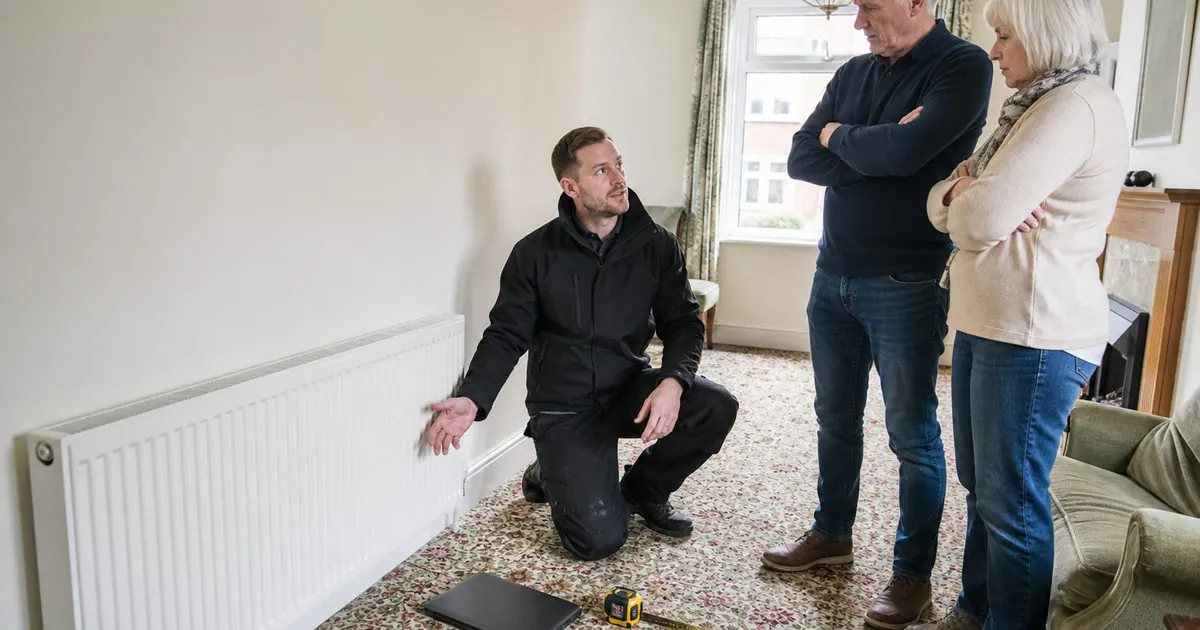
A heat pump is not usually a distress purchase. The boiler still works, the house is warm enough, and the decision involves a big number, an unfamiliar technology and often two people who need to agree. So the gap between first enquiry and installation can stretch for months.
Many installers treat that as a problem to push through. A better approach is to accept the long cycle and run your pipeline for it: know what each buyer is waiting for, stay useful while they wait, and be the obvious choice when they are ready.
This post covers the whole journey from enquiry to install. If your specific problem is enquiries vanishing before the survey, see why heat pump enquiries drop out between enquiry and survey. If it is quotes going quiet, see a follow-up plan that wins back ghosted buyers.
Why heat pump decisions take longer
Most delays fall into a handful of categories, and each needs a different response:
- The boiler still works. No urgency. They are planning, not replacing.
- Timing around the seasons. Plenty of people will not rip out their heating in November. They want it done in spring or summer.
- Two decision-makers. One partner is keen, the other is worried about bills or noise.
- Money. Waiting for savings, a bonus, the grant to be confirmed or finance to be arranged.
- Other work first. Insulation, new windows, an extension or a loft conversion that changes the heat loss.
- Moving house or life events. Not now, but maybe at the next house.
- Comparing quotes. Three installers, three different system sizes and three different prices.
If your CRM only says "follow up" next to every one of these, you are treating very different buyers the same way.
Step 1: Record what each buyer is waiting for
At the first proper conversation, add two fields to every heat pump lead:
- Waiting on. Pick from a short list: nothing (ready now), season, partner, money or finance, other works, move, comparing quotes.
- Trigger date. The month they think they will decide. If they say "after Christmas", put January. If they say "when the boiler dies", put their next boiler service date.
These two fields change everything. Your pipeline stops being a list of names sorted by age and becomes a calendar of when decisions are likely to happen.
Step 2: Sort the pipeline into readiness groups
With those fields in place, split heat pump leads into four groups:
| Group | Who they are | Contact rhythm | What you send |
|---|---|---|---|
| Ready | Deciding within 30 days | Every few days, mostly by phone | Survey slots, quote walk-through, install dates |
| Planning | Deciding in 1 to 6 months | Every 1 to 2 weeks | Customer stories, running cost explainers, grant and finance updates |
| Waiting on something | A specific blocker | Monthly, plus a check-in at the trigger date | Help with the blocker itself |
| Long term | 6 months or more | Monthly or less | Seasonal content and genuine news |
The "waiting on something" group is where most installers lose jobs, because nobody helps with the blocker. If they are waiting on insulation, tell them what matters for a heat pump and what does not. If they are waiting on a partner, offer a short call or a video they can watch together. If they are waiting on finance, explain the options plainly, for example how the Boiler Upgrade Scheme grant combines with a Warm Homes loan, which we cover in quoting heat pumps with a Warm Homes loan plus the grant.
Step 3: Nurture with something useful, not "just checking in"
A long cycle gives you time to answer every doubt before it becomes a reason to say no. Build a library of short messages and videos, and let the CRM send them to the right group:
- A customer in a similar house, filmed a year after install, talking about their bills.
- What install week actually looks like, day by day.
- How noise works and where the unit can go.
- How the grant works, in three lines, with a GOV.UK link.
- What happens if something goes wrong after install.
Every message should end with one easy next step: book a survey, reply with a question or ask for an updated quote. Our AI follow-up sends these on schedule and replies when a buyer answers, so a question at 10pm on a Sunday gets an answer straight away rather than on Monday afternoon.
Step 4: Keep the quote alive
A quote that sits for four months goes stale. Kit prices move, the grant position may change and the buyer forgets what was in it. Set a few checkpoints:
- 30 days after the quote. A short video walking through it again, answering the questions people usually have.
- At the trigger date. "You mentioned spring. Shall I check the quote is still right and hold some install dates?"
- When something genuinely changes. A grant change, a finance option or a price change. Only when it is real.
Two real dates are worth knowing about right now. As of November 2026, the Boiler Upgrade Scheme gives £7,500 towards an air source heat pump, and an extra £1,500 is available until March 2027 for homes heated by oil or LPG with no mains gas. Separately, installation of heat pumps is zero-rated for VAT until 31 March 2027, after which HMRC says it reverts to 5%. Tell buyers about these honestly and early. Do not invent deadlines on top of them.
Step 5: Use the seasons, do not fight them
Heat pump demand is not flat across the year. Use that:
- Autumn and winter. Boilers fail, bills arrive and interest rises. Your "ready" group grows. Prioritise speed and survey capacity.
- Spring and summer. Plenty of people prefer to change their heating now. Contact everyone in the "season" group in late winter and offer install dates before the summer fills up.
A planning-stage buyer contacted in February with "we have install dates in April and May" is far more likely to go ahead than one who hears nothing until they come back to you in September.
Step 6: Forecast from the pipeline
Once leads have a group and a trigger date, you can forecast. Here is an illustrative example. Say you have 120 open heat pump leads:
| Group | Leads | Rough chance of buying in next 90 days | Expected jobs |
|---|---|---|---|
| Ready | 15 | 40% | 6 |
| Planning | 40 | 15% | 6 |
| Waiting on something | 35 | 10% | 3.5 |
| Long term | 30 | 2% | 0.6 |
| Total | 120 | about 16 |
Start with rough percentages and replace them with your own numbers after a few months. Even a rough forecast tells you whether you need more marketing now or whether next quarter is already full, and it stops you panicking when this month's new enquiries dip.
Do not lose the job at the last step
Long cycles end suddenly. A buyer who has been quiet for five months gets a cold snap or a boiler fault and wants it done now. If they call and get voicemail, or the person who answers does not know their history, all that patient nurturing goes to whoever answers first. Make sure:
- Every lead's history and notes are in one place, not on someone's phone.
- Replies come within minutes, day or night.
- You keep some survey capacity for returning buyers.
Night & Day Renewable Energy, an air source heat pump installer, moved from buying leads to running their own campaign with us and grew turnover from £200k to £650k+ in twelve months. Brad's comment, "Right from the off we were getting more leads than we could manage", is exactly why the slow-burners need a system. When new enquiries are plentiful, older leads are the first thing to be forgotten. Our Installer Flow CRM keeps them in view.
Want help with a long pipeline?
Book a free video call with Tom. Bring a rough count of your open heat pump leads and quotes, and we will show you how we would group them, what we would send each group and how the heat pump system works in your area.
Sources
- Boiler Upgrade Scheme: what you can get (GOV.UK)
- VAT on energy-saving materials and heating equipment, VAT Notice 708/6 (GOV.UK)
Questions owners ask
How long is a typical heat pump sales cycle?
It varies widely. A buyer whose boiler has just failed may decide in days. A buyer planning ahead can take months, often waiting for the heating season to end, a house move, insulation work or finance. That is why it helps to track what each buyer is waiting for, not just how long ago they enquired.
How often should I follow up a heat pump lead that is not ready?
Match the frequency to their readiness. Someone deciding this month might hear from you every few days. Someone planning for next year might get one useful message a month and a check-in around their trigger date. The aim is to be the installer they remember when they are ready, not to chase them until they block you.