Most kitchen company blogs follow the same pattern. A burst of posts when the website launched ("5 reasons to choose a shaker kitchen", "Kitchen trends for 2024"), then nothing for two years. They get no traffic, generate no enquiries, and quietly make the site look abandoned.
The problem isn't that blogging doesn't work for kitchens. It's that those posts answer questions nobody asked, in words anyone could have written. Kitchen buyers research for months and ask very specific questions along the way. A blog that answers those questions, using your real projects, is one of the few marketing assets that keeps working after you stop paying for it. (For the general version of this across all trades, see blog content for installers that isn't AI filler.)
Why generic posts fail
Google's own guidance on helpful content asks questions like whether the content clearly demonstrates first-hand expertise and depth of knowledge, and whether it was written or reviewed by someone who demonstrably knows the topic. A post about "kitchen trends" written from other people's articles fails both. So does anything a buyer could get from a magazine.
AI search tools work in a similar way. When someone asks ChatGPT or Google's AI Overviews "how long does it take to fit a kitchen?", they quote sources that give a specific, credible answer. A kitchen company that has written "our last 40 fits took between X and Y working days, and here is what made the difference" is a far better source than a national listicle. More on that in will ChatGPT recommend your business?.
The four kinds of kitchen post that work
1. Project stories
Each finished kitchen is a post. Not a gallery with three photos and "another happy customer", but a proper story:
- What the room was like before and what the customer wanted.
- The problem you solved: an awkward chimney breast, a north-facing room, a tight galley, a steel beam where the island should go.
- The design decisions and why.
- The budget band, the timeline and what was included.
- Photos and a short video, plus a line from the customer.
Project stories rank for local searches ("kitchen extension [town]", "shaker kitchen [area]") and convert because they look like the buyer's own situation.
2. Layout and room-shape guides
Buyers think about their kitchen by shape and problem, not by style name. Write for that:
- Galley kitchens: how to make a narrow room work.
- L-shaped kitchens with a dining area.
- When an island works and when a peninsula is better.
- Kitchen-diners in rear extensions: where to put the sink and the hob.
- Small kitchens in terraced houses.
Use your own projects as examples throughout, and include the measurements and clearances your designers actually use.
3. Budget and price guides
The most-searched kitchen question is still about cost. A guide based on your real jobs, explaining what drives price (layout changes, worktop material, appliances, moving plumbing, the amount of tall units) is both helpful and a strong filter for your sales team. Keep it dated and update it each year.
4. Questions from the showroom
This is the easiest source of good content, and the most overlooked. Your designers answer the same questions every week. Each one is a post:
- How long does a kitchen fit take, start to finish?
- Should we order the kitchen before or after the extension is built?
- Can we keep our existing appliances?
- What happens if the walls aren't straight?
- What's the difference between a solid wood and a painted MDF door?
- Do we need building regulations approval for a knock-through?
- What should the builder do before your fitters arrive?
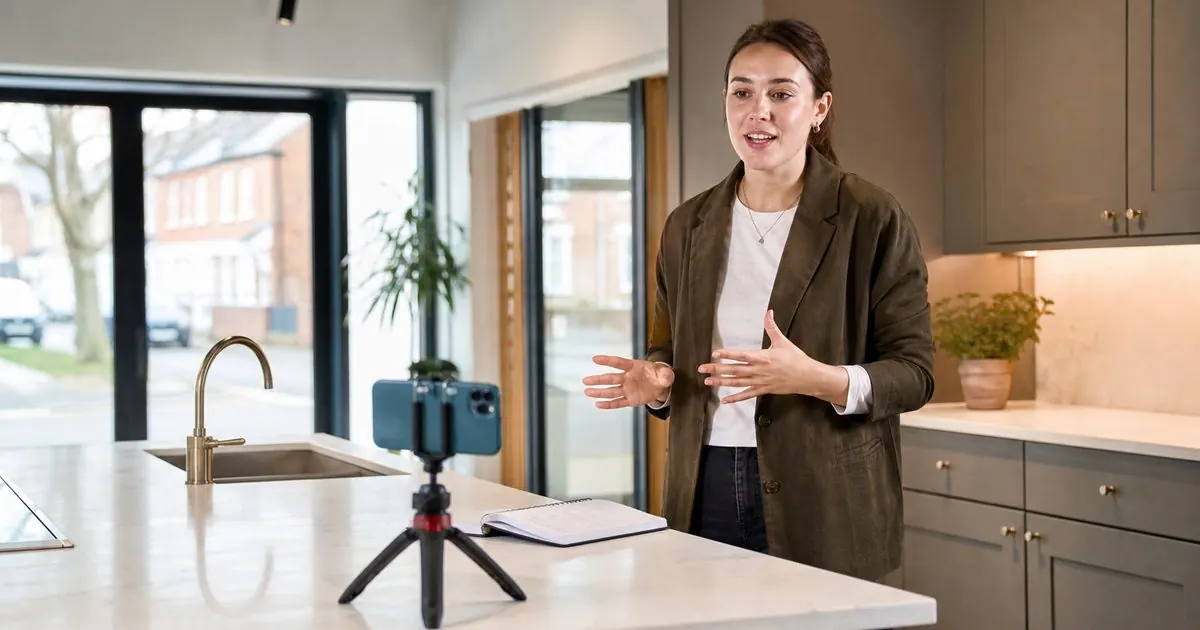
Answer each in plain English, with the honest version of the answer, and a photo or short video of the designer explaining it.
How to keep it going
The posts that do best come from a simple routine, not bursts of effort:
- Collect questions. Ask designers and fitters to note any question a customer asks twice. Keep a shared list or log them in your CRM.
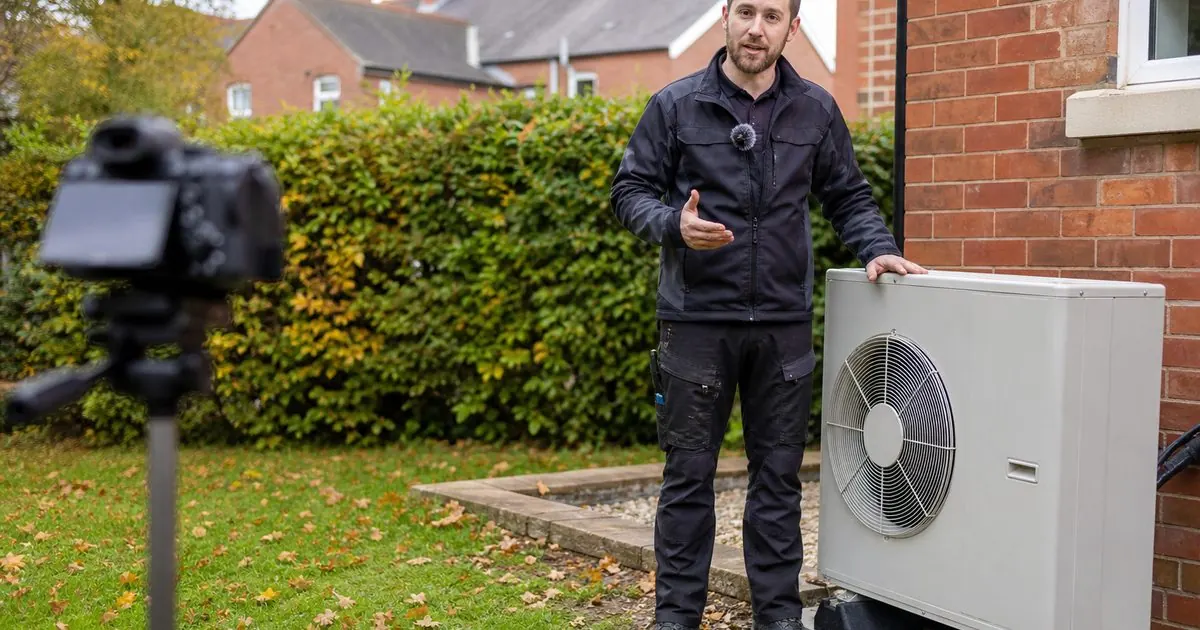
- Film as you go. A two-minute phone clip of a designer answering a question can become a blog post, a social post and a follow-up message.
- Write one post a fortnight. Use the question as the title. Answer it in the first paragraph, then go into detail.
- Add a project story after every kitchen you are proud of.
- Update your best posts yearly. New photos, new prices, new examples.
Write it so search engines and AI can use it
A few habits make a big difference:
- Answer first. Put the direct answer in the first two sentences, then expand.
- Be specific. Numbers, timeframes, materials and real examples beat general advice.
- Name the author. "Written by Sarah, lead designer, 12 years designing kitchens" tells readers and search engines who is talking.
- Use clear headings that match how people phrase questions.
- Link to your project pages, price guide and booking page, so a reader who is convinced has somewhere to go.
- Use your own photos. Stock images of kitchens you didn't fit undermine the whole point.
What to avoid
- Trend roundups copied from magazines.
- Posts written for keywords rather than people.
- Long introductions before the answer.
- Bulk AI posts with no project detail.
- Publishing and forgetting.
How we help
We build kitchen company websites and content around real questions, real projects and the way buyers now search, including AI search. We can turn your showroom questions and project footage into posts, landing pages and video. See our SEO and GEO service and how it fits kitchen companies.
If your blog has gone quiet, or never got going, book a video call and we'll look at what your buyers are actually searching for.
Sources
Questions owners ask
How often should a kitchen company publish blog posts?
Quality beats frequency. One genuinely useful post a fortnight, built from real projects and real questions, will do more than daily filler. Many kitchen firms do well with one or two posts a month, plus updating their best posts each year so prices, products and photos stay current.
Can I use AI to write my kitchen blog?
It can help with structure and editing, but the substance has to come from you: your projects, your prices, your designers' answers and your photos. Google's guidance asks whether content shows first-hand expertise. Generic AI text about 'ten kitchen trends' has none, and readers can tell.