Every external blinds and awnings business has seen it. The forecast shows 30 degrees, the news talks about a heatwave, and for four or five days the enquiries pour in. Then it rains, the temperature drops, and the phone goes silent as if nobody had ever been hot in their life.
The heat spike is real demand, but it is short and badly timed. Made-to-measure shading cannot usually be fitted in the week of a heatwave, and by the time it is, the buyer has cooled off in every sense. This article is about planning around that: having campaigns ready before the heat arrives, catching the spike when it does, and turning it into orders for next summer.
Why demand behaves like this
Research for the Department for Energy Security and Net Zero, published in 2026, found that people who had taken up home cooling measures had typically done so reactively, during hot weather, rather than by planning ahead. Participants also said they would like warnings about hot weather earlier than the one or two weeks' notice they usually get, so they could prepare.
That matches what shading firms see. People think about heat when they are hot. The rest of the year, they forget. So your marketing needs two modes: a fast, loud mode for hot spells, and a patient mode that turns those moments into planned purchases.
Get ready before June
Do the work in spring, so you can switch on in minutes when the forecast turns.
Build the campaigns in advance. Have ads, landing pages and messages written, approved and paused, ready to switch on. Waiting until the heat arrives to brief a designer means missing the spike.
Know your triggers. The UK Health Security Agency issues heat-health alerts with the Met Office. The core alerting season runs from 1 June to 30 September, though alerts can be issued outside it. Decide in advance what you will do at each level, for example:
- Forecast of a warm spell a week out: switch on awareness ads and lift budgets modestly.
- Yellow alert: raise budgets, switch to "beat the next heatwave" messaging.
- Amber alert or higher: push hard on search and social, extend your enquiry response hours.
Plan capacity. Know your lead times for each product and how many surveys you can do per week. Your messaging should be honest about when you can fit.
The messages that work in the heat
During a hot spell, people are looking for relief, not a product. Lead with the problem they are feeling:
- "Bedroom too hot to sleep?"
- "Why your blinds are not keeping the heat out."
- "The conservatory you cannot use from June to August."
Then explain the one idea most people have never heard: internal blinds stop the light, but much of the heat has already come through the glass. External blinds, shutters and awnings stop the sun before it reaches the window. A simple diagram or a short video showing the difference does more than any amount of copy.
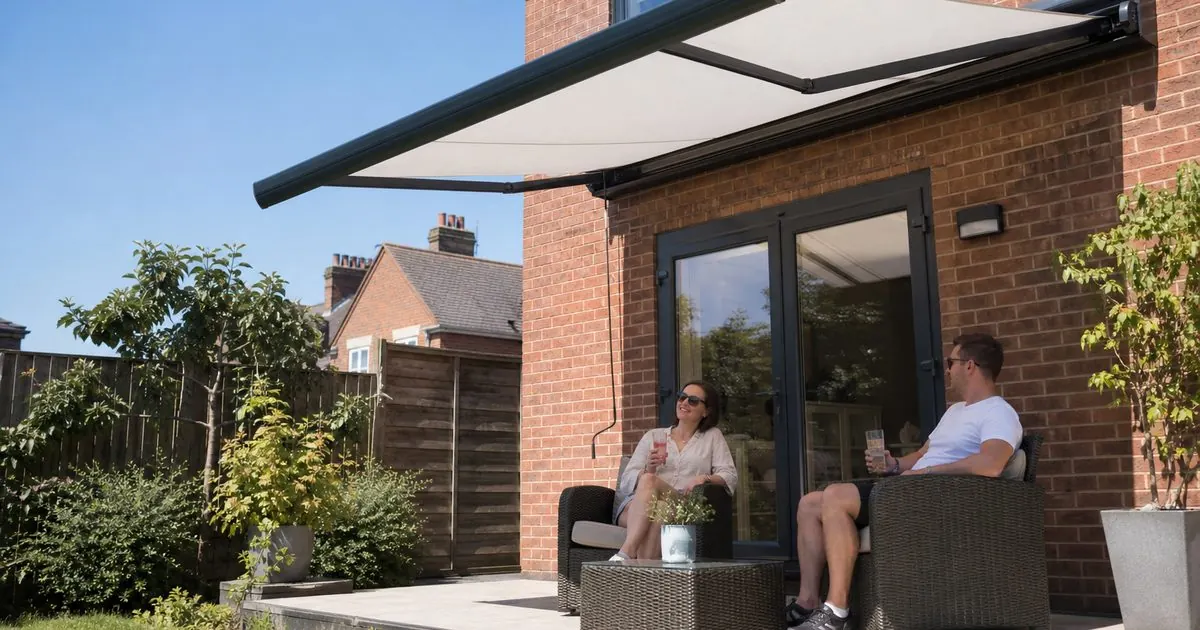
Show it on houses like theirs. A terrace with an awning over the patio doors. A semi with external roller blinds on a loft dormer. A new extension with shading over the roof lantern.
Capture the spike without dropping enquiries
A heatwave can bring a week's worth of enquiries in a day, often in the evenings when people are lying awake in a hot bedroom. If nobody replies until Monday, most of them will have moved on.
- Reply instantly. An automated WhatsApp or text that thanks them, asks for a photo of the windows and offers survey slots. AI follow-up can hold the conversation and book the survey at 11pm.
- Be honest about timing. "We can survey next week and fit in about six weeks" is better than silence or a promise you cannot keep. Many buyers accept it if they hear it straight away.
- Offer something for now. If you sell temporary or quick-fit products, mention them. If you do not, give free tips for getting through this heatwave. People remember who helped.
The general case for instant replies is in the 5-minute rule. For shading firms, the difference is that the window is days, not weeks.
After the heat: turn interest into orders
This is where most firms lose the value of the spike. When the temperature drops, so does urgency. The buyers who enquired are still the best prospects you have, but they need a reason to go ahead.
- Remarket to everyone who engaged with a "before next summer" message: survey now, fit in autumn or spring, be ready for the first hot day.
- Send a short video of a fitted job with the homeowner talking about the difference.
- Use the dual benefits. The same DESNZ research found people were more willing to adopt measures that are seen as dual purpose and visually acceptable. External shutters can add privacy and security. Awnings make a patio usable in light rain. Use those messages in autumn and winter.
- Run a pre-summer push in March to May, aimed at everyone who enquired last year. "Last summer you asked about shading. This year, be ready before the heat."
Keep the content working all year
Searches like "how to keep your house cool" surge in hot weather. A strong page that answers the question honestly (night ventilation, closing curtains, internal versus external shading, fans, air conditioning), published well before summer, has time to rank and be picked up by AI assistants before the surge comes. Put your shading products in context rather than pretending they are the only answer.
Heatwave planning for air conditioning installers follows a similar rhythm but a different product and buyer, covered in getting ready before the first hot week. For shading, the extra challenge is lead time, which is why the follow-up after the heat matters so much.
If you install external blinds, shutters or awnings and want heatwave Facebook and Instagram campaigns ready before next summer, book a free video call with Tom. We will check whether your area is open.
Sources
- DESNZ: Factors affecting the take-up of home cooling adaptations, research report (2026)
- GOV.UK: Heat-Health Alerting system
- UKHSA: weather-health alerts dashboard
Questions owners ask
When do UK heat-health alerts run?
The UK Health Security Agency runs heat-health alerts with the Met Office. The core alerting season is 1 June to 30 September, although alerts can be issued outside it if conditions meet the thresholds. Alert levels and regional forecasts are useful triggers for turning shading campaigns up.
Should I stop advertising external blinds after a heatwave ends?
Turn spend down, but do not stop. People who engaged during the heat are your best audience for the rest of the year. Keep them warm with remarketing and messages that move them towards a survey and a fitting date before next summer, when they will remember how hot it was.