For three months the phone rang. Cost per lead was steady, the diary was full, and you stopped thinking about the ads. Then it crept up. A bit more per lead in month four. Fewer leads in month five. By month six you are wondering whether Facebook "just doesn't work any more" for your trade.
Usually it still works. What has stopped working is the same handful of ads being shown to the same few thousand homeowners in your area for the hundredth time. That is ad fatigue, and in local home improvement it hits harder than in almost any other kind of advertising.
Why installers fatigue faster than most advertisers
A national brand can show one video to millions of people. You probably cover a few counties, and only homeowners, and only some of those are a fit for your product. Your real audience might be a few hundred thousand people.
Meta finds the people most likely to respond first. Once they have seen the ad (and either enquired or decided not to), it has to work further down the list, to people less likely to respond. Costs rise. Show the same people the same video again and again and they simply scroll past it.
First, check it really is fatigue
Before you blame the creative, rule out the other causes. We see each of these regularly:
- Tracking broke. A website change removed the pixel or the CRM stopped receiving leads. Leads may still be coming in; you just can't see them.
- The form or page broke. Test your own form on your own phone.
- Someone edited the campaign. Big edits to budget, audience or creative can send an ad set back into Meta's learning phase.
- Season. Heat pump and boiler interest is different in July and November. Compare with the same weeks last year if you have them.
- A new competitor. Someone else in your area started spending heavily.
- Your follow-up changed. If bookings fell but leads did not, the problem is after the ad.
If none of those apply, look at the numbers that point to fatigue.
The signs of ad fatigue
Check these for each ad (not just the campaign), over the last few weeks:
| Signal | What it looks like |
|---|---|
| Frequency | Climbing steadily |
| Click-through rate | Falling as frequency rises |
| Cost per lead | Rising as frequency rises |
| Comments | The same names, or "seen this ad 50 times" |
| Delivery column | A creative fatigue or creative limited warning |
Meta itself describes creative fatigue as what happens when an audience has seen the same creative too many times, and flags falling click-through and rising cost per result as frequency climbs. Ads Manager can show a fatigue warning in the Delivery column for eligible ads, and may warn you before you publish an ad that looks likely to fatigue quickly.
The real fix: a supply of new creative
You cannot out-bid fatigue. The only lasting fix is a steady supply of new ads. That needs a system, not a panic every few months.
Plan a shoot day every quarter
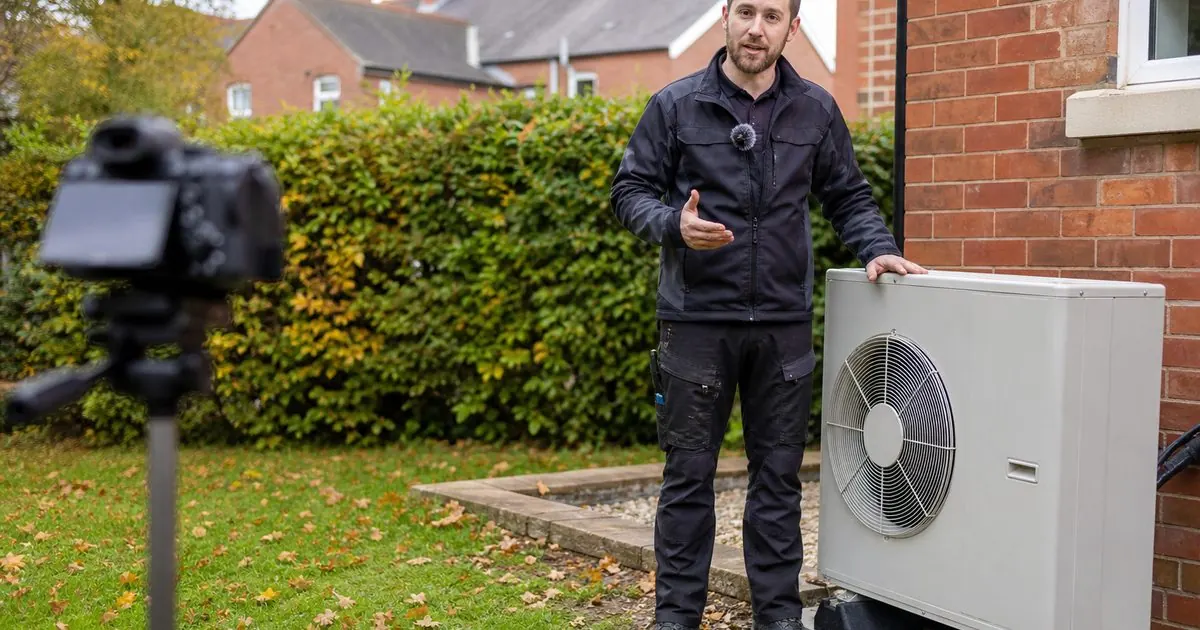
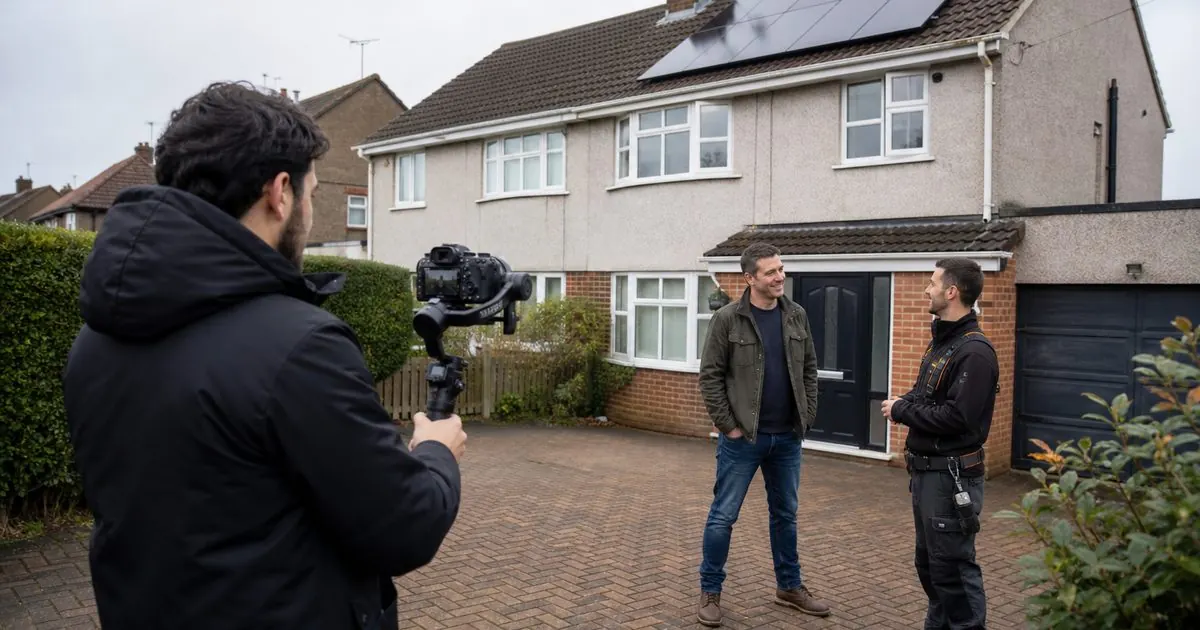
One well-planned filming day can produce enough material for months. It is why our system builds a full shoot day on site into every quarter. From one day at a recent job you can get:
- Two or three customer testimonials (different people, different reasons they bought)
- A walkthrough of the finished job by the installer
- The owner or a team member answering the five questions buyers always ask
- A before-and-after reveal
- Short clips of the team working, for B-roll
- A "what happens on survey day" explainer
- Several talking-head hooks recorded in different ways
Edited into different lengths and formats, that is dozens of ads. Somebody in the business needs to be on camera (it does not have to be the owner). More on what to film in our guide to video testimonials.
Refresh concepts, not just colours
Changing the button colour or the first line of text rarely beats fatigue. Meta sees it as the same ad. What works is a genuinely different concept:
- A different person on screen (customer, installer, owner)
- A different reason to buy (bills, comfort, the deadline, a finance option, a local job)
- A different format (talking head, walkthrough, photo carousel, text-on-screen story)
- A different opening three seconds
Meta's own engineering team has written that its ad delivery system is built to choose from a growing pool of creative and that more varied ads can improve people's experience. In practice, accounts with several genuinely different ads live tend to hold up better than accounts relying on one star video.
Keep ads in rotation, not all at once
Don't launch twelve new ads on the same day and then nothing for six months. A better rhythm:
- Keep three to six different concepts live per campaign.
- Add one or two new concepts every couple of weeks.
- Pause ads that have clearly tired (rising cost, falling clicks).
- Bring an old winner back after a long break, with a new hook, rather than leaving it on forever.
Write hooks that stay within Meta's rules
When you are writing lots of new hooks, it is easy to slip into wording Meta won't accept. Its advertising standards bar ads that assert or imply personal attributes, including financial status, age and health. So:
- Avoid: "Struggling to pay your energy bills?" or "Over 60 and feeling the cold?"
- Use: "Lower energy bills with solar and a battery" or "A warmer home this winter with a heat pump"
Keep the focus on the product and the result. If your ads mention finance, loans or grants, there are extra rules; see Meta and Google ad rules for loan and grant messaging.
Don't forget the rest of the funnel
Sometimes "fatigue" is really the offer. If every installer in your county is running the same "save money on your bills" line, a fresh video won't fix a message nobody believes any more. Real customers, real local jobs and real numbers from your own work cut through better than a new slogan.
And sometimes the ads are fine but the leads are wasted after they arrive. If cost per lead is stable but sales have dropped, look at why Facebook leads don't answer the phone before you spend money on new creative.
A simple monthly check
- Frequency, click-through rate and cost per lead for each live ad
- Any fatigue warnings in the Delivery column
- How many genuinely different concepts are live
- What is ready to launch next (filmed, edited, approved)
- Date of the next shoot day
If you would like a hand building a content pipeline that keeps your Facebook and Instagram ads fresh, from the filming day to the edit, book a video call with Tom. We'll look at what you're running now and what we'd film first.
Sources
- Meta Business Help Centre: Creative fatigue recommendations in Meta Ads Manager
- Meta Business Help Centre: View campaign, ad set or ad delivery status
- Meta Engineering: Meta Andromeda, the next-generation ads retrieval engine (December 2024)
- Meta Advertising Standards: Privacy violations and personal attributes
Questions owners ask
How often should I refresh my Facebook ads?
There is no fixed date. Watch frequency, click-through rate and cost per result for each ad, plus Meta's creative fatigue warnings in the Delivery column. In a small local area, expect to need new creative more often than a national advertiser. Having new ads ready before the old ones tire is the real goal.
Is a higher frequency always bad?
No. Big home improvement purchases take weeks, and people often need to see you several times. Frequency becomes a problem when it rises while click-through rate falls and cost per lead climbs. That pattern says the audience has stopped noticing the ad.
Can I just duplicate the ad to reset it?
Usually not. Meta's fatigue diagnostics look at how often people have seen the same image or video, so a copy of the same creative tends to hit the same people with the same thing. Change the hook, the person on screen or the angle instead.