Most products in home improvement are sold to people who already know they want them. Someone with a broken boiler searches for a boiler. Someone with draughty windows searches for windows. External blinds and shutters are different. Most UK homeowners have never seen one on a British house, have no idea they exist, and would never think to search for them.
That makes them hard to sell through the usual channels and a big opportunity for firms willing to do the work. If nobody is searching, you have to create the demand yourself.
How little the UK knows about external shading
This is not a guess. In 2026 the Department for Energy Security and Net Zero published research by Verian on what drives people to adopt home cooling measures, based on a survey of 1,607 people and 40 in-depth interviews. Its findings make sobering reading for anyone selling external shading:
- Awareness of measures that cool the home was lower than awareness of measures that cool the body, such as fans and ice packs.
- Apart from air conditioning, no more than 60% of people were familiar with any of the internal or external cooling measures in the survey.
- Only 10% had installed fixed shading such as shutters or awnings, compared with 30% who had fitted internal blinds to sunny windows.
- People who had taken up cooling measures mostly did so reactively, during hot weather, rather than planning ahead.
- Owner-occupiers in detached or semi-detached houses were the most willing to adopt external measures.
In other words: the product works, but the market does not know it exists, and the people who could buy it are reachable. That is a marketing problem, and a solvable one.
Step 1: create demand where people scroll
If people do not search for a product, you go to where they spend time. For home products that means Facebook and Instagram, with video.
External blinds are ideal for video because the benefit is visible:
- The thermometer test. A room with internal blinds and a room with external blinds on the same hot afternoon, with real temperature readings. Use honest numbers from a real install, not made-up claims.
- The light test. The view out stays, the glare and heat go. Show a home office screen with and without.
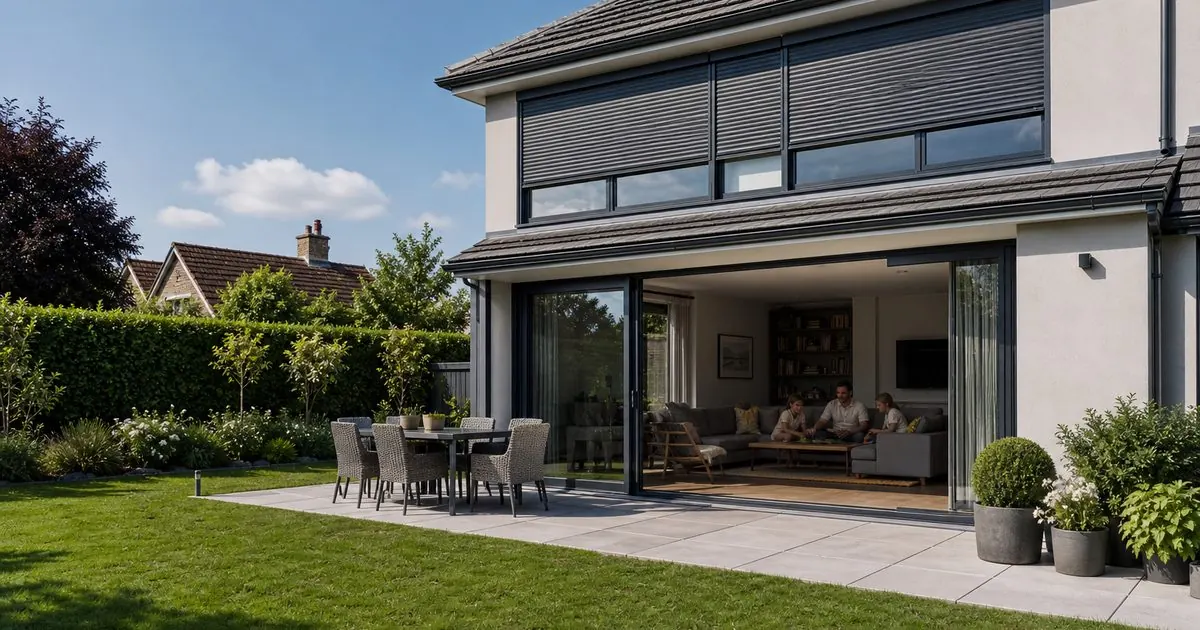
- The movement. A motorised blind dropping smoothly over a big glazed wall at the touch of a button.
- The homeowner. A customer explaining that their loft bedroom used to be unbearable in July and now is not.
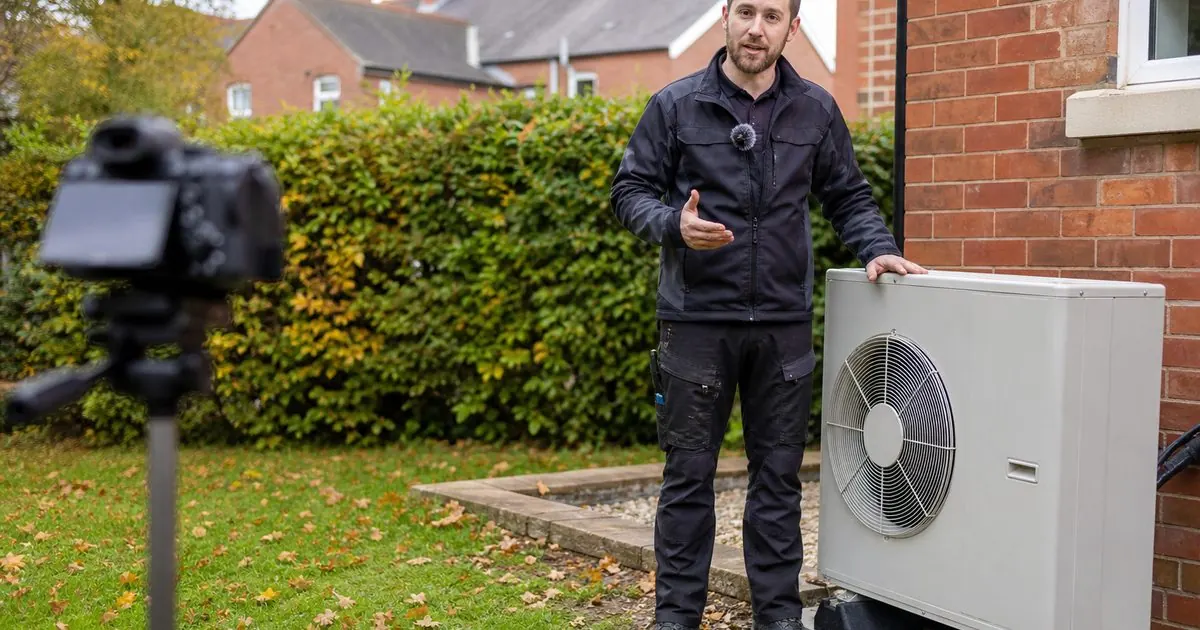
Target the people the research points to: homeowners in houses, ideally with large glazing, recent extensions or loft conversions. Our Facebook and Instagram ads team builds audiences around these signals and tests which videos actually stop people scrolling. The footage matters more than anything else, which is why our videography team films real installs rather than using stock.
Step 2: capture the searches people do make
People rarely search for "external blinds", but they search for the problem all the time. Build your search marketing around their words, not yours:
- "how to keep bedroom cool in summer"
- "loft conversion too hot"
- "bifold doors too hot in summer"
- "conservatory too hot"
- "stop sun glare home office"
- "roof lantern too hot"
Each of these deserves a page that explains the problem, compares the options honestly (fans, internal blinds, films, air conditioning, external shading) and shows why stopping the sun outside the glass works differently from blocking it inside. Then make the next step easy: a photo upload of the windows, a quick quote request or a booked visit.
On Google Ads, bid on these problem searches and a handful of product terms such as "external roller blinds", "exterior shutters" and "awning for patio doors", with strong negative keywords to keep out DIY and cheap gazebo searches.
Step 3: educate before you sell
Because buyers start from zero, they need more explanation than a usual home improvement buyer. Plan for it:
- A clear explainer page: what external blinds and shutters are, how they work, how they are fitted, what happens in wind and rain, and how they look on British houses.
- Answers to the objections the research highlights: people like their natural light, they worry about looks and what the neighbours think, and they doubt it is worth it for a few hot days a year.
- Dual benefits. The research found people are more willing to adopt measures seen as dual purpose. External shutters can add privacy and security as well as shade. Use those benefits outside summer.
- Remarketing. Show follow-up videos to people who watched the first one, with an installation story and a customer review.
Step 4: pick the buyers who are most ready
Some homeowners will get it straight away. Focus your sales effort on them:
- Homes with big south or west-facing glazing.
- New extensions with roof lanterns or bifolds.
- Loft conversions and top-floor bedrooms.
- People working from home in a sunny room.
- People with health conditions, who the research found were often strongly motivated to avoid the health effects of overheating.
Ask about these on your enquiry form so your sales team knows which story to tell.
Step 5: be honest about the season
External shading is a summer product sold in spring. Buyers who see a video during a heatwave often want it fitted that week, which is rarely possible for made-to-measure products. That timing problem deserves its own plan, covered in heatwave campaigns for external blinds. For this article, the key point is that demand creation has to start well before summer, so the buyers are ready when the weather arrives.
Why this is an opportunity
Low awareness means low competition. While most blinds businesses fight over "blinds near me", a firm that teaches its area what external shading can do has the field largely to itself. There is also growing official interest in overheating: Part O of the Building Regulations already sets overheating standards for new homes in England, though it does not apply to existing homes or extensions.
If you install external blinds or shutters and want to build demand in your area, book a free video call with Tom. We will check whether your area is open.
Sources
- DESNZ: Factors affecting the take-up of home cooling adaptations, research report (2026)
- GOV.UK: Approved Document O, overheating, frequently asked questions
Questions owners ask
What do UK homeowners search for instead of external blinds?
Mostly the problem, not the product: how to keep a bedroom cool, a conservatory or loft conversion that is too hot, bifold doors letting in too much heat, or how to stop sun glare on a home office screen. Build pages and ads around those problems, then introduce external shading as the answer.
Who is most likely to buy external blinds?
Government research published in 2026 found that owner-occupiers in detached or semi-detached houses were the most willing to adopt external cooling measures. In practice, look for homes with large south or west-facing glazing, loft conversions, new extensions with roof lights, and people working from home.