Here is the problem with selling roofing: the customer cannot see what you are selling. You come down the ladder, tell them the valley is failing and the felt has perished, and quote a few thousand pounds. They nod. Then they get another quote for half the price from someone who said the roof "just needs a few tiles", and they have no way of knowing who is right.
Pictures settle that argument. A clear photo report and a short video, sent with your quote, turn your survey from "trust me" into "see for yourself". The same footage then becomes your best advertising. This guide covers what to capture, how to present it and how to reuse it.
What to capture on every survey
Work to a shot list so nothing gets missed, whether you use a drone, a pole camera or a phone from the ladder and loft.
From outside:
- A wide shot of the whole roof from each side, so the customer recognises their house
- Close-ups of every defect, with something in the frame for scale
- Ridge and hip tiles, valleys, verges
- Chimney stack, pointing and flashing
- Flat roof surfaces, edges and outlets
- Gutters, fascias and downpipes
From inside the loft:
- Daylight showing through, if there is any
- The underlay condition (torn, sagging, brittle)
- Damp staining or rot on rafters and battens
- Insulation depth and ventilation at the eaves
Take more than you need. Date and time stamps help if the customer later needs evidence for an insurer.
Drone, pole camera or phone?
| Tool | Good for | Watch out for |
|---|---|---|
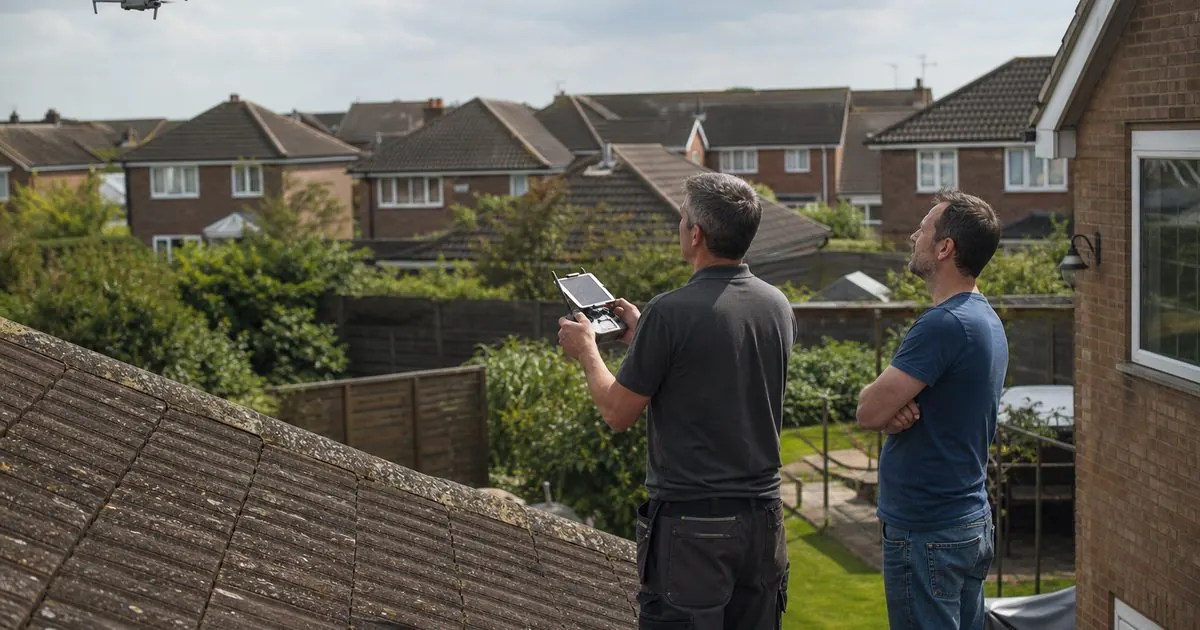
| Drone | Whole-roof views, chimneys, steep or high roofs, showing the customer live on a tablet | CAA rules, weather, neighbours, flying near people |
| Pole camera | Gutters, valleys and close-ups from the ground, fast and low fuss | Limited angles on larger roofs |
| Phone (ladder and loft) | Close detail and the loft, which no drone can see | Safety, and it shows less of the whole roof |
Most firms end up using all three. A drone gives the "wow" shot and the context. The loft photos often do the most persuading, because they show damage the customer can relate to.
Drone rules, briefly
The Civil Aviation Authority says anyone flying a drone of 100g or more needs a Flyer ID, and the operator needs an Operator ID if the drone has a camera. New class rules for drones placed on the market apply from 1 January 2026. Read the Drone Code, keep a safe distance from people and buildings that are not part of the job, and tell neighbours what you are doing. Point the camera at the roof you are surveying, not into gardens next door. Check the CAA website for the rules that apply to your specific drone and how you use it.
Turn photos into a report
A folder of 40 photos sent by WhatsApp does not win jobs. A short, structured report does. Keep it to a few pages:
- Summary. Three lines: the condition of the roof, the main problem and what you recommend.
- Findings. Each problem area with one or two marked-up photos (circle the issue, add an arrow) and a plain-English explanation. "The underlay has torn here, so rain blown under the tiles is reaching the timbers" is better than a technical term.
- What happens if it is left. Honest, not scary. "More slipped tiles and leaks over the next few winters" is fine. "Your roof could collapse" is not, unless it is true.
- Options. A repair option and a replacement option where both make sense, each with a price and what is included.
- About you. One paragraph, your guarantee, your credentials and two or three reviews.
Send it within 24 hours of the survey. The longer you leave it, the more likely a faster quote lands first.
Add a 60-second video walkthrough
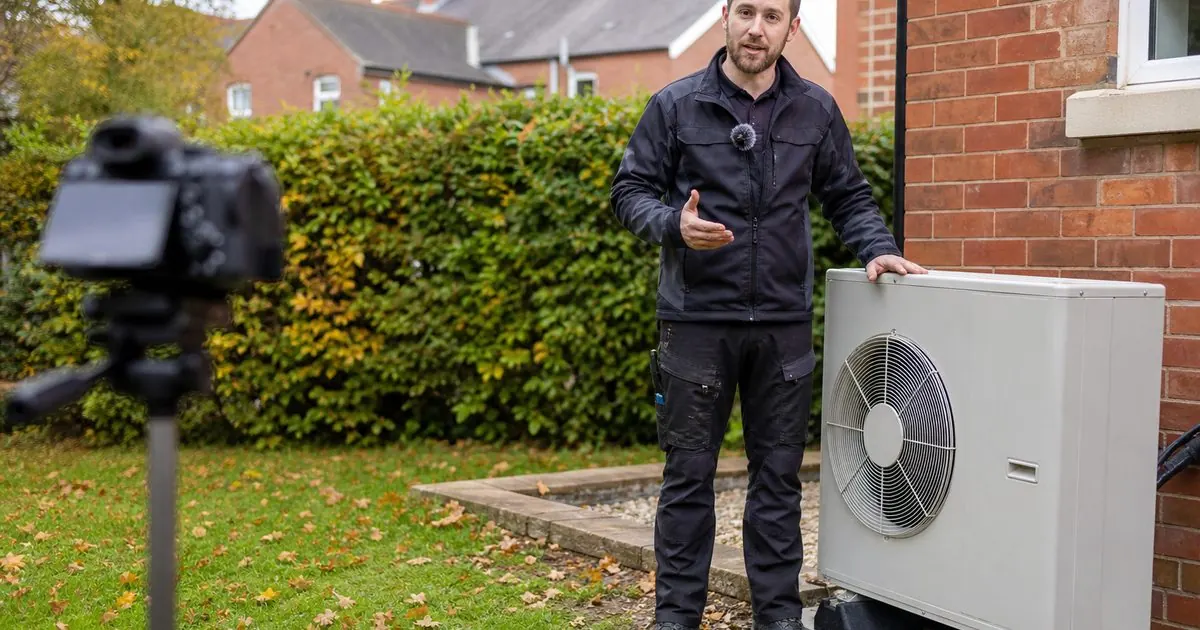
Record a short video, either from the drone footage with your voiceover or standing in front of the house with your phone:
- "Hi Sarah, it's Mark from the survey yesterday."
- Show the two or three main problems and explain each in a sentence.
- Say what you recommend and why.
- Say when you could start.
People watch videos they would never read. They forward them to whoever else is deciding. And it puts a calm, competent face on the quote, which matters in a trade where trust is low. Our piece on proving you are not a cowboy explains why that trust gap is so wide for roofers.
Use the footage in your ads
Every survey and every job produces content. With the homeowner's written permission, use it:
- Before and after reels. The stripped roof, the new membrane and battens, the finished slate or tile. Anyone scrolling can understand the change in two seconds.
- Time-lapse. A full re-roof in 20 seconds, from a fixed camera or repeated drone shots.
- Explainers. "What a failing valley looks like" with real footage, for Facebook and Instagram.
- Testimonials. The homeowner standing in front of the finished roof, saying what it was like.
Keep house numbers, car registrations and faces of anyone who has not agreed out of shot. Store the raw footage by job, so you can find the right clip for the right ad later. More on making testimonial and before-and-after video work is in our video testimonial guide.
Keep it honest
Photos and video are evidence. Use them that way.
- Never use a photo from a different roof.
- Never exaggerate a defect with angles or lighting.
- If the roof is in better shape than the customer feared, say so. That honesty is remembered, and it gets referrals.
Build it into your process
The roofers who get the most from this make it routine, not occasional:
- A shot list on the surveyor's phone.
- A report template that pulls in photos and adds the options.
- A rule: report and video sent within 24 hours.
- A follow-up sequence in the CRM if the customer goes quiet. See our quote follow-up plan.
- A shared folder of approved footage for the marketing team.
Where we fit
We help roofing firms turn their surveys and jobs into a steady supply of proof. We come to site and film a full shoot day each quarter, edit it into ads, and set up the report and follow-up flow so every quote goes out with photos and video. See our videography service, our Facebook and Instagram ads service and our roofing page.
If you want your quotes to show, not just tell, book a video call and we will talk you through it.
Sources
- Civil Aviation Authority: getting what you need to fly legally (Flyer ID and Operator ID)
- Planning Portal: Building Regulations for re-roofing
Questions owners ask
Do I need permission to fly a drone for roof surveys?
Under CAA rules, anyone flying a drone of 100g or more needs a Flyer ID, and the operator needs an Operator ID if it has a camera. Follow the Drone Code, keep away from people and respect neighbours' privacy. Check the CAA website for the rules that apply to your drone and how you use it.
What should a roofing photo report include?
A short summary, then each problem area with a marked-up photo and a plain explanation, then your recommended work with options and prices, and what happens if it is left. Add a 60-second video walkthrough. Send it within a day of the survey, while the homeowner still remembers your visit.