A homeowner planning a kitchen extension on a 1930s semi does not want to see your best work. They want to see their house, finished. The same shape, the same kind of street, ideally a few miles away. If your website shows them a gallery of 80 unlabelled photos of patios, loft stairs and somebody's bathroom, they will not find it, and they will not call.
Project pages fix this. Each finished job becomes a short, specific story, organised so that a buyer can find the one that looks like theirs.
Why the gallery does not work
Builders' galleries are usually built for the builder: a record of everything done, in the order it was done. Buyers use them differently. They are asking three questions:
- Have you built this type of project before? A side return is not a wraparound. A dormer is not a mansard.
- Have you worked near me? Local work means you know the council, the soil, the housing stock and the building control officers.
- What was it actually like? How long it took, what went wrong, how the client felt.
A photo with no caption answers none of these. A project page answers all three.
What goes on a project page
Keep a simple template and fill it in for every job you want to show:
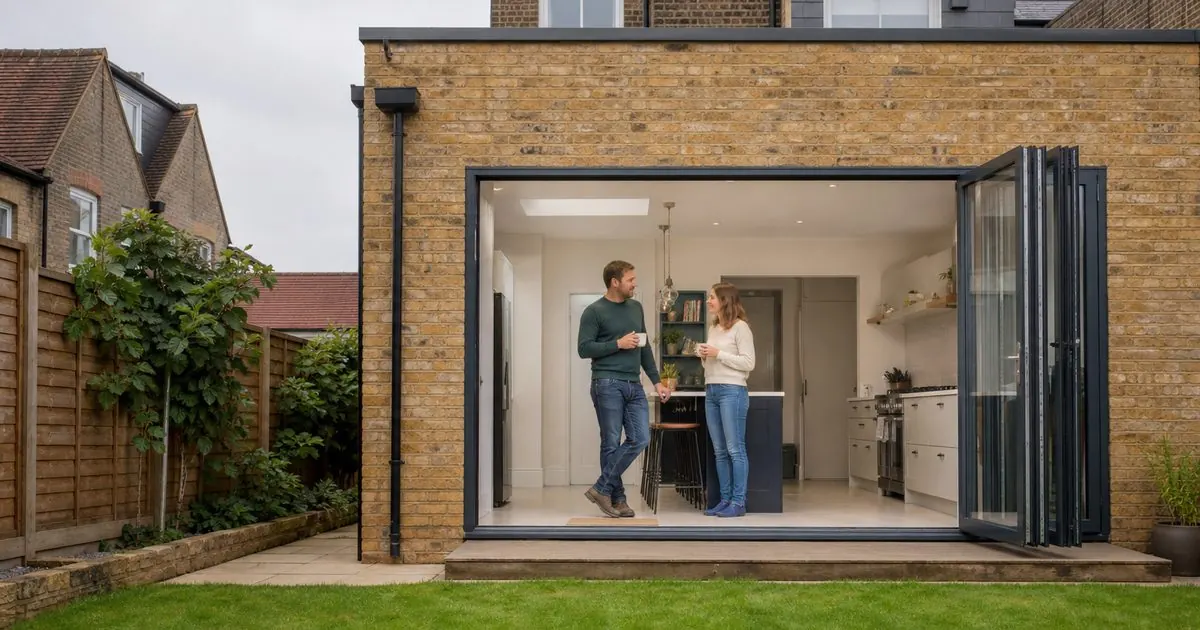
- A plain title. "Single-storey rear extension, 1930s semi, [town]".
- The brief in two sentences. What the family wanted and why.
- The key facts. Size, build time, planning route (full planning, prior approval or permitted development), and whether party wall notices were needed.
- Before, during and after photos. The during shots matter more than most builders think: steelwork, foundations, the roof going on. They show competence and a tidy site.
- One problem you solved. A drain run under the footings, a neighbour's party wall, a tricky roof junction. Buyers trust a builder who explains a difficulty more than one who claims everything went perfectly.
- The client's words. A short quote, a star rating and, best of all, a 30 to 60 second video walk-through with the homeowner.
- A next step. "Planning something similar? Tell us about your project" linking to your enquiry page.
If you are comfortable doing so, add a project value band. Not a price list, just a range. It quietly sets budget expectations and filters out the people who would never have gone ahead.
Organise by type first, then by area
Once you have a dozen project pages, group them two ways.
By project type. One hub page for each kind of work: rear extensions, side returns, wraparounds, two-storey extensions, dormer lofts, hip-to-gable lofts, mansards, garage conversions. Each hub explains the project in plain English and lists your finished jobs of that type. This is the page a buyer lands on from a search like "hip to gable loft conversion" and the one you send people to from ads.
By area. On each project page, name the town or district. On your area pages, list the jobs you have done there. A buyer in one town sees work two streets away. A search engine sees genuine local evidence.
Avoid thin town pages
There is a trap here. Many builders create 40 pages called "Extensions in [town]" with the same text and the town name swapped. Google's spam policies describe this as doorway pages: lots of similar pages built to rank for local searches that all lead to the same place. They tend not to rank, and they can drag down the rest of the site.
The rule is simple: only create an area page where you have real projects in that area to show. Our piece on town pages that rank without being doorway pages goes into the detail. Project pages are what give a town page its substance.
Video turns a project page into a sales tool
A photo shows the result. A video shows what it is like to live in it. Two short films are worth capturing on every good job:
- The walk-through. The homeowner walks from the old part of the house into the new space and says, in their own words, what changed. No script.
- The build in 60 seconds. Clips from each stage, from groundworks to handover, cut together.
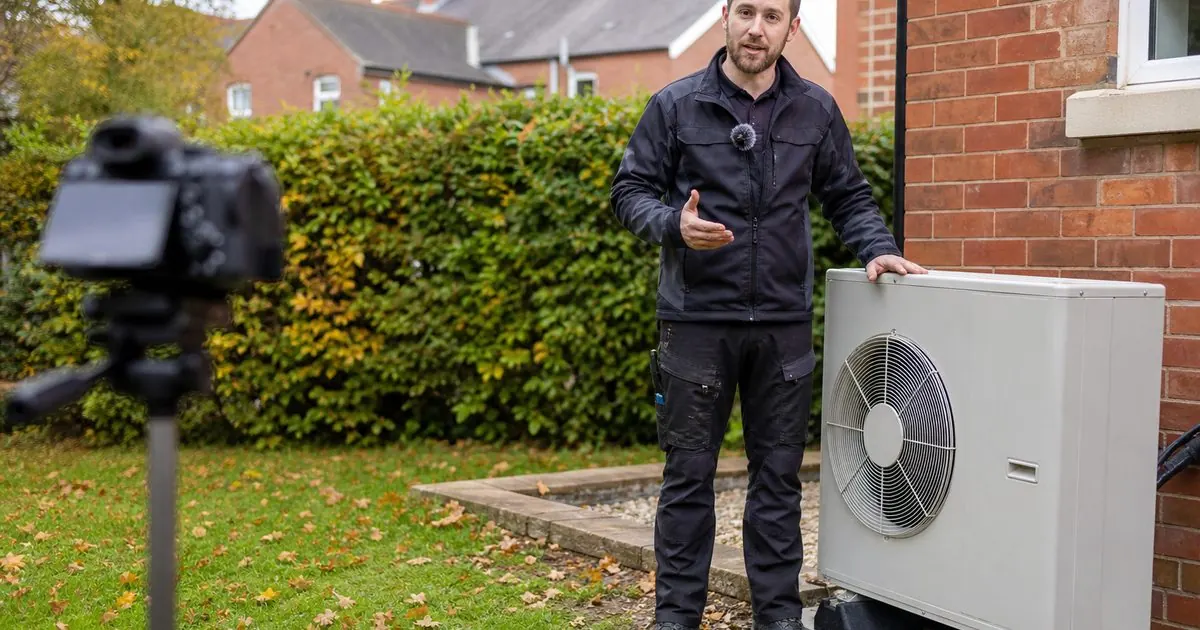
You do not need a film crew on site every week. Phone footage at each stage is enough for the build story. For the walk-throughs and ads, a planned shoot day works better. We come and film for clients once a quarter, capturing several finished jobs and homeowners in one day, which keeps a steady supply of fresh proof. More on that in our videography service.
Use the same pages in your ads and follow-up
Project pages are not just for search. They do work everywhere else:
- Ads. "A dormer loft in [town], built in 8 weeks" with a link to that page is far more convincing than a generic offer. It also lets you run different ads for different project types.
- Quotes. Send two similar project pages with every quote. It answers "have you done this before?" before it is asked.
- Planning letters. If you write to homeowners with newly approved plans, link to a page showing the same type of project nearby.
- Follow-up. When a lead goes quiet, a message with "here's one we finished last month, similar to yours" restarts more conversations than "just checking in".
Getting it done without it becoming a job
The reason most builders never do this is time. Make it part of the job, not an extra:
- Take the before photos at the survey, the during photos at each stage, and the after photos at handover. Put it on the job checklist.
- Ask for permission to publish and for a short review at handover, in writing.
- Write the page from a voice note. Five minutes in the van describing the job is enough for someone else to turn into a page.
A website built around project pages is a very different thing from a brochure site. If you want one for your extension business or loft conversion company, our website design team builds them with the enquiry form and tracking in place.
Want to see how your current site compares? Book a free video call with Tom and we will walk through it with you.
Sources
- Google Search Central: spam policies for Google web search (doorway abuse)
- Planning Portal: extensions, planning permission
Questions owners ask
How many project pages does a builder need?
Start with one strong page for each type of job you want more of, then add a new page every time you finish a job worth showing. Ten detailed project pages beat a hundred photos in a gallery. Quality and detail matter more than volume.
Should I show the address of a finished extension?
Show the town or area, not the house number or street. It proves you work locally without exposing your client. Always get written permission before publishing photos of someone's home, and blur anything that identifies the property, such as door numbers or car registrations.