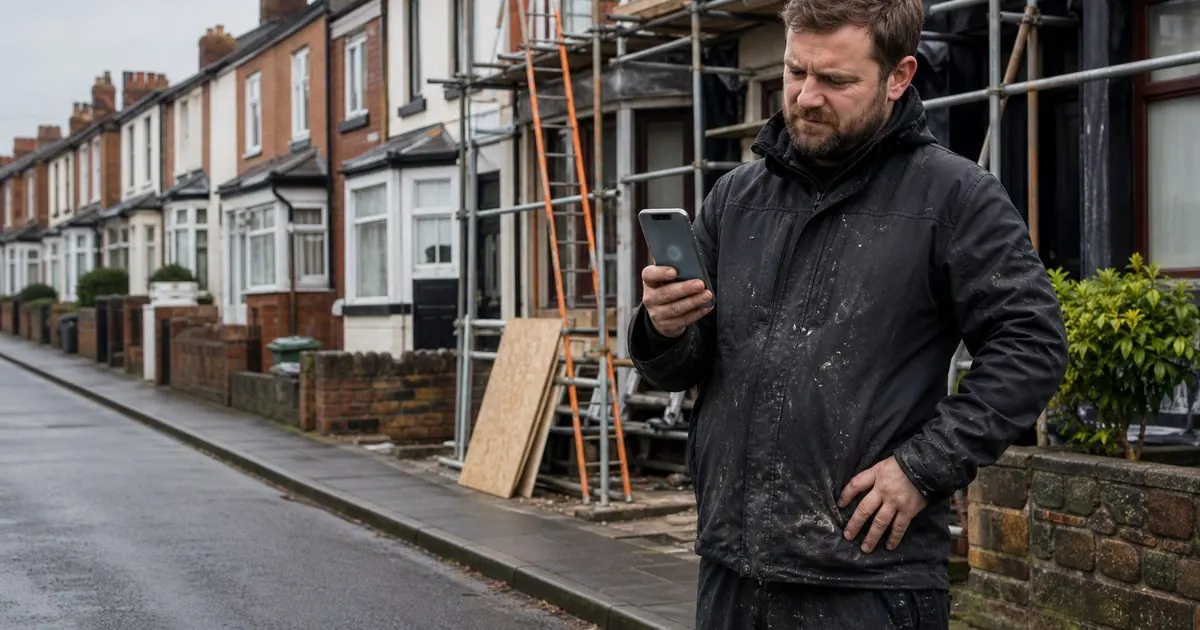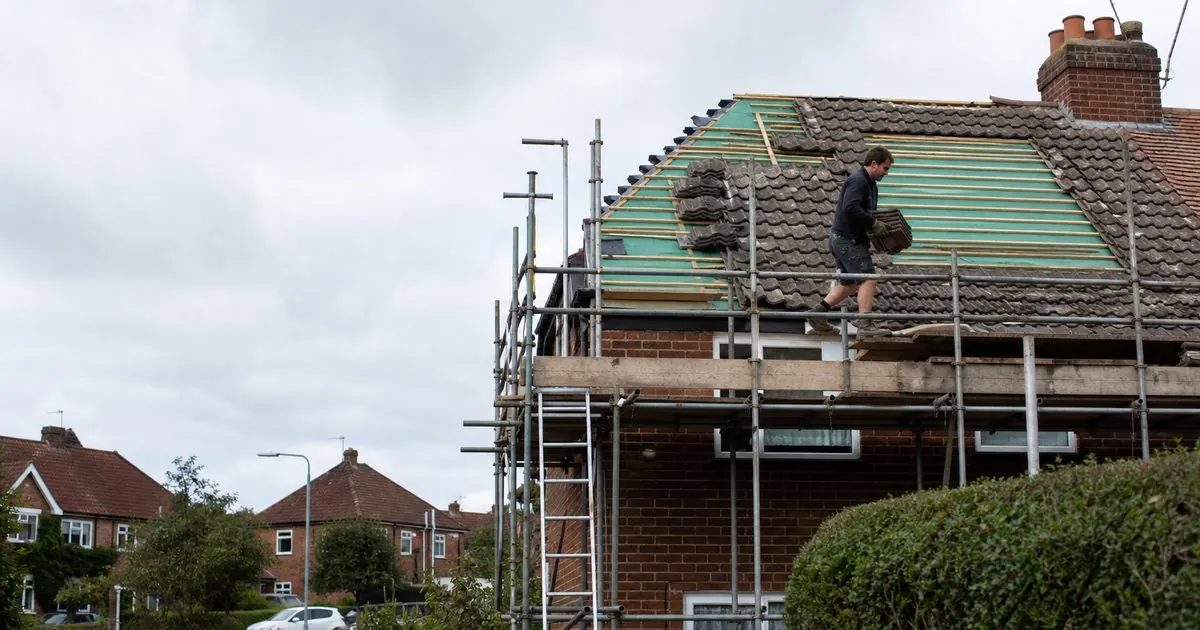
You turn the ads on hoping for full re-roofs. What comes in is a slipped tile in Bolton, a gutter that needs clearing, moss on a garage and someone who wants a quote for "a bit of lead". By the time you have driven to three of them, the week is gone and the big jobs are still not in the diary.
This is one of the most common complaints from roofing firms who try paid advertising. It is not that ads do not work for roofing. It is that a general roofing ad catches the most common problems, and the most common problems are small.
Decide what you actually want
Before changing any campaign, put your work into tiers. Something like:
| Tier | Typical jobs | What you want to do with it |
|---|---|---|
| Small | Slipped or broken tiles, leak finding, gutter repairs, minor flashing | Take selectively, batch on set days, use as a feeder |
| Medium | Flat roof replacement, chimney work, roofline replacement, dry ridge and verge | Take, with proper qualifying |
| Large | Full re-roofs, re-roofs with insulation upgrades, slate roofs, larger flat roofs | Chase actively, owner or senior surveyor attends |
Be honest about margins and travel. If a small job takes half a day including travel and pays little, it needs a minimum charge or a set repair day. If you have no interest in gutter clearing, say so on your site and stop paying for those clicks.
Why the ads drift small
Three things pull roofing campaigns towards small jobs:
- Search volume. Far more people search for "roof leak repair" and "roofer near me" than "re-roof cost". If your keywords are broad, the volume wins.
- Urgency. A leak gets a phone call today. A tired roof gets a quote "sometime this year".
- Generic creative. An ad saying "All roofing work undertaken" with a picture of a ladder attracts everything.
Split campaigns by job value
Google Ads. Build a campaign for each tier you want, with its own budget.
- Large: "new roof", "re-roof [town]", "roof replacement cost", "replace roof tiles whole roof", "slate roof replacement".
- Medium: "flat roof replacement", "EPDM roof", "GRP flat roof", "chimney repair".
- Small (if you want it at all): "roof repair [town]", "slipped tiles repair", with a lower budget and a landing page that states your minimum charge.
Add negatives that make sense for your business. Typical ones: "gutter cleaning", "DIY", "how to", "B&Q", "felt shed". Roofing campaigns also leak budget to job seekers searching "roofing jobs" or "roofer apprenticeship". Our guide on search terms wasting your Google Ads budget covers how to find and block those.
Put most of the budget behind the large tier. It will cost more per enquiry. That is fine, because the job is worth many times more.
Facebook and Instagram. Show the work you want. A full re-roof transformation, from the stripped roof to the finished slate, filmed on site or from a drone, attracts people thinking about a whole roof. A close-up of one slipped tile attracts people with one slipped tile.
Qualify on the landing page
Each tier needs its own landing page with questions that sort the jobs before you pick up the phone. For the large-job page:
- What is the main problem? (Leaks in several places, roof is old and failing, sagging, selling or buying the house, planning an extension or loft conversion)
- Roughly how old is the roof?
- What is it covered with? (Concrete tiles, clay tiles, slate, felt, other)
- What type of property is it, and how many storeys?
- Do you own the property?
- When would you like the work done?
- Have you had other quotes?
- Upload a photo of the roof from the street, if you can.
Answers like "selling the house, roof flagged by surveyor" or "roof 50 years old, leaks in two rooms" go straight to your senior surveyor. "One slipped tile above the porch" goes to the small-jobs process.
On the large-job page, explain the things that make a re-roof a serious project. The Planning Portal says re-roofing usually needs Building Regulations approval, and that re-covering a roof should include improving its insulation. Say that you handle the sign-off and the insulation upgrade. It reassures the buyer and quietly separates you from the cheapest quotes, which often skip both.
Route small jobs properly
You do not have to refuse small work. Just stop letting it run your week.
- Repair days. Batch small jobs into one or two set days, grouped by area.
- Minimum charge. State it on the small-jobs page so nobody is surprised.
- Photo-first triage. Ask for photos before you visit. Some jobs can be priced from a picture.
- Refer on. If you never want gutter clearing, keep a partner you can pass it to, and ask them to do the same for you.
Use small jobs as a feeder
The most valuable thing about a small repair on an old roof is that you have been up there. Every time you fix a slipped tile:
- Photograph the general condition: felt, battens, ridge, valleys.
- Write a short condition note: "Roof is around 50 years old. Underlay is breaking down in places. Expect more slipped tiles. Suggest budgeting for a re-roof in the next few years."
- Send it to the customer the same day with photos.
- Tag the job in your CRM as a future re-roof and follow up in the spring and before the next autumn.
Done honestly, this is not upselling. It is the information the homeowner would want, from the roofer who has actually looked.
Measure value, not volume
Stop judging campaigns by cost per lead. A cheap lead for a £150 repair is worse than an expensive lead for a full re-roof. Track, by campaign:
- Enquiries
- Surveys booked
- Quotes sent
- Jobs won
- Revenue
Then look at revenue per pound spent on each tier. That shows you where to move budget. Our piece on tracking every lead to a sale explains how to set this up.
Where we fit
We build roofing campaigns around the jobs you want: split Google and Facebook campaigns, landing pages that qualify by job type, and a CRM that routes each enquiry and follows up on the small ones that could become big ones. See our roofing page for how it fits together.
If your diary is full of small jobs and short on re-roofs, book a video call and we will show you how we would split it.
Sources
- Planning Portal: Building Regulations for re-roofing
- Planning Portal: Building Regulations for loft insulation (roof renovation over 25 per cent)
Questions owners ask
Why do my roofing ads bring in mostly small repair jobs?
Because small, urgent problems create far more searches than planned re-roofs, and a general roofing ad catches all of them. Unless your campaigns, keywords, ad images and landing pages are split by job type, the cheapest and most urgent jobs will fill your enquiry list.
Should a roofing company turn down small repair jobs?
Not always. Small jobs can fill gaps and lead to bigger work, especially on older roofs. The answer is to price them properly, batch them into set repair days and record the roof's condition every time, so the repair becomes the start of a re-roof conversation rather than a one-off call-out.