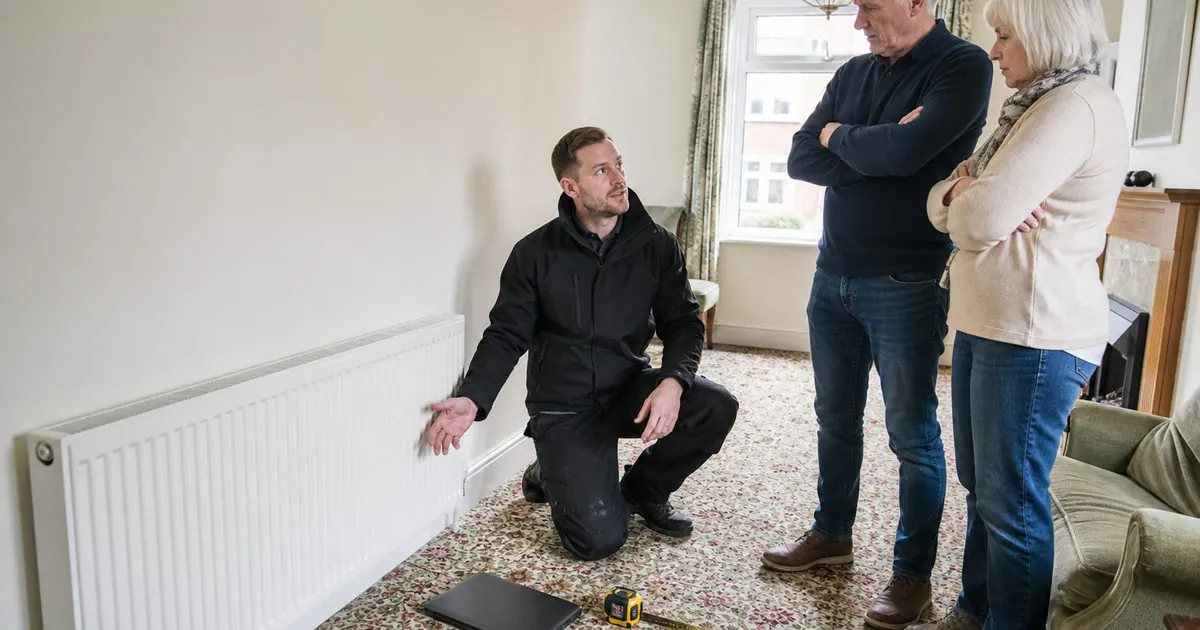
A wasted survey does not look expensive on the day. The surveyor drives out, has a cup of tea, realises the house is rented or the roof faces north, and drives home. A morning gone. But add up every one of those mornings across a year and it is often one of the biggest costs in a solar or heat pump business that nobody tracks.
This post is about measuring that cost properly and cutting it in the right place. The specific questions to ask heat pump leads, and a scoring model for them, are in pre-qualifying heat pump leads before you send a surveyor. Here we focus on what a wasted visit costs, how to find out why yours are happening, and how to fix the cause without strangling your lead flow.
What counts as a wasted survey
A wasted survey is any visit that never had a realistic chance of becoming a sale. It is not the same as a survey that did not sell. Good buyers sometimes say no. A wasted survey is one where you could have known beforehand:
- Cannot proceed: renter, flat with no roof rights, leasehold or listed building issues they had not mentioned.
- Technically unsuitable: heavily shaded or north-facing roof for solar, a heat pump with nowhere sensible for the unit, or a home needing major work first.
- Not the decision-maker: the person at the survey cannot decide, and the one who can was never involved.
- Price checker: they wanted a number to compare with a quote they already had or a figure they saw in an ad.
- Too early: genuinely interested, but 12 months or more away.
- No-show: nobody home.
What a wasted survey really costs
Most owners think of fuel and an hour or two. The real cost has four parts. Here is an illustrative calculation for a heat pump survey:
| Cost | How to work it out | Example |
|---|---|---|
| Surveyor time | Hours including travel × loaded hourly cost | 3 hours × £30 = £90 |
| Vehicle | Miles × cost per mile | 40 miles × £0.45 = £18 |
| Admin and design | Booking, prep, write-up, any design work | 1 hour × £25 = £25 |
| Lost opportunity | The sale that slot could have produced | See below |
The first three come to about £133. That alone matters if it happens 20 times a month: over £2,600.
The fourth is the big one. If your surveyors are fully booked, every wasted slot is one a real buyer could have had. Say a sat, qualified survey sells 35% of the time and a sale makes £3,000 gross profit. Each qualified survey slot is worth around £1,050 in expected gross profit. Give that slot to someone who could never buy, and you have spent the £133 and given up the £1,050.
If your surveyors have spare capacity, the lost opportunity is lower. But very few installers who are scaling have spare survey capacity for long.
There is a fifth cost that does not fit in a table: morale. Surveyors who spend half their week on pointless visits get cynical, and cynical surveyors sell less on the good visits too.
Step 1: Start a wasted survey log
You cannot fix what you have not categorised. For the next four weeks, after every survey that did not lead to a quote, have the surveyor pick one reason from the list above and add a line of notes. Also record where the lead came from and what they said on the form.
After a month you will have something like this (illustrative):
| Reason | Count | Lead sources |
|---|---|---|
| Cannot proceed (renter, flat) | 7 | Mostly one lead seller |
| Technically unsuitable | 5 | Spread evenly |
| Not the decision-maker | 4 | Own campaign |
| Price checker | 6 | Ads mentioning "grant" |
| Too early | 3 | Own campaign |
| No-show | 5 | Booked more than 10 days ahead |
Now you are not guessing. Each row points to a different fix.
Step 2: Fix each cause at the right point
Different causes need fixing at different points between the ad and the visit:
- Cannot proceed: fix it in the form. One home ownership question and one property type question remove most of these. If one lead source keeps sending them, take it up with the source or drop it.
- Technically unsuitable: fix it before booking with a remote check. For solar, satellite and street-level imagery plus a couple of roof photos from the homeowner cover most problems. For heat pumps, photos of the boiler, radiators and the outside space, plus the EPC where there is one.
- Not the decision-maker: fix it at booking. Ask "Who else will be involved in the decision?" and offer a time when both can be there.
- Price checker: fix it in the ad and the first reply. Avoid hooks that suggest something is free. Give a realistic price range before the visit, with any grant shown the way it will appear on the quote.
- Too early: do not survey yet. Put them into a nurture sequence with a trigger date and survey when they are closer. See how to manage long heat pump sales cycles.
- No-show: fix it with shorter booking lead times, confirmation and reminders. See fixing no-shows before the visit.
Step 3: Don't over-correct
The danger once you see the waste is to qualify everyone out. Every extra question, every "we need photos before we book", loses some good buyers along with the bad ones. Do the sums both ways.
Illustrative example: you add a question that cuts wasted surveys by 8 a month, saving roughly £1,000 in direct costs and freeing slots. But it also puts off some genuine buyers at the form, and if that costs you 2 sales a month at £3,000 gross profit each, you are £5,000 worse off. Track both sides for a few weeks after any change: wasted surveys saved and good leads lost.
A few principles help:
- Ask the questions that rule people out completely (ownership, property type) on the form.
- Ask the ones that need conversation (budget, timing, decision-makers) in the first reply.
- Leave detailed technical questions to the remote check or the visit itself.
- Keep the first step easy and the later steps thorough.
Step 4: Let the first reply do the qualifying
The most efficient place to qualify is the first conversation, straight after the enquiry, when the homeowner is still engaged. A good first reply can confirm ownership, ask about the property and bills, request a couple of photos, check who else is involved and book the survey, all in a few minutes on WhatsApp or by phone.
That is what our AI appointment booking does for installers. It replies within seconds, day or night, asks the qualifying questions, handles common objections and books qualified leads into the right surveyor's diary by postcode. Leads that are too early go into follow-up instead of the diary. Eco Green Energy Group, who install solar, batteries and air source heat pumps, close 5 in 10 booked appointments, and that kind of rate depends on surveyors visiting people who can genuinely go ahead.
What to measure every month
- Wasted survey rate: wasted surveys ÷ surveys sat.
- Cost of waste: wasted surveys × your direct cost per survey.
- Wasted surveys by lead source and by ad.
- Lead to booked survey rate, so you notice if qualifying gets too tight.
- Close rate on sat surveys, which should rise as waste falls.
Want to cut the wasted visits?
Book a free video call with Tom. Bring a rough count of last month's surveys and how many went nowhere, and we will help you put a number on the waste and show how the heat pump or solar and battery system qualifies leads before anyone gets in the van.
Questions owners ask
How much does a wasted survey cost an installer?
More than the fuel. Add the surveyor's paid time including travel, any design or admin time spent before and after, and the sale you could have made with that slot. For many solar and heat pump installers the true cost runs into hundreds of pounds per wasted visit once lost opportunity is counted. Work it out with your own numbers.
Can you qualify leads too hard?
Yes. Every extra question or hurdle loses some good buyers along with the poor ones. The aim is to remove the visits that can never go ahead, such as renters or unsuitable homes, not to filter out everyone who is still deciding. Track how many good jobs a new question costs you as well as how many wasted surveys it saves.