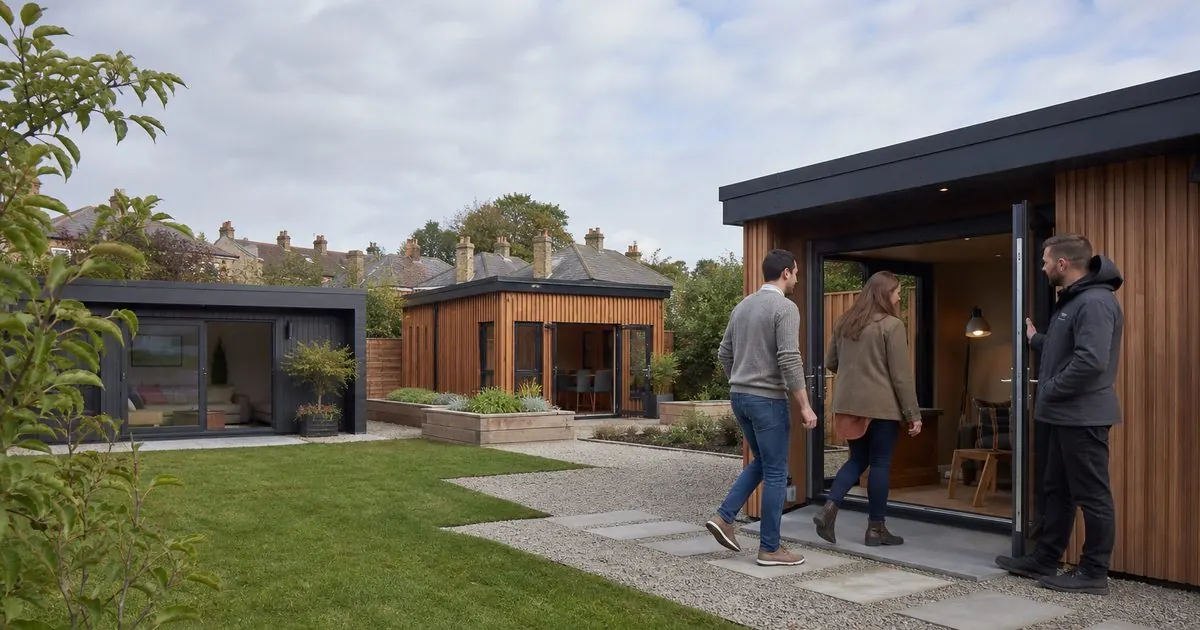
A garden room is a big purchase that most people have never made before. Photos help. Videos help more. But nothing closes the gap like standing inside one: feeling how warm it is, hearing how quiet it is with the doors shut, opening and closing the glazing, picturing their own desk in the corner.
If you have a show site, or a few finished rooms you can show, it is probably your strongest sales tool. The problem is getting people there. Online interest is easy to generate and hard to turn into someone driving out on a Saturday morning. This is how to make that happen.
Why the visit matters so much
Buyers worry about things they cannot judge from a screen:
- Build quality. Will it feel like a proper room or a nice shed?
- Comfort. Will it be cold in winter and hot in summer?
- Size. Is 3 by 4 metres big enough for a desk and a sofa?
- The company. Are these people real and will they still be around in five years?
A visit answers all four in twenty minutes. That is why someone who has stood inside your room is usually the warmest lead you will get.
Make the visit the main offer
Most garden room ads push a brochure, a quote or a configurator. If you have a show site, the visit should be the main call to action:
- In the ads. "Come and sit in one. Book a 30-minute visit to our show site in [town]." Show the site, the rooms, the person who will meet them.
- On the website. A booking page with real time slots, not "call to arrange". Saturdays and weekday evenings go first, so offer plenty.
- In follow-up. Everyone who downloads a brochure or uses your price builder should get an invitation to visit, with a booking link.
Target ads around the show site by drive time, not just by county. Test the radius: plenty of buyers will drive a fair distance for a purchase this size, but very few will drive two hours.
Booking that works without phone tag
Every step between "I'm interested" and "I'm booked" loses people. The best setup lets them pick a slot straight away:
- They click the ad or link and choose a date and time.
- They answer three or four quick questions: what the room is for, rough size, budget band and timescale.
- They get an instant confirmation by WhatsApp or text, with the address, a map pin, parking details and the name of the person meeting them.
If they enquire by form or chat instead, an AI appointment booking assistant can offer slots in the conversation and book them into your diary, day or night. Nobody has to call them back on Monday.
Cutting no-shows
Booked visits that never turn up waste a Saturday. A few simple steps cut the rate:
- A reminder the day before with the time, address and a "reply to move it" option.
- A reminder two hours before, short and friendly.
- A personal touch: "Hi James, it's Emma, I'll be at the show site to meet you tomorrow at 11. Any questions before then?"
- Easy rescheduling. People who can move a slot in one tap do that instead of not turning up.
The general method is covered in no-shows and one-person appointments. For garden rooms, the extra trick is to ask both decision-makers to come. A visit with one partner often ends with "I need to bring my wife back to see it."
What happens on site
The visit is not a tour. It is the first half of the sale.
- Know who is coming. Whoever meets them should have read the booking answers.
- Let them use the room. Doors closed, heater on or air con running, a laptop on the desk. Let them sit down.
- Talk about their garden. Ask for photos of the space on their phone. Sketch the size and position.
- Explain the all-in price. Base, electrics, installation, what could add cost. Hand over a clear price range for the room they like.
- Book the next step there and then. A site survey at their home, with a date in the diary before they leave.
Record the visit outcome in your CRM the same day: survey booked, thinking about it, not a fit. That lets you see how many visits turn into surveys and orders, and which ads brought the visitors who bought.
For buyers who cannot travel
Not everyone can get to the show site. Give them the next best thing:
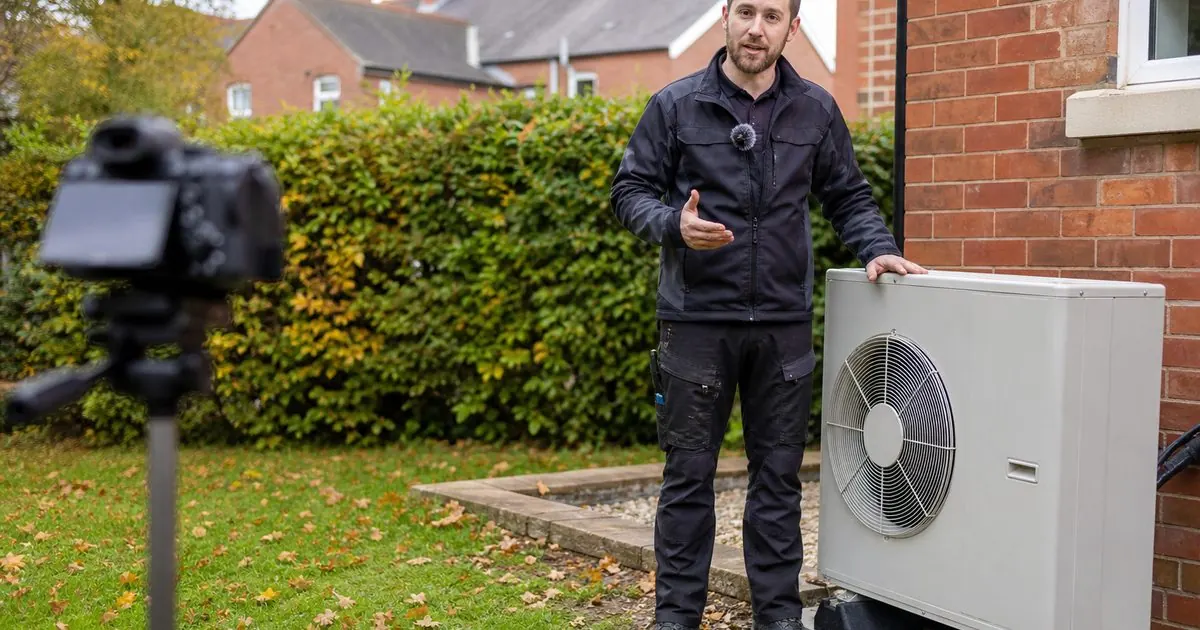
- A video tour of each room, filmed properly, with someone walking through, opening the doors and talking about what they would see in person. Shot and edited well, it does a lot of the work a visit would. Our videography team films these on site.
- A live video call from inside the room. A salesperson walking a buyer round on a phone is surprisingly effective.
- Customer rooms. Some happy customers are willing to show their room to a prospective buyer nearby, often in return for a small thank-you. With their permission, it is the most convincing visit of all.
Open days for the undecided
Open days work alongside booked visits for the people who are not ready to commit to a slot. Run them a few times a year in spring and early summer, give them a reason (a new model, a finance offer, an expert on hand to answer planning questions), and push them with ads around the site in the two weeks before.
Collect details from everyone who comes and follow up within 48 hours. An open day without follow-up is a nice day out for your visitors and not much else.
The numbers that tell you it is working
Track these each month:
- Cost per booked visit.
- Show rate (visits attended divided by visits booked).
- Visit to survey rate.
- Survey to order rate.
If cost per visit is fine but the show rate is low, fix reminders. If visits are good but surveys are low, look at what happens on site.
If you run a garden room business with a show site that should be busier, book a free video call with Tom. We will look at how visits are booked today and check your area is open.
Questions owners ask
Should garden room show site visits be booked or walk-in?
Booked visits work better for most firms. You know who is coming, what they are interested in and can have the right person on site. Keep walk-ins welcome, but push booked slots in ads and on the website, and use open days for the drop-in crowd.
What if a buyer lives too far from the show site?
Offer a video tour and a live video call from inside the room, and if possible a visit to a finished customer's room closer to them, with the customer's permission. Many buyers will travel for a large purchase if the visit is easy to book and clearly worth the trip.