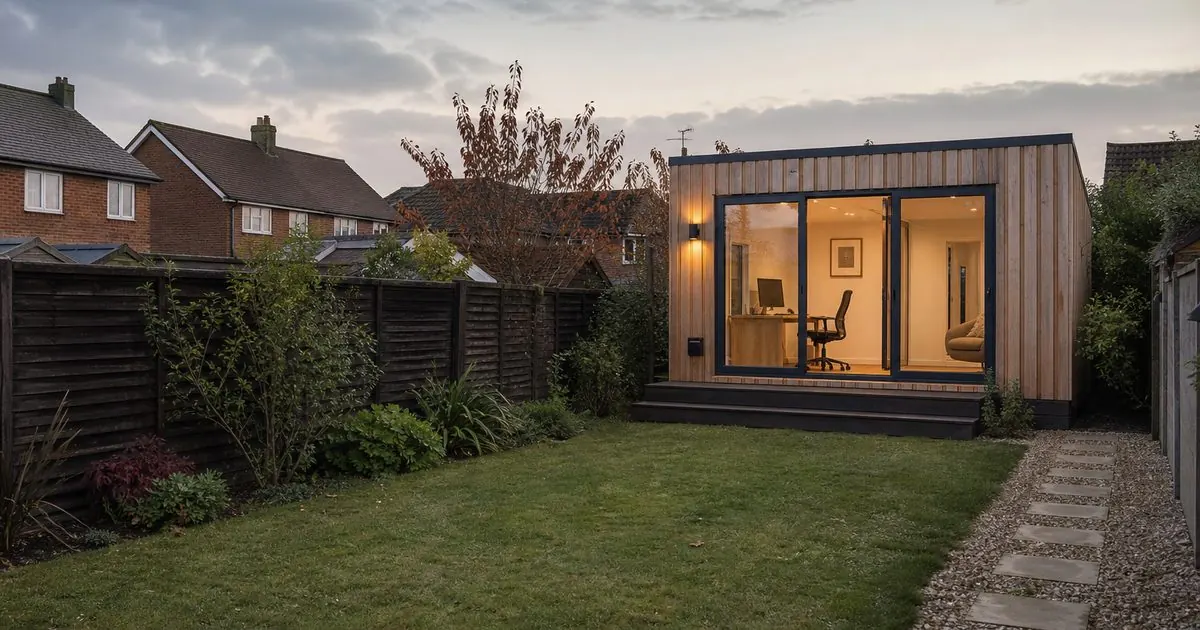
Garden rooms are made for Facebook and Instagram. A glowing timber cabin at the bottom of a garden, a desk looking out over the lawn, a glass of wine on the decking. People stop scrolling. They click. They fill in the form. Your cost per lead looks brilliant.
Then you ring them. Half do not answer. A third say they were "just looking". A few have a garden the size of a car park space. One or two are real buyers, and they were mixed in with everyone else.
This is not bad luck. It is what happens when a dream product meets a platform built for daydreaming. The answer is to design the whole system, from ad to first message, to sort the dreamers from the buyers.
Why garden rooms attract so many dreamers
Most home improvement products solve a problem: a boiler has broken, the roof leaks, the windows are draughty. A garden room solves a want. Almost everyone would like one. Far fewer have the space, the money and the reason to buy one this year.
On top of that:
- The price is high and often unknown. Many people imagine something closer to a posh shed than a fully insulated, wired building.
- The decision is easy to put off. Nothing breaks if they wait another year.
- Facebook rewards the easy click. If you optimise for leads, the algorithm finds the people most likely to fill in a form, not the people most likely to buy.
So the job is not to get more leads. It is to make the ad, form and follow-up do the filtering before your sales team spends an hour on the phone.
Filter in the ad itself
The ad is your first chance to repel the wrong people politely.
- Show a real price. A typical project range or a "fully installed from" figure, including the base and electrics. Dreamers drop off. Buyers appreciate the honesty.
- Show the real use. A home office with someone on a video call, a gym, a teenager's den. Specific uses attract people with a specific need.
- Show the work, not just the result. A short clip of the base going in and the cable being trenched tells people this is a building project, not a flat-pack purchase.
- Name the area you cover. It saves you leads from 200 miles away.
Ask the questions only a buyer can answer
Your form, whether a Facebook lead form or a landing page, should ask questions that a serious buyer has already thought about. For garden rooms, these work well:
- What will you use it for? Office, gym, studio, playroom, annexe for a relative. If they pick "annexe" with sleeping, flag it, because planning and building regulations change.
- Roughly what size are you thinking? Small, medium or large, with dimensions next to each.
- How do we get to the garden? Side access wider than about a metre, access through the house, or rear access. It affects price and is something only an owner who has pictured it will know.
- Is the ground flat or sloping?
- What budget have you set aside? Bands that match your real prices.
- When would you like it installed?
- Is your home listed, or in a conservation area or National Park? This one changes the planning picture.
Then add one step that takes a little effort: "Send us a photo of where it would go." Serious buyers will happily do it. Dreamers rarely will. A photo also tells your designer half of what they need for a quote.
Reply in minutes, by WhatsApp
Garden room buyers are often browsing in the evening on a phone. Ring them at 10am the next day and they have forgotten who you are. A WhatsApp message within a few minutes of the enquiry gets a far better response than a cold call.
Keep it human and give them something to reply to:
Hi Sarah, thanks for asking about a garden office. Could you send a photo of the spot you're thinking of? Then I can tell you what size would fit and give you a rough idea of cost.
Our WhatsApp AI does this day and night. It asks for the photo, answers common questions (planning, electrics, timescales), and books a design call or site visit straight into your diary. The general case for speed is covered in the 5-minute rule, and the wider picture of why Facebook leads go quiet is in why your Facebook leads don't answer the phone.
Score them, and treat dreamers differently
Not every dreamer is worthless. Some will buy next spring. Score leads on what they told you:
- Ready: budget in range, installation within six months, photo sent. Call today and book the visit.
- Warming up: right budget, longer timescale. Short call, send a project gallery and a price guide, set a follow-up date.
- Dreaming: no budget, no timescale. No sales call. Put them into an email or WhatsApp sequence with project stories and a seasonal offer.
That keeps your sales time on the ready group while the others stay in touch until they are ready.
Teach Facebook what a buyer looks like
This is the step most garden room companies miss. If you only tell Facebook when someone fills in a form, it keeps finding more form fillers. If you tell it which leads became site visits and which became orders, it starts finding more of those people.
Meta lets you send these stages back from your CRM through its Conversions API. It takes some setting up and a steady flow of data, but it changes who the ads reach. We explain the mechanics in teaching Meta which leads became jobs. The first requirement is a CRM where every lead's stage is actually updated, because that is the data Meta learns from.
The number to watch
Stop judging garden room ads on cost per lead. Watch cost per site visit and cost per order. A campaign with leads at twice the price can be far cheaper per sale if those leads are real buyers. The Facebook and Instagram ads we run for home improvement firms are reported that way, from the CRM, not the ads manager.
If your garden room business is drowning in leads that never answer, book a free video call with Tom. We will look at your ads and forms and check whether your area is open.
Sources
- Meta for Developers: Conversions API for CRM integration
- Planning Portal: outbuildings, planning permission
Questions owners ask
Should a garden room company show prices in Facebook ads?
A 'from' price or a typical project range in the ad is one of the strongest filters you have. It costs you some clicks, but the people who still enquire know roughly what they are getting into. Make sure the number is honest, including the base and electrics, or it backfires at quote stage.
Are Facebook lead forms or landing pages better for garden rooms?
Lead forms are quicker and cheaper per lead but bring in more casual browsers. A landing page with a few questions and photos brings fewer, better leads. For a purchase of this size, most companies do better with the landing page or a higher-intent lead form with qualifying questions.