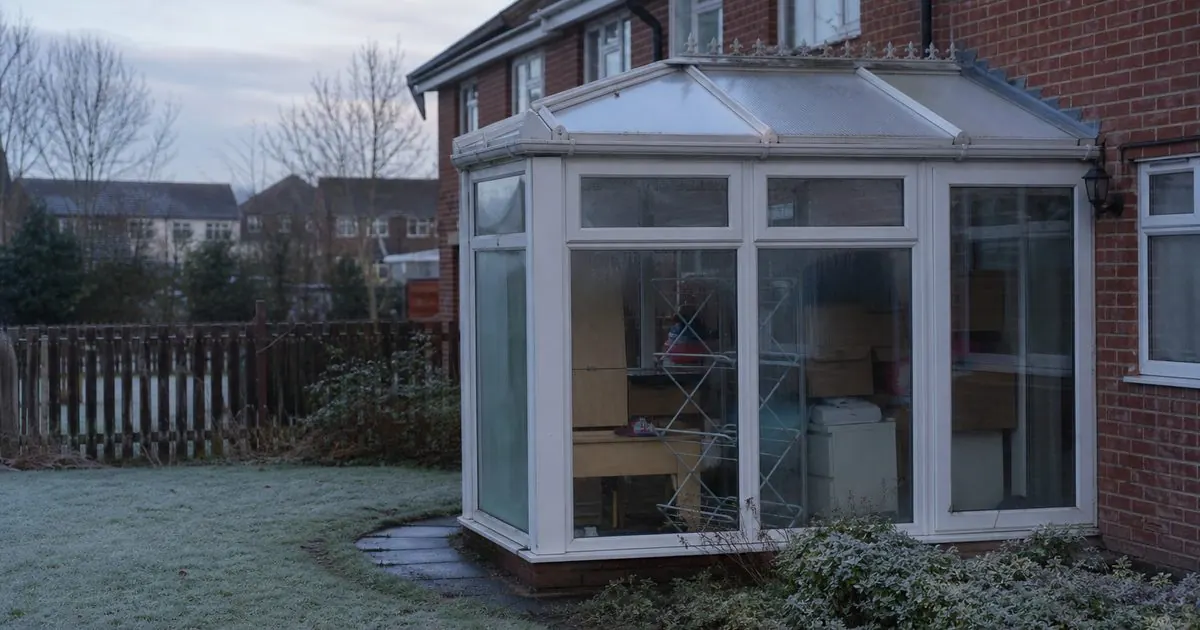
Walk down almost any street of 1990s and 2000s houses and you'll see them: white uPVC conservatories with polycarbonate or glass roofs, built when conservatories were the extension of choice. Many of them are now a storage room for most of the year. Too cold to sit in from November to March. Too hot to sit in on a sunny afternoon in July. Loud when it rains.
The owners know the room doesn't work. What many of them don't know is that the roof can be replaced without knocking the whole thing down. That is the marketing challenge for conservatory roof firms: you are not competing with another installer so much as with the owner's belief that nothing can be done, or that the only fix is a full extension they can't afford.
Understand the buyer before you advertise
The typical conservatory roof buyer:
- Has owned the house for years and built or inherited the conservatory a long time ago.
- Has a room they paid for but barely use.
- Has probably looked at a full extension and been put off by the cost, planning and disruption.
- May have tried quick fixes: blinds, a heater, insulation foil or a fan.
- Is not searching for "conservatory roof replacement". They are searching for their problem.
That last point shapes everything. Most of your future customers have never typed your main service into Google.
Search: catch the problem, not just the product
Build your Google Ads and website content around the problem searches, alongside the obvious product searches:
| What they type | What they need from you |
|---|---|
| "conservatory too cold in winter" | Why it happens, and the options from blinds to a new roof |
| "conservatory too hot in summer" | Same, from the summer side |
| "how to insulate a conservatory roof" | Honest comparison of internal insulation kits versus a replacement roof |
| "conservatory roof leaking" | Repair versus replace, and when a replacement makes more sense |
| "replace conservatory roof with tiles" | Your service, prices, process and rules |
| "conservatory roof replacement cost" | A realistic range from your own jobs |
Problem-led searches can be cheaper than product searches, because fewer installers tend to bid on them. The visitor is earlier in their thinking, so the landing page has to explain rather than sell. Keep your ad groups tight so each search lands on a page that answers that exact question.
Social: show the unused room
On Facebook and Instagram, your buyer isn't searching. They are scrolling, and you need to make them recognise their own conservatory. The creative that works best shows the problem they live with:
- The before. The conservatory full of boxes, a clothes airer and a coat rail. Condensation on the glass. A family in jumpers in the lounge while the conservatory sits empty.
- The after. The same room as a dining room, playroom or office, being used on a cold day.
- The roof going on. A timelapse of the old roof off and the new one on shows that this is a job measured in days, not months.
- A real customer. "We used to shut the door on it in October. Now it's where we eat every night."
Hooks that tend to land are questions the owner has asked themselves: "Is your conservatory a storage room for half the year?" or "When did you last sit in your conservatory in January?" These speak to the room, not to the person, so they stay clear of the ad platforms' rules on personal attributes.
A landing page that diagnoses first
Because many visitors don't yet know a roof replacement exists, the landing page should start with their problem and then offer the answer. A short quiz works well:
- What's the main problem with your conservatory? (Too cold, too hot, leaks, noisy in rain, glare, all of these.)
- What's the roof made of now? (Polycarbonate, glass, not sure.)
- Roughly how old is the conservatory?
- Roughly what size is it? (Small, medium, large, or measurements if they know.)
- What would you use the room for if it worked? (Dining, living, office, playroom.)
- When are you hoping to get it sorted?
Then show a recommendation (for example, a solid tiled roof with roof lights, or a high-performance glass roof for those who want to keep the light) along with a typical price range and a photo of a similar finished job. Ask for contact details to book a survey or send a fuller guide. If the buyer is still choosing between roof types, send them to a comparison like tiled, glass or solid?.
Handle the "but I'll need planning" fear early
A lot of owners stall because they assume a new roof means planning permission and months of paperwork. Answer this on the landing page and in your follow-up, honestly: in many cases planning isn't needed, but building regulations usually are for a solid roof. Explain what that means and who deals with it. Our guide on planning and building regs for conservatory roofs covers the detail.
Timing your campaigns
The pain is felt most in winter, when the room is cold and unused, and again on the first hot days of summer. Many firms only advertise in spring, which is when they want to fit, not when the buyer is feeling the problem. Run problem-led ads through autumn and winter to build a pipeline for spring installs, and keep in touch with those leads until the weather turns. The general approach to evening out busy and quiet seasons is in feast or famine.
Follow up for longer than you think
Conservatory roof buyers often take weeks or months. They talk it over, get a couple of quotes, and wait for a bonus or the end of winter. Keep in touch with useful content: a customer story, a short video of a finished room, a reminder of your next install dates. Don't let a lead go quiet after one call.
How we help
We run conservatory roof campaigns built around the unused-room problem, with problem-led Google campaigns, before-and-after video from real homes, quiz landing pages and follow-up that keeps going through the decision. Leads are exclusive to you, and we work with one conservatory roof firm per area. See our conservatory roofs page.
If you want to reach the owners who don't yet know a new roof is an option, book a video call and we'll check whether your area is open.
Sources
- Meta Transparency Centre: Privacy violations and personal attributes
- Planning Portal: Conservatories, building regulations
Questions owners ask
What do conservatory owners search for before they know about roof replacement?
They search the problem: conservatory too cold in winter, conservatory too hot in summer, how to insulate a conservatory roof, conservatory roof leaking, noisy conservatory roof in rain. Build Google campaigns and website pages around those phrases, then explain the roof replacement as one of the solutions.
Should conservatory roof ads mention price?
A typical range helps, because many owners assume a roof replacement costs as much as a new extension. Showing a realistic range for a typical size, with what's included, removes that fear and filters out people who were only looking for a cheap fix. Use figures from your own recent jobs.