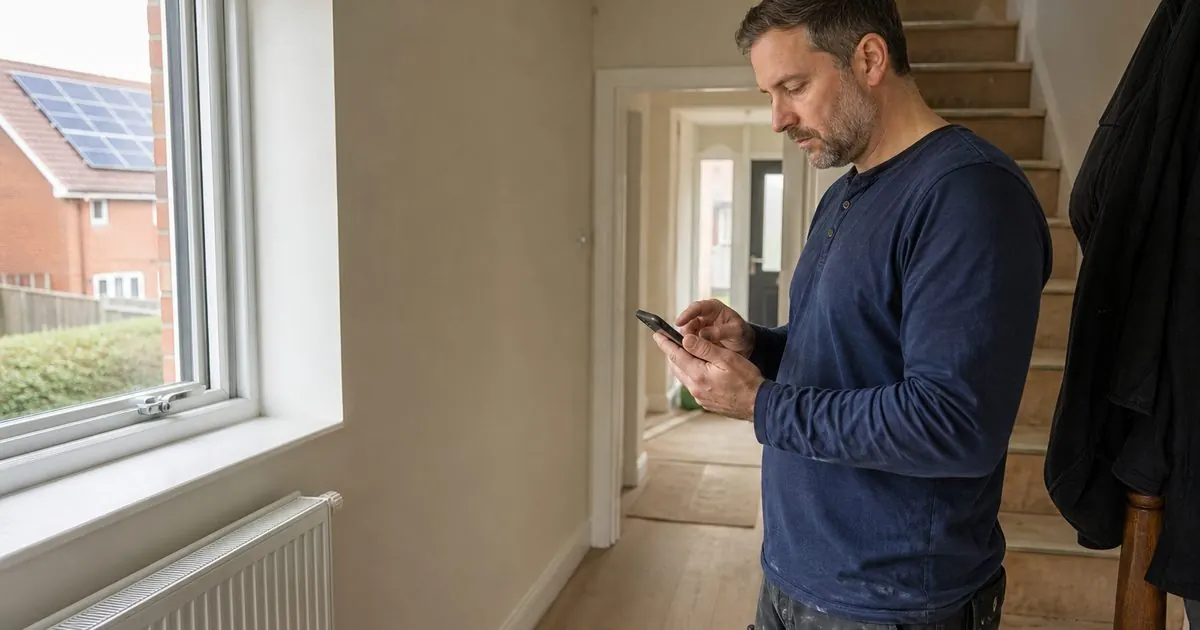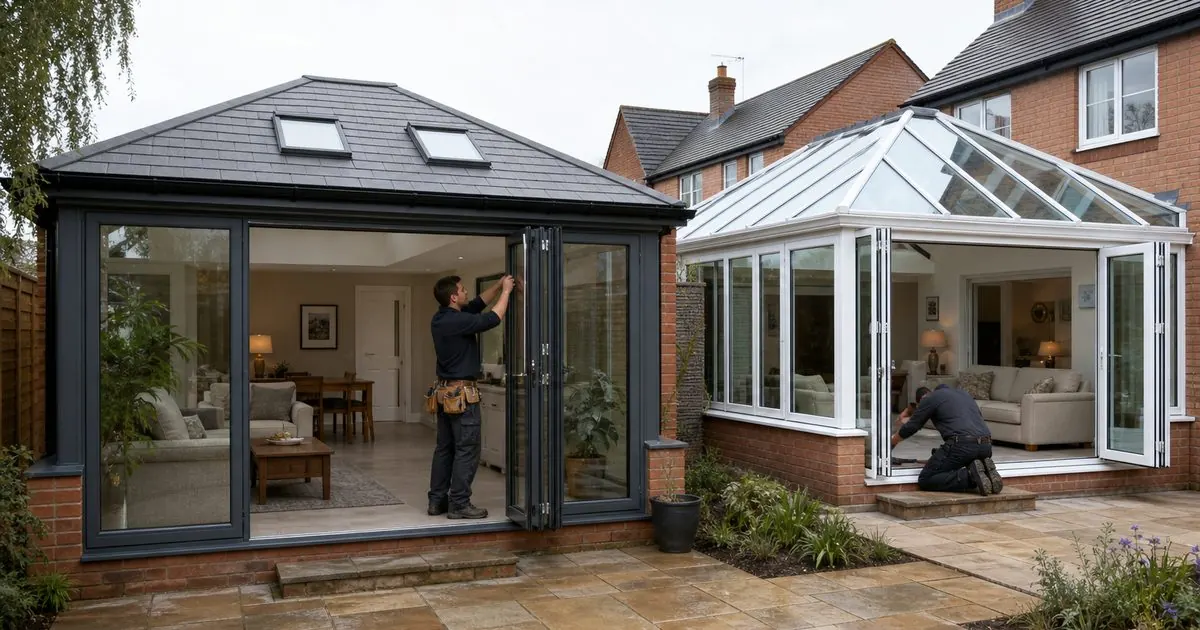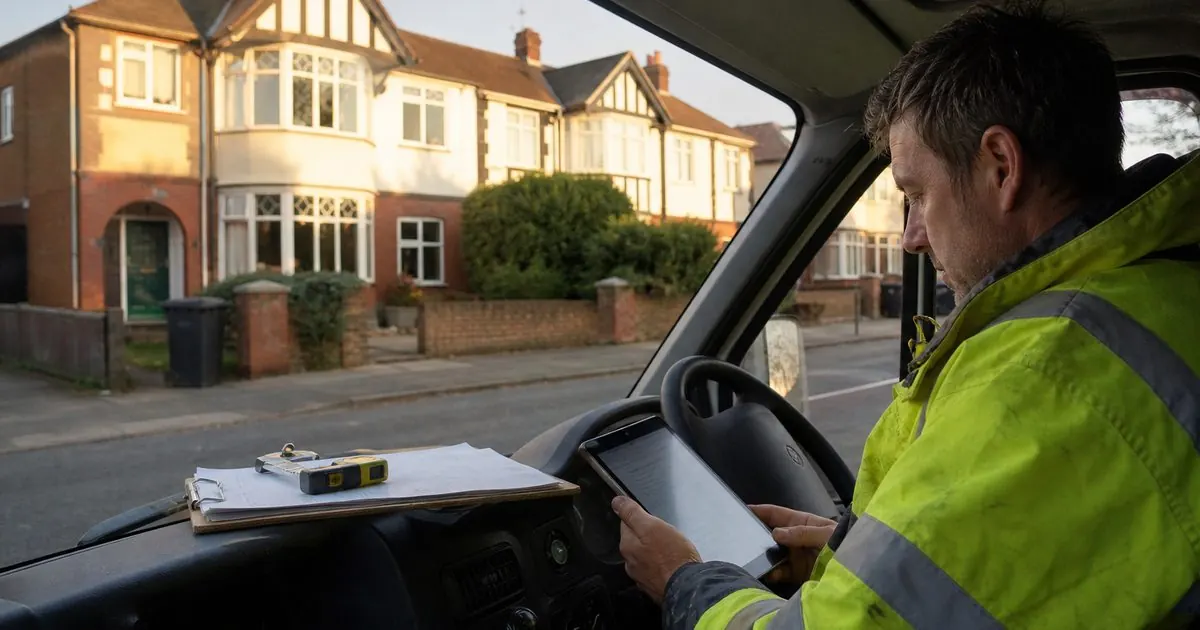
Every builder knows the visit. You drive forty minutes, walk round the back of the house, measure up, talk through ideas for an hour, go home and spend an evening writing a price. Then the homeowner tells you they were "just getting an idea" and might do it in a few years. On a busy week that is a day lost. Across a year it is weeks of unpaid work.
The fix is not to stop going out. It is to know, before you get in the van, which enquiries are real projects and which are daydreams.
Why extension and loft enquiries are so mixed
Extensions and loft conversions are big, emotional purchases. People browse them for months before they are ready, often while they decide whether to move house instead. A form fill from someone at the start of that thinking looks exactly the same in your inbox as one from someone with approved drawings and the money ready.
Three things make it worse in this trade:
- The budget gap. Many homeowners have no idea what a single-storey rear extension or a dormer costs in your area. They have seen a number online that was years out of date or from a cheaper region.
- Planning status is unknown. Some enquirers have nothing on paper. Some have drawings but no planning. Some have approval and are ready to tender. These are three completely different conversations.
- Not everyone can decide. Couples, parents helping with money, or a landlord who owns the freehold can all stall a project after you have priced it.
The questions that sort real projects from daydreams
Your enquiry form or landing page should ask a handful of questions that only someone with a real project can answer easily. Keep it short. Our general take on how many to ask is in How many qualifying questions is too many?. For extensions and lofts, these are the ones that do the work.
- What is the project? Rear extension, side return, wraparound, two-storey, dormer loft, hip-to-gable, mansard, garage conversion. The answer tells you who to send and what the job is worth.
- Where are you with plans and planning? No drawings yet / drawings done / planning submitted / planning approved / we think it is permitted development. This is the single best predictor of timing.
- When would you like work to start? Within 3 months / 3 to 6 months / 6 to 12 months / just exploring.
- What budget have you set aside? Use bands that make sense for your area, and say whether they include VAT and fees.
- Do you own the property, and is it a house? Flats and maisonettes do not get the same permitted development rights as houses, and leaseholders may need consent. As of November 2026, the Planning Portal guidance on extensions says the householder permitted development rules apply to houses, not flats or maisonettes.
- Who else is involved in the decision? A simple tick box: just me / me and my partner / family helping with funding.
Add a postcode so you can route the lead to the right estimator, and an optional photo upload of the back of the house or the loft hatch. People who are serious will upload one. People who are browsing usually will not.
Setting the budget straight before the visit
The most painful wasted visits are the ones where the homeowner was keen, the project was sensible, but the money was half what it needed to be. That gap usually comes out at quote stage, after you have done all the work.
You can surface it earlier by being honest about the costs that sit around the build itself. Homeowners often forget:
- VAT on the build, which can add a fifth to a price they thought was final.
- Design fees for an architect or architectural technician.
- Structural engineer calculations, which almost every extension and loft needs.
- Building control fees. A loft conversion into a liveable room always needs building regulations approval, according to the Planning Portal.
- Planning or certificate fees. Even a permitted development project may benefit from a Lawful Development Certificate to prove it is lawful.
- Party wall costs. On a semi or terrace, the Party Wall etc. Act 1996 explanatory booklet says notice must be served at least two months before work to a party wall, and at least one month before excavation near a neighbour. If the neighbour does not agree, surveyors get involved.
- The finish. Kitchens, flooring, bifolds and decorating are often left out of the number they have in their head.
Put a short "what your budget needs to cover" section on your landing page and repeat it in the confirmation message. You are not scaring buyers away. You are making sure the ones who book are ready for the real number.
Scoring and routing what comes in
Once you have the answers, score each enquiry so you know what to do with it the same day:
| Score | Looks like | What to do |
|---|---|---|
| Hot | Planning approved or permitted development, start within 6 months, budget in range | Call within minutes and book the visit |
| Warm | Drawings under way, 6 to 12 months, budget roughly right | Short phone call first, then decide on a visit |
| Cold | Just exploring, no drawings, budget well short | No visit yet. Send a guide and a check-in date |
Cold does not mean bin it. Someone exploring today may have approved plans next spring. Put them into a nurture sequence instead of your diary. Long build projects need long follow-up, and we cover that in Long buying cycles: staying front of mind for months.
A CRM does this sorting for you. In Installer Flow, our own CRM, the answers set the lead stage and the postcode routes it to the right person's diary, so nobody has to read every form and guess.
A paid design visit as the final filter
Some builders charge a design or feasibility fee for the first proper visit and credit it against the build. Done well, it does two things: it filters out price collectors, and it gets you paid for the expertise you were giving away. Done badly, it puts off good clients who have not been warmed up.
The order matters. Qualify first, then call, then offer the paid visit to warm and hot leads with a clear explanation of what they get (measured survey, design options, a budget estimate). The fee lands better when the homeowner has already had a useful conversation with you.
The same problem in garden design and landscaping
Landscapers see the same pattern in a different shape: a homeowner wants a full garden redesign with a patio, raised beds, lighting and a new path, and has set aside a fraction of what it costs. The plan is real. The budget is not.
The fix is the same. Ask for a budget band and a start window on the form, publish rough project ranges from your own past jobs, and offer a phased plan when the budget is short (patio and drainage this year, planting and lighting next). A phased plan turns a cold lead into a smaller first job and a second job already agreed in principle. If you run a driveway or landscaping business, our driveways and landscaping page shows how the funnel is set up for that trade.
What this looks like in practice
Put together, the system is simple:
- An ad or search result sends people to a page built for one project type, not your homepage.
- The page asks the six questions above, with a postcode and optional photo.
- Hot leads get an instant reply and a call. Warm leads get a call. Cold leads get a guide and a follow-up date.
- Only hot and warm leads reach your diary, routed to the right estimator.
This is what we build for extension builders and loft conversion companies, using a landing page that qualifies before anyone books.
If you are pricing jobs that never happen, we can look at your current enquiries and show you where the time is going. Book a free video call with Tom and we will check whether your area is open.
Sources
- Planning Portal: extensions, planning permission
- Planning Portal: is building regulations approval needed for a loft conversion?
- Planning Portal: Lawful Development Certificate
- GOV.UK: The Party Wall etc. Act 1996 explanatory booklet
Questions owners ask
Should builders charge for the first site visit?
Some do, usually by charging a design or feasibility fee that is credited against the build if the client goes ahead. It filters out people who only want a free price to compare. It works best once your enquiries are qualified, so the fee is a final filter, not the only one.
What budget question should an extension enquiry form ask?
Ask for a budget band, not an exact figure, and make the bands realistic for your area. Say clearly whether the bands include VAT and professional fees. A band that is far below what the project needs is not a reason to reject the lead, but it is a reason to call before you visit.